|

Swiss Franc leads G10 as ultimate safe haven – Commerzbank
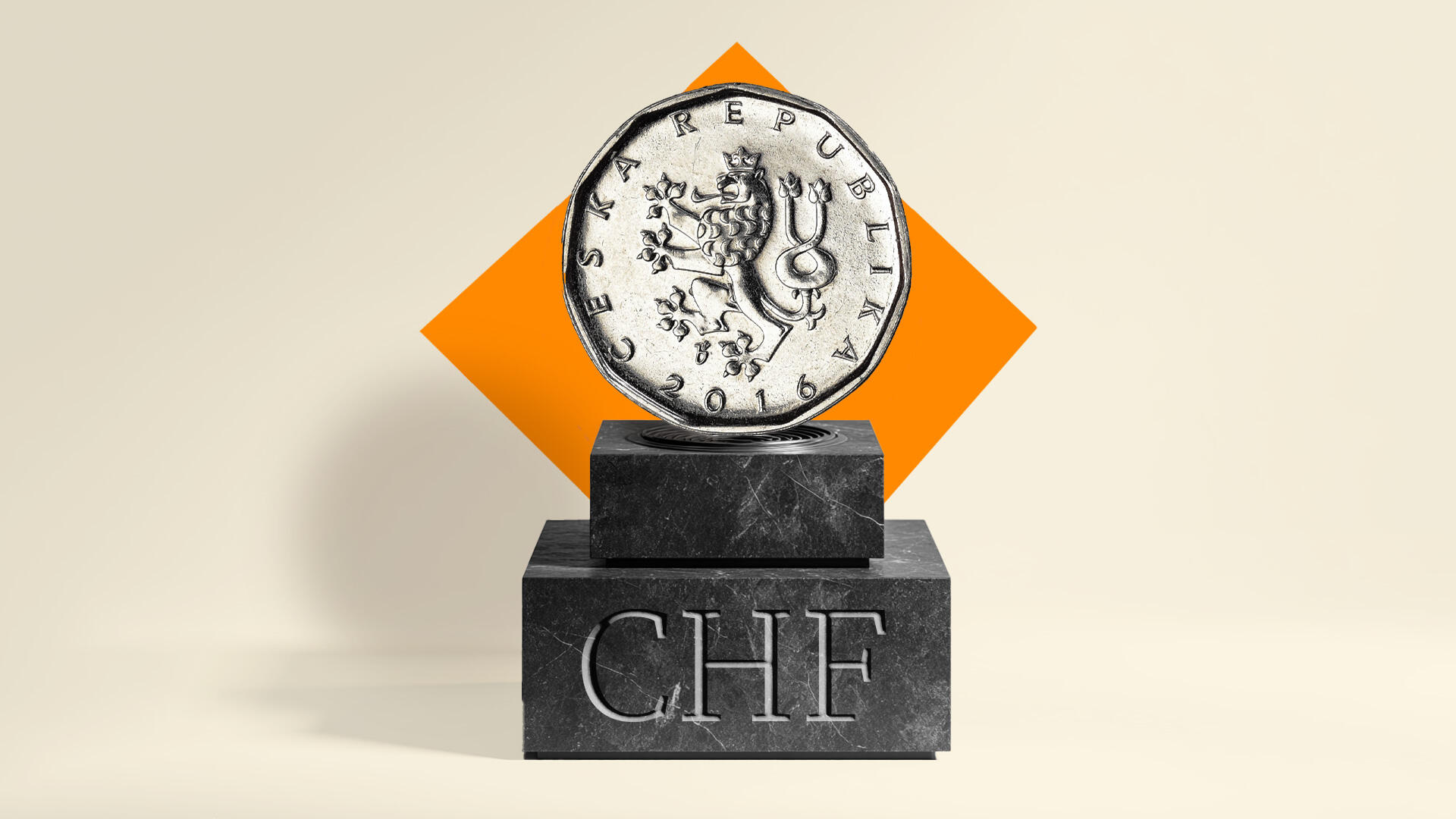
The Swiss Franc (CHF) outperformed all G10 peers, reaffirming its role as the preferred safe-haven currency amid renewed global uncertainty. Near-zero interest rates and limited scope for aggressive easing leave the CHF structurally well supported during periods of heightened risk aversion, Commerzbank's Head of FX and Commodity Research Thu Lan Nguyen notes.

CHF outperforms on rising risk aversion

"The Swiss franc emerged from yesterday's trading as the biggest winner among the G10 currencies. It is thus proving to be the ultimate safe haven in the current (renewed) uncertain times – at least among currencies. This is by no means surprising. We have often written about what constitutes a safe haven. One important characteristic – strange as it may sound – is low or zero interest rates."

"In uncertain times, when an economic slowdown is usually expected, central banks typically lower their interest rates. The higher the key interest rates in a country, the more scope there is for interest rate cuts and the greater the potential for the currency to weaken. If interest rates are close to, or as is currently the case in Switzerland, at zero, this potential is limited. This may be one reason why gold (and other precious metals), which yields no interest, is in such high demand."

"Of course, in the event of a crisis, the Swiss National Bank could lower its interest rates into negative territory – it has at least signaled its willingness to do so. But even in Switzerland, we now know that the limit is -0.75%. And as we know from experience with the minimum exchange rate, there is also a limit to fx interventions to weaken the currency. This means that the Swiss franc is likely to remain the most sought-after currency in times of increased risk aversion."

Author

FXStreet Insights Team

The FXStreet Insights Team is a group of journalists that handpicks selected market observations published by renowned experts. The content includes notes by commercial as well as additional insights by internal and external analysts.


More from FXStreet Insights Team
Share:

Editor's Picks

AUD/USD stabilizes near 0.7100 as the post-Fed USD rally pauses

AUD/USD consolidates the previous day's losses near 0.7100 in the Asian session on Thursday as the US Dollar pauses its hawkish Fed-inspired rally to its highest level since late July. However, RBA rate-hike bets and hopes for US-Iran diplomatic efforts lift risk sentiment and support the risk-sensitive Australian Dollar and the major.

USD/JPY reverses a dip below 156.00 as focus shifts to BoJ

USD/JPY is reversing a brief dip below 156.00 in the Asian session on Thursday, looking to snap a three-day winning streak to a nearly two-week top set the previous day. The US Dollar pauses following the post-Fed rally to seven-week highs, while a more hawkish repricing of the BoJ's policy normalization path supports the Japanese Yen. This keeps the pair's upside limited, with the focus now shifting to the BoJ policy decision due on Friday.

Gold bounces but not out of the woods yet

Gold is facing fresh sellers above $4,300 early Thursday, stalling its recovery from six-week lows of $4,235 reached soon after hawkish US Federal Reserve monetary policy announcements.

Bitcoin, crypto market see muted activity following FOMC rate hike

Bitcoin traded above $76,000 on Wednesday as the Federal Reserve raised its benchmark interest rate by 25 basis points, bringing the federal funds target range to 3.75%-4.00%. The unanimous 12-0 decision marked the Fed’s first rate hike since July 2023.

The Fed rate hike: What happens now?
The dust has settled on tonight’s Fed meeting and the market reaction is clear: the Fed’s signal that there could be a series of rate hikes has spooked financial markets. Bonds sold off at the short end of the Treasury curve and US stocks also fell, led by the Dow Jones Industrial Average, which slipped more than 1% on Wednesday night.
How Japan became the World's Banker and why that era may be ending

Japan's ultra-low interest rates helped finance trillions of dollars in global investments for more than a decade, making the Japanese Yen one of the world’s cheapest sources of funding. With the Bank of Japan expected to tighten policy again this week, that advantage may be entering a new phase. While most major economies raised interest rates, Japan remained the world's outlier.