Support.com (SPRT) / Greenidge Generation (GREE) Stock News and Forecast: Why is GREE falling?
- Support.com is no more as the ticker changed to GREE on Wednesday.
- GREE starts choppy trading with volatility high.
- GREE stock had an intraday high to low $60 to $39.30.


Support.com (SPRT) was a favourite of the retail and WallStreetBets community over much of 2021 as it seemed a tailormade pandemic stock. Support.com helped people with remote working applications in terms of software customer and technical solutions. Support.com traded under the ticker SPRT and had some wild rides during 2021.
SPRT stock news
Back in March, it popped from $2 to nearly $10 in the space of a few days before calming down again. This was when the proposed merger with Greenidge was first announced. The stock then went parabolic in late August with a move from $9 to $59.69 in a matter of a few days before sliding all the way back down again. Clearly it was a meme stock name with crazy volatility. The classic short squeeze element was a big feature of this one with Ihor Dusaniwsky tweeting on September 13 that the stock had reached over 70% short interest.
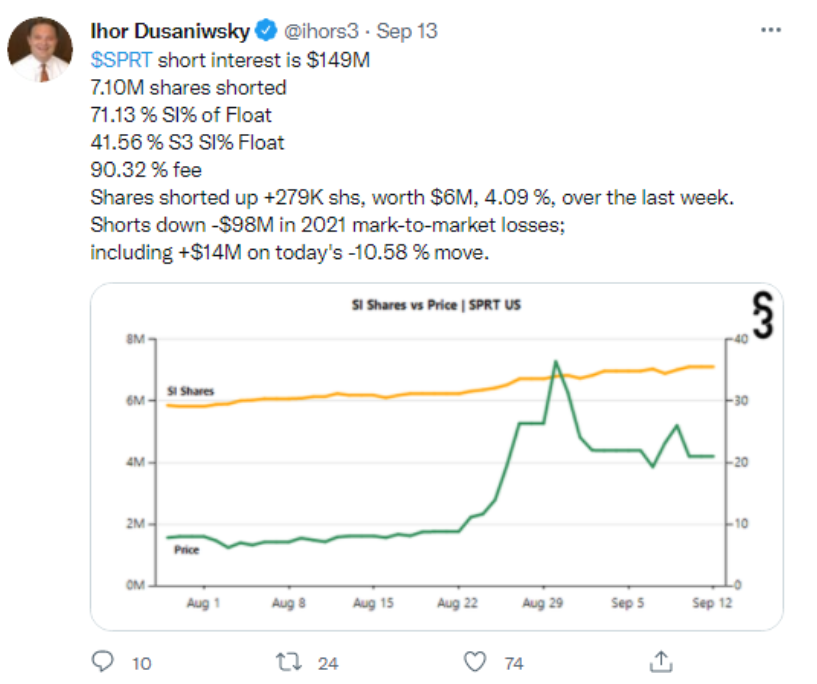
Retail traders love a good short squeeze and it would appear this was one of the main reasons for the interest in the stock on social media. However the merger results in SPRT shareholders receiving a much smaller allotment of shares in GREE.
GREE stock news
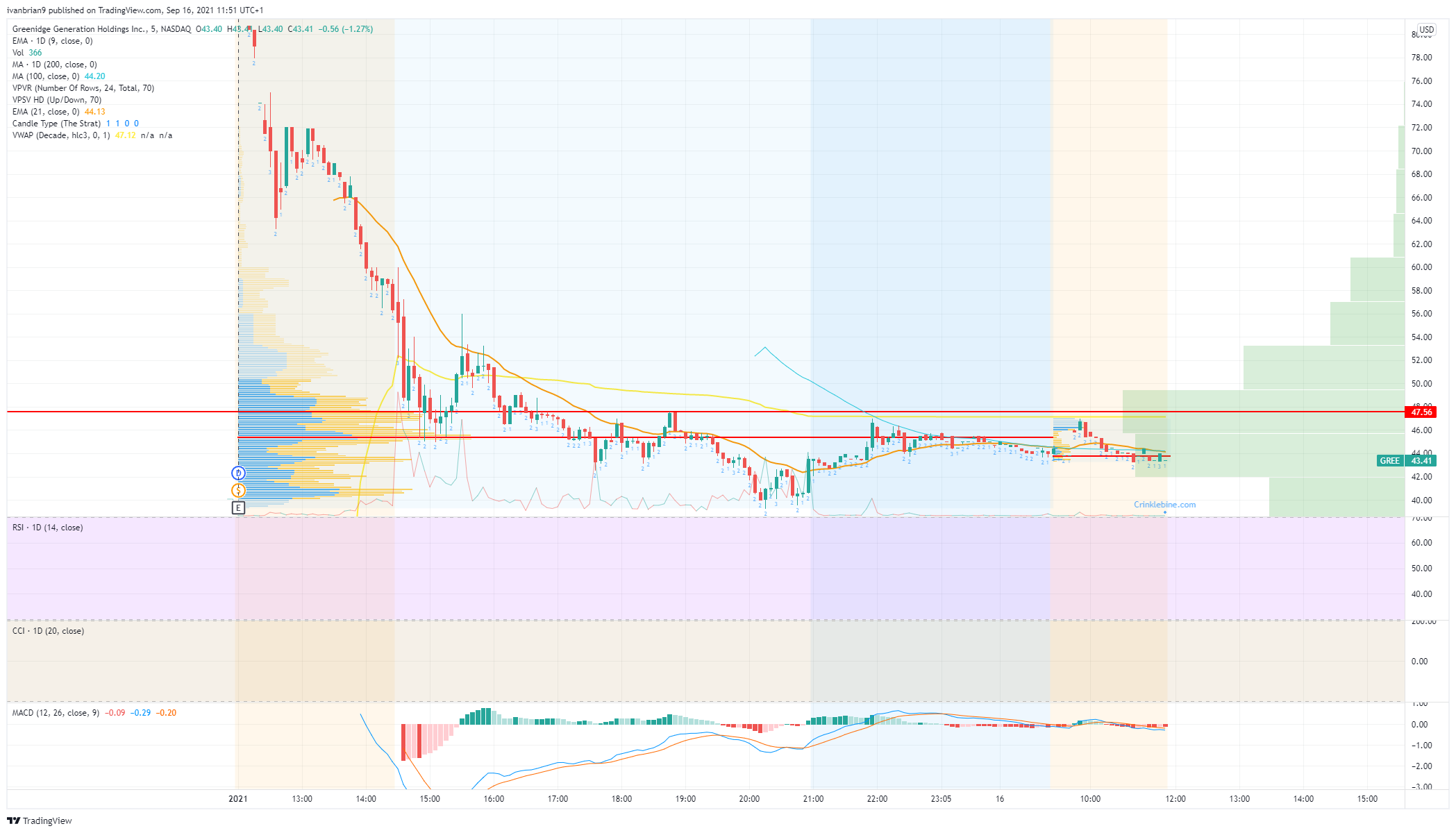
Greenidge debuted on the market yesterday under the ticker GREE. The company had completed its merger with Support.com, and the SPRT ticker was no more. Yesterday though saw the volatility continue with GREE shares falling steadily and sometimes sharply for much of Wednesday's session. Traders were struggling to put a value on the new company based on the old Support.com valuation.
Premium
You have reached your limit of 3 free articles for this month.
Start your subscription and get access to all our original articles.
Author
Ivan Brian
FXStreet
Ivan Brian started his career with AIB Bank in corporate finance and then worked for seven years at Baxter. He started as a macro analyst before becoming Head of Research and then CFO.