Silver Price Forecast: XAG/USD surges above $87.50 on geopolitical risks
- Silver price jumps to near $87.60 in Wednesday’s Asian session.
- Shifting expectations for the Fed chairman might cap the upside for Silver.
- Traders seek safe-haven assets after reports that the US shot down an Iranian drone approaching an aircraft carrier.
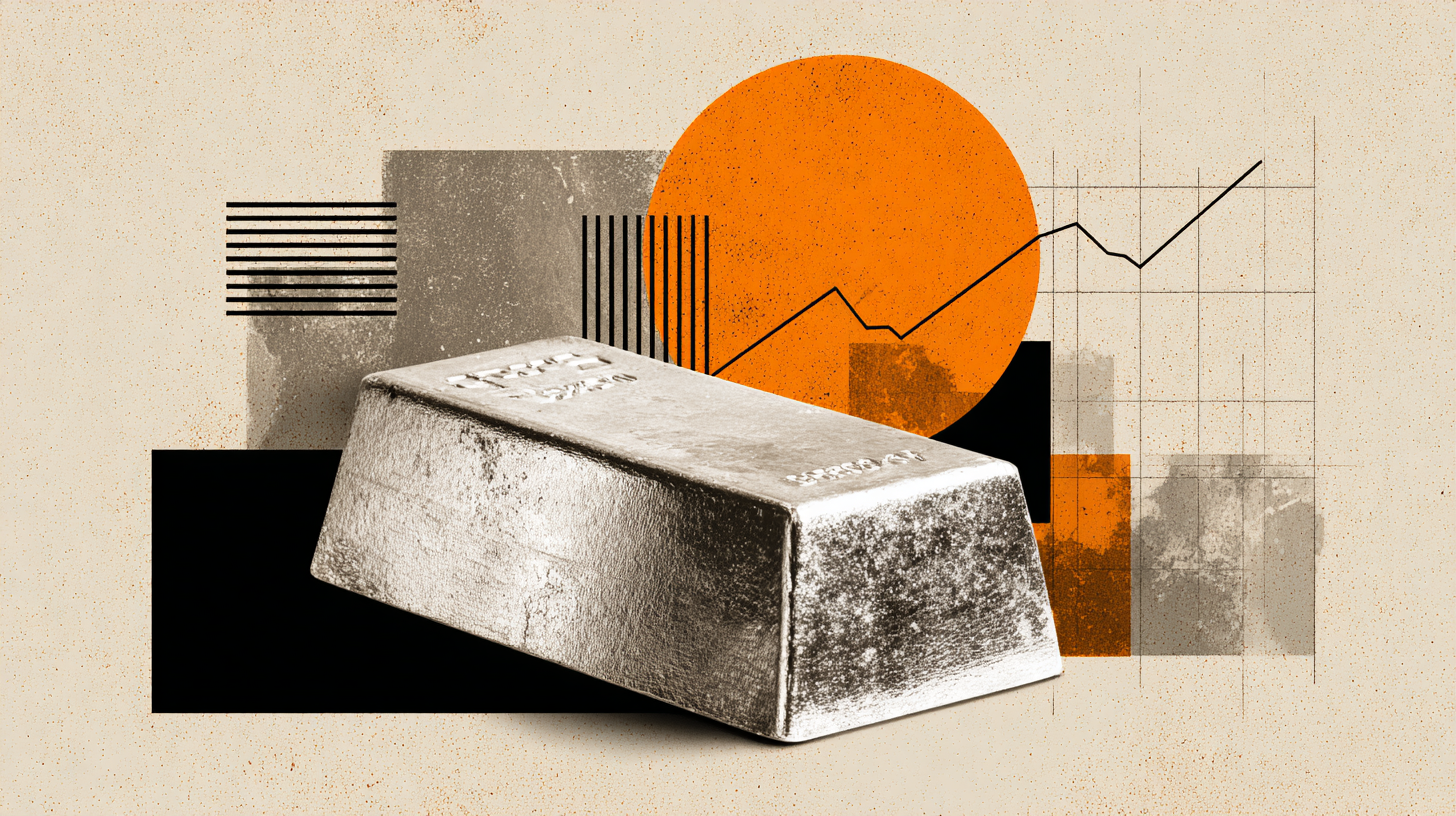
Silver price (XAG/USD) climbs to around $87.60 during the Asian trading hours on Wednesday. The white metal rebounds after facing a historic correction last week as dip-buyers enter the market.
US President Donald Trump on Friday nominated Kevin Warsh to succeed Jerome Powell as the next Chairman of the US Federal Reserve (Fed). Warsh is expected to take over when Powell's term expires in May. Expectations that Trump’s pick to head the US central bank would favor maintaining elevated interest rates to curb inflation could lift the US Dollar (USD) broadly and drag the USD-denominated commodity price.
The sell-off in precious metals is pressured by the Chicago Mercantile Exchange Group (CME) margin hikes. The CME Group over the weekend raised margin requirements for gold and silver, forcing many leveraged traders to sell their positions immediately to cover costs.
On the other hand, traders seek safe-haven assets amid geopolitical risks and economic uncertainty, which could boost the Silver price. Reuters reported on Tuesday that the US military shot down an Iranian drone that "aggressively" approached the Abraham Lincoln aircraft carrier in the Arabian Sea.
Iran asked that negotiations with the US this week be held in Oman rather than Turkey and that the scope be limited to two-way conversations on the nuclear issue only. Trump warned that with US warships heading toward Iran, "bad things" would probably happen if a deal could not be reached.
Silver FAQs
Silver is a precious metal highly traded among investors. It has been historically used as a store of value and a medium of exchange. Although less popular than Gold, traders may turn to Silver to diversify their investment portfolio, for its intrinsic value or as a potential hedge during high-inflation periods. Investors can buy physical Silver, in coins or in bars, or trade it through vehicles such as Exchange Traded Funds, which track its price on international markets.
Silver prices can move due to a wide range of factors. Geopolitical instability or fears of a deep recession can make Silver price escalate due to its safe-haven status, although to a lesser extent than Gold's. As a yieldless asset, Silver tends to rise with lower interest rates. Its moves also depend on how the US Dollar (USD) behaves as the asset is priced in dollars (XAG/USD). A strong Dollar tends to keep the price of Silver at bay, whereas a weaker Dollar is likely to propel prices up. Other factors such as investment demand, mining supply – Silver is much more abundant than Gold – and recycling rates can also affect prices.
Silver is widely used in industry, particularly in sectors such as electronics or solar energy, as it has one of the highest electric conductivity of all metals – more than Copper and Gold. A surge in demand can increase prices, while a decline tends to lower them. Dynamics in the US, Chinese and Indian economies can also contribute to price swings: for the US and particularly China, their big industrial sectors use Silver in various processes; in India, consumers’ demand for the precious metal for jewellery also plays a key role in setting prices.
Silver prices tend to follow Gold's moves. When Gold prices rise, Silver typically follows suit, as their status as safe-haven assets is similar. The Gold/Silver ratio, which shows the number of ounces of Silver needed to equal the value of one ounce of Gold, may help to determine the relative valuation between both metals. Some investors may consider a high ratio as an indicator that Silver is undervalued, or Gold is overvalued. On the contrary, a low ratio might suggest that Gold is undervalued relative to Silver.
Author

Lallalit Srijandorn
FXStreet
Lallalit Srijandorn is a Parisian at heart. She has lived in France since 2019 and now becomes a digital entrepreneur based in Paris and Bangkok.