Silver Price Forecast: XAG/USD holds ground above $31.00 amid increased safe-haven demand
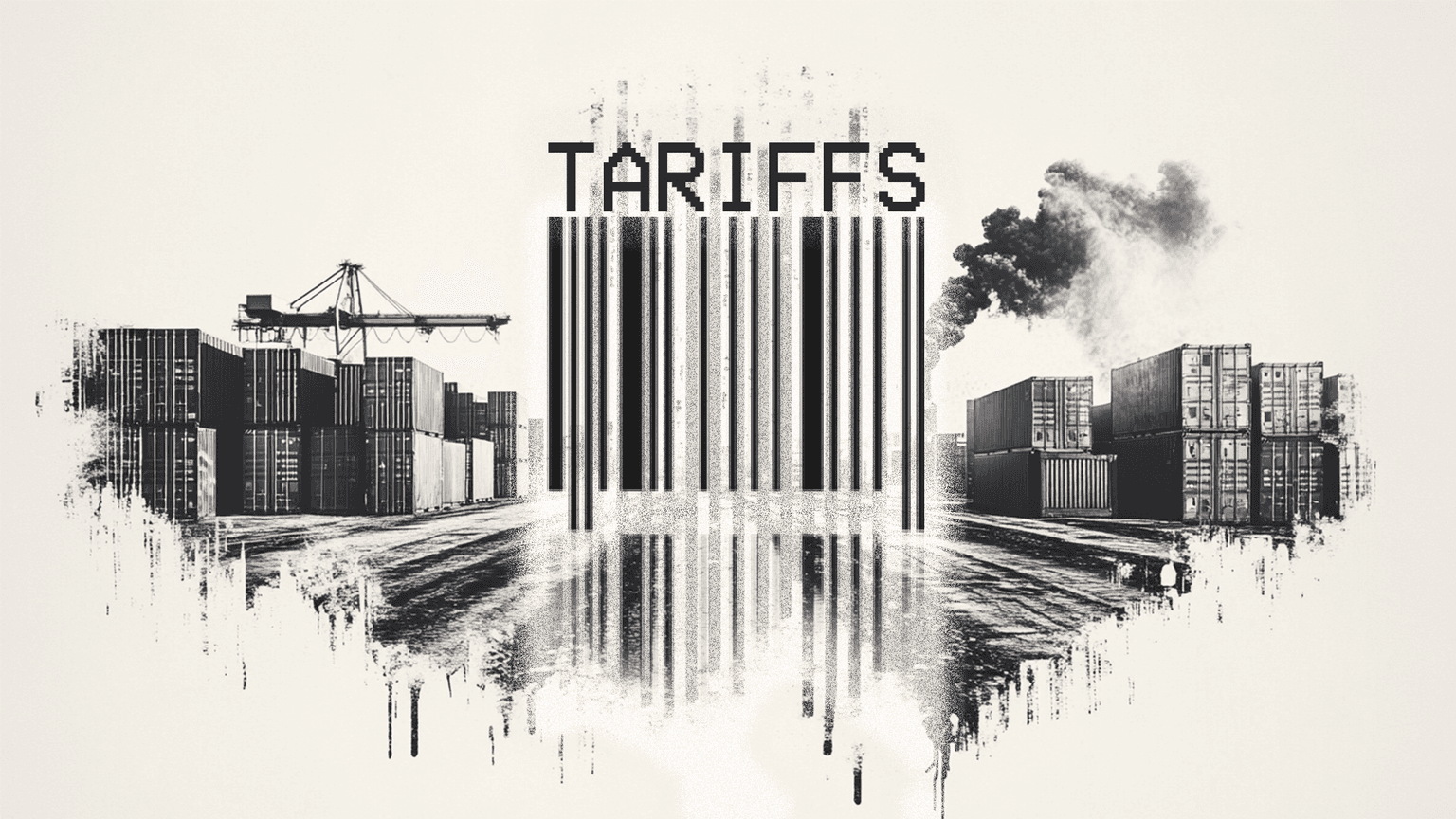
- Silver prices benefit from safe-haven demand amid concerns over US President Donald Trump’s tariff policies.
- An additional 10% US tariff on Chinese imports is set to take effect on Tuesday.
- The weaker US Dollar makes dollar-denominated Silver more affordable for holders of other currencies, attracting increased buying interest.
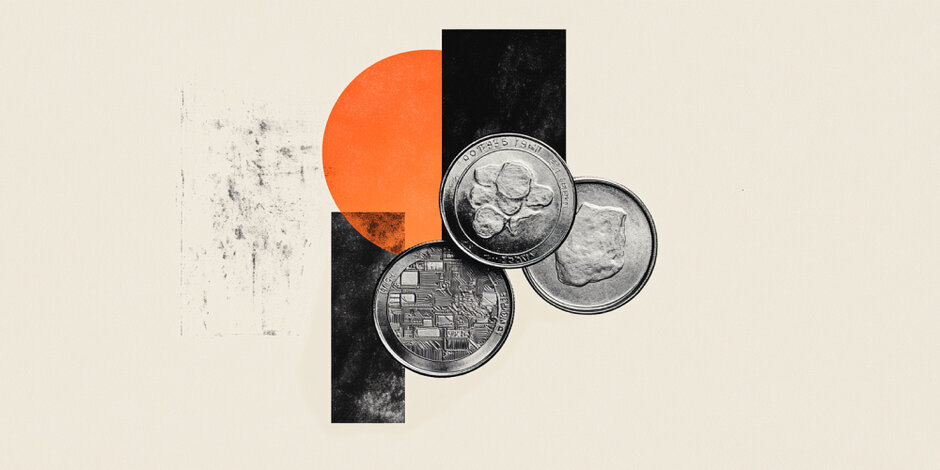

Silver price (XAG/USD) rebounds after two consecutive days of losses, trading around $31.30 per troy ounce during Asian market hours on Monday. The precious metal benefits from safe-haven demand amid concerns over US President Donald Trump’s tariff policies.
Over the weekend, Trump announced an additional 10% tariff on Chinese imports, effective Tuesday, following a similar 10% tariff imposed last month. Additionally, on Thursday, he stated via Truth Social that 25% tariffs on Canadian and Mexican goods will take effect on March 4.
In response, China is considering countermeasures, potentially including both tariff and non-tariff restrictions. US agricultural and food products are expected to be key targets, with possible non-tariff actions such as increased regulatory scrutiny, customs delays, and other trade barriers.
Meanwhile, geopolitical tensions intensified as a dispute arose between President Trump and Ukrainian leader Volodymyr Zelenskyy during peace negotiations. Zelenskyy was expected to sign an agreement granting the US expanded access to Ukraine's rare earth minerals and hold a joint press conference. However, the plan was abandoned following a heated exchange between the leaders in front of the media.
The weaker US Dollar (USD) is also providing support for Silver, making it more affordable for holders of other currencies. The US Dollar Index (DXY), which tracks the USD against six major currencies, hovers around 107.30 at the time of writing.
Additionally, the latest US Personal Consumption Expenditures (PCE) inflation data has helped ease concerns over inflationary spikes, boosting expectations for Federal Reserve (Fed) interest rate cuts. This has further enhanced Silver’s appeal as a non-yielding asset.
January’s PCE report aligned with market expectations, with the monthly headline PCE holding steady at 0.3%. Core PCE edged up to 0.3% from December’s 0.2%, while the annual headline PCE stood at 2.6%, slightly above forecasts but unchanged from December. Core PCE eased to 2.6%, down from a revised 2.9% in December.
Silver FAQs
Silver is a precious metal highly traded among investors. It has been historically used as a store of value and a medium of exchange. Although less popular than Gold, traders may turn to Silver to diversify their investment portfolio, for its intrinsic value or as a potential hedge during high-inflation periods. Investors can buy physical Silver, in coins or in bars, or trade it through vehicles such as Exchange Traded Funds, which track its price on international markets.
Silver prices can move due to a wide range of factors. Geopolitical instability or fears of a deep recession can make Silver price escalate due to its safe-haven status, although to a lesser extent than Gold's. As a yieldless asset, Silver tends to rise with lower interest rates. Its moves also depend on how the US Dollar (USD) behaves as the asset is priced in dollars (XAG/USD). A strong Dollar tends to keep the price of Silver at bay, whereas a weaker Dollar is likely to propel prices up. Other factors such as investment demand, mining supply – Silver is much more abundant than Gold – and recycling rates can also affect prices.
Silver is widely used in industry, particularly in sectors such as electronics or solar energy, as it has one of the highest electric conductivity of all metals – more than Copper and Gold. A surge in demand can increase prices, while a decline tends to lower them. Dynamics in the US, Chinese and Indian economies can also contribute to price swings: for the US and particularly China, their big industrial sectors use Silver in various processes; in India, consumers’ demand for the precious metal for jewellery also plays a key role in setting prices.
Silver prices tend to follow Gold's moves. When Gold prices rise, Silver typically follows suit, as their status as safe-haven assets is similar. The Gold/Silver ratio, which shows the number of ounces of Silver needed to equal the value of one ounce of Gold, may help to determine the relative valuation between both metals. Some investors may consider a high ratio as an indicator that Silver is undervalued, or Gold is overvalued. On the contrary, a low ratio might suggest that Gold is undervalued relative to Silver.
Author
Akhtar Faruqui
FXStreet
Akhtar Faruqui is a Forex Analyst based in New Delhi, India. With a keen eye for market trends and a passion for dissecting complex financial dynamics, he is dedicated to delivering accurate and insightful Forex news and analysis.