Silver price advances on Japan's fiscal outlook, safe-haven demand
- Silver price trades around $80.25 on Monday, posting a strong 3.60% daily gain.
- Reflationary expectations linked to expansionary fiscal policies in Japan support inflation-sensitive precious metals.
- Investors remain cautious ahead of key US data and continue to monitor geopolitical tensions in the Middle East.
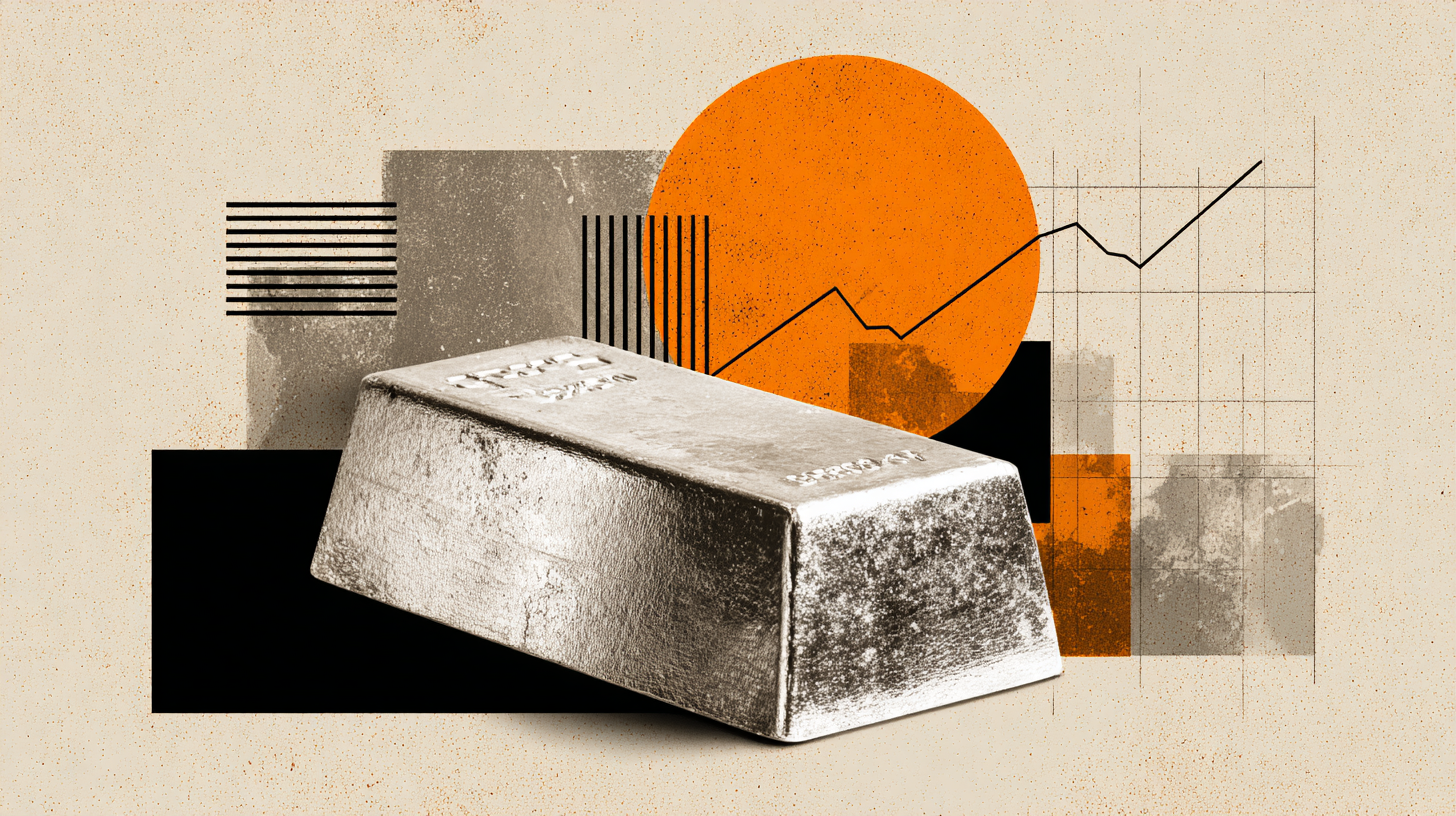
Silver (XAG/USD) posts a strong advance at the start of the week and holds near $80.25 per ounce at the time of writing, up 3.60% on the day. The white metal benefits from renewed interest amid reflation trades, fueled by political developments in Japan and persistent expectations of monetary easing in the United States (US).
Markets are reacting in particular to the election victory of Prime Minister Sanae Takaichi’s ruling coalition in Japan, a result that strengthens expectations for expansionary fiscal policies. Such an outlook is generally associated with rising inflation expectations, which underpins demand for Silver, often viewed as a hedge against the erosion of purchasing power.
At the same time, Silver retains a defensive appeal. Despite talks between the United States and Iran in Oman aimed at easing regional tensions, geopolitical uncertainty remains. Tehran has reiterated that it will not suspend nuclear enrichment, while Washington has indicated that further negotiations could take place this week. This fragile backdrop continues to support demand for safe-haven assets.
On the US macroeconomic front, investors are adopting a cautious stance ahead of major data releases, particularly employment figures. These indicators are expected to provide clearer signals on the future path of monetary policy from the Federal Reserve (Fed). Markets broadly anticipate interest rates to remain unchanged in the near term, with potential cuts later in the year, a scenario that remains supportive for non-yielding precious metals such as Silver.
Overall, the combination of reflation prospects, expectations of monetary easing and a still-uncertain geopolitical environment allows Silver to maintain a bullish bias in the near term, as market participants stay focused on upcoming US macroeconomic data.
Silver FAQs
Silver is a precious metal highly traded among investors. It has been historically used as a store of value and a medium of exchange. Although less popular than Gold, traders may turn to Silver to diversify their investment portfolio, for its intrinsic value or as a potential hedge during high-inflation periods. Investors can buy physical Silver, in coins or in bars, or trade it through vehicles such as Exchange Traded Funds, which track its price on international markets.
Silver prices can move due to a wide range of factors. Geopolitical instability or fears of a deep recession can make Silver price escalate due to its safe-haven status, although to a lesser extent than Gold's. As a yieldless asset, Silver tends to rise with lower interest rates. Its moves also depend on how the US Dollar (USD) behaves as the asset is priced in dollars (XAG/USD). A strong Dollar tends to keep the price of Silver at bay, whereas a weaker Dollar is likely to propel prices up. Other factors such as investment demand, mining supply – Silver is much more abundant than Gold – and recycling rates can also affect prices.
Silver is widely used in industry, particularly in sectors such as electronics or solar energy, as it has one of the highest electric conductivity of all metals – more than Copper and Gold. A surge in demand can increase prices, while a decline tends to lower them. Dynamics in the US, Chinese and Indian economies can also contribute to price swings: for the US and particularly China, their big industrial sectors use Silver in various processes; in India, consumers’ demand for the precious metal for jewellery also plays a key role in setting prices.
Silver prices tend to follow Gold's moves. When Gold prices rise, Silver typically follows suit, as their status as safe-haven assets is similar. The Gold/Silver ratio, which shows the number of ounces of Silver needed to equal the value of one ounce of Gold, may help to determine the relative valuation between both metals. Some investors may consider a high ratio as an indicator that Silver is undervalued, or Gold is overvalued. On the contrary, a low ratio might suggest that Gold is undervalued relative to Silver.
Author

Ghiles Guezout
FXStreet
Ghiles Guezout is a Market Analyst with a strong background in stock market investments, trading, and cryptocurrencies. He combines fundamental and technical analysis skills to identify market opportunities.