RBA Preview: Forecasts from 10 major banks, anticipating a dovish stance
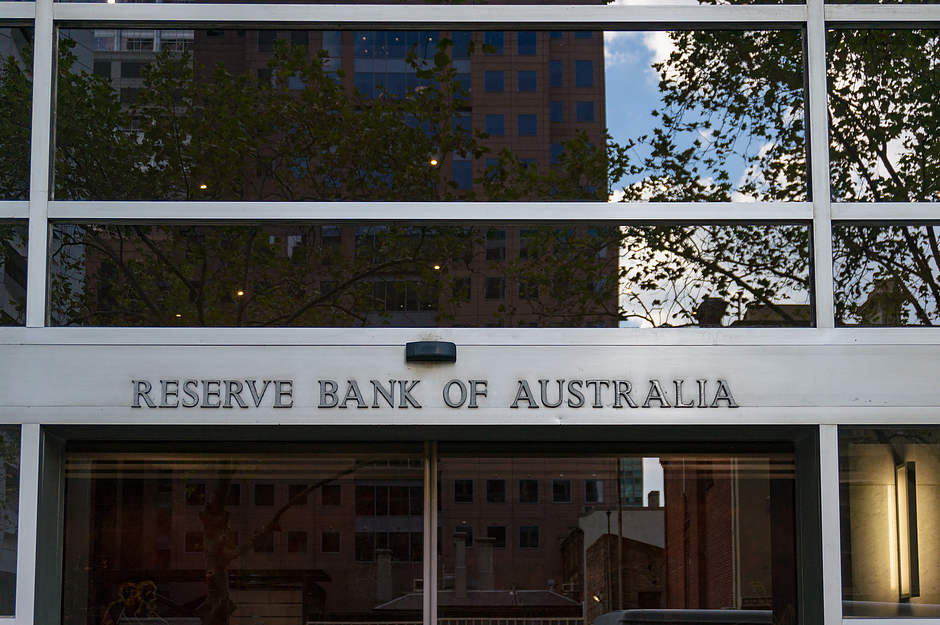

The Reserve Bank of Australia (RBA) will meet on Tuesday, September 7 at 06:30 GMT and as we get closer to the release time, here are the forecasts by the economists and researchers of 10 major banks regarding the upcoming central bank's decision. The market expects Australian policymakers to reverse their tapering plans.
In the opinion of FXStreet’s Chief Analyst Valeria Bednarik, AUD/USD may surge past 0.7500 on a hawkish surprise.
ING
“There is some market chatter about whether the RBA might pause its taper but I suspect not. We can not expect the RBA to change monetary policy every time there is a new COVID-19 outbreak, and the taper is very slight anyway. If need be, the AUD4 B rate can be extended beyond the current November date. No change to yield curve control or cash rate should be expected either.”
ANZ
“We think the RBA Board will decide to delay the bond taper from AUD5 B per week to AUD4 B scheduled for September, but the decision is likely to be very close and could go either way.”
TDS
“We expect the RBA to stick to its taper decision at its Board meeting on 7 September. Despite the worsening COVID-19 situation, the silver lining is the better vaccination rollout while ample fiscal stimulus appears more suited in supporting the economy at this juncture than monetary stimulus. This should give the RBA room to justify its decision to carry on with its taper until its next review in November.”
Westpac
“We fully expect that the taper commitment will be deferred. But an even better response would be to lift purchases from AUD5 B to AUD6 B with a review at the November Board meeting when the risks around the reopening of the economies and the spread of the virus will be much clearer. The RBA has always been prepared to contribute to policy efforts to assist in dealing with economic shocks. This brutal contraction in the economy should be no exception.”
Standard Chartered
“The question will be whether the RBA delays its asset purchase tapering due to extended lockdowns. We expect the central bank to maintain its previous stance, i.e., reduce asset purchases to AUD4 B a week (from AUD5 B previously) starting in early September until at least mid-November. We think the RBA remains of the view that the economy will bounce back once the virus outbreaks are contained. It has forecast a gradual border reopening from mid-2022; we think this is justified given the vaccination pace and as labour flexibilities could mitigate some short-term weakness due to lockdowns. Bond yields and the trade-weighted AUD may have risen from the lows, but remain very weak. Still, we see the upcoming meeting being a close call. We expect Q4-2021 GDP growth to be lower than the SoMP projection, and the Q3 growth contraction to be steeper than the RBA expects – the August SoMP had said Q3 GDP ‘may contract by at least 1%’. As a result, we see a risk that the RBA may delay asset purchase tapering.”
BBH
“RBA meets Tuesday and is expected to commence tapering. Some analysts are calling for a delay but we do not believe one is needed right now. Much will depend on how the virus numbers look then but we suspect the RBA will continue the tapering process in a measured manner.”
SocGen
“The health situation has worsened further since the August meeting as the number of daily new cases has surged and the fatality rate has risen. We again expect the RBA to postpone the tapering, following the pledge that it will maintain a flexible approach to the rate of bond purchases. We now expect the RBA to postpone the tapering to November when it is due to release the next quarterly Statement on Monetary Policy. The RBA can always change the tapering plan, anyway.”
Deutsche Bank
“We are expecting that they will reverse their taper decision, and announce that they’ll continue to purchase government bonds at the current average pace of AUD5 B per week, rather than tapering to AUD4 B per week.”
BMO
“RBA surprised markets in July when it announced plans to begin unwinding its stimulus by tapering bond purchases come September, then likely again in November. But the central bank’s firm stance was challenged soon after, as the lockdowns around the country were extended again and again. At the August meeting, the bank bravely stuck to its tapering plan, which was a bit surprising considering that half the country was under a lockdown and the RBA fully expected Q3 to contract. But policymakers were clearly having second thoughts as they discussed delaying their plans. That, and the uncertainty created by the ongoing extensions to the lockdowns, is likely to force Governor Lowe to put his plans on hold until November.”
MUFG
“According to Bloomberg, ten out of sixteen Australian economists expect the RBA to delay their QE tapering plans in response to further disruption from COVID-19 restrictions over the past month. However, it is not guaranteed that the RBA has changed their view from last month when they decided to stick to plans to begin QE tapering this month by slowing weekly purchases to AUD4 B from AUD5 B. We are sticking to our view that the RBA should delay QE tapering plans. However, the balance of risks to the aussie appears more skewed to the upside. A surprise decision to stick to tapering plans would have a bigger impact and reinforce the AUD’s recent rebound.”
See: AUD/USD to tank to 0.70 over next three months amid dovish RBA – Rabobank
Author
FXStreet Insights Team
FXStreet
The FXStreet Insights Team is a group of journalists that handpicks selected market observations published by renowned experts. The content includes notes by commercial as well as additional insights by internal and external analysts.