|premium|

NIO Stock Forecast: Nio Inc drops lower as investors digest slowing delivery growth

  • NYSE: NIO fell by 4.35% during Wednesday’s trading session.
  • Growth weakness returns as the EV sector tumbles.
  • Nio is preparing to enter Denmark by the end of 2022.

NYSE: NIO could not hold on to its tentative gains from Tuesday’s session after reporting its January vehicle deliveries. On Wednesday, shares of Nio fell by 4.35% and closed the trading session at $23.76. The markets showed hesitation on Wednesday despite all three major indices closing the day in the green for the third straight session. The upcoming January jobs report on Friday could bring some more short-term turbulence to the markets. The S&P 500 led the way gaining 0.94%, while the Dow Jones added 224 basis points and the NASDAQ closed higher by 0.50%. 


Stay up to speed with hot stocks' news!


Despite all three major indices finishing the session in the green, it was a volatile session for most growth names. The EV sector slumped again as Nio and rival XPeng (NYSE: XPEV) both dipped following the delivery reports on Tuesday. Li Auto (NASDAQ: LI) managed to eke out a small gain but was trading lower after the markets closed. It was anticipated that deliveries and sales would drop in January, as the Chinese government reduced consumer subsidies and the Lunar New Year holiday has historically caused the Chinese market to lag during the month. 

NIO stock price
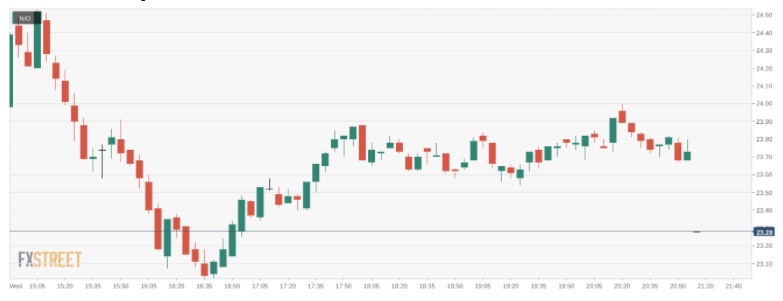
NIO Stock

Nio did announce that it was making preparations to enter the Danish market by the end of 2022. The move makes sense as Nio is already selling in the EV hotbed of Norway, and is planning to also launch in Sweden this year. Geographically all three Scandinavian countries would be an easy win for Nio as it prepares to conquer larger European markets like Germany where established automakers already have the inside track on the EV market.


Like this article? Help us with some feedback by answering this survey:

Premium

You have reached your limit of 3 free articles for this month.

Start your subscription and get access to all our original articles.

Subscribe to PremiumSign In

Author

More from Stocks Reporter
Share:

Editor's Picks

AUD/USD falls to near 0.7100 after slipping below 50-day EMA

AUD/USD depreciates after registering minor gains in the previous day, trading around 0.7120 during the Asian hours. The technical analysis of the daily chart shows the pair consolidating sideways within a rectangle pattern, as neither bulls nor bears gain control. The AUD/USD pair is holding a slight bearish tone however as it sits beneath both the nine-day and 50-day EMAs.

160.00: USD/JPY back near intervention territory after upbeat US jobs report

US Nonfarm Payrolls beat expectations by a wide margin in May, with 172K jobs added. The US Dollar rebounds after the release, helping USD/JPY recover from its intraday lows. Warnings from Japanese authorities continue to limit upside potential near the 160.00 threshold.

Gold targets $4,300 amid stronger Dollar

Gold faces increasing selling interest and navigates the area of three-month lows near the $4,300 mark per troy ounce on Friday. The precious metal’s decline comes as traders assess the stronger-than-expected NFP, while the bid bias in the Greenback and higher US Treasury yields also collaborate with the retracement.

Cardano hits five-year low even as Hoskinson clarifies "break" isn't an exit

Cardano (ADA) price is down 10% at press time on Friday, extending losses over 30% so far this week amid Charles Hoskinson's clarification that "break" isn't an exit.

Week ahead – Fed countdown begins amid US inflation data and geopolitical risks

Fed Chair Warsh’s first meeting approaches as key US inflation data could reshape expectations. Oil prices remain elevated as US-Iran talks continue; tariffs also return to the spotlight. ECB is expected to hike; will it be a one-off move or is July live?

The US economy defies the rules: 100 days into the Oil shock and the recession signal is still missing

More than three months after the start of the Iran war and the resulting disruption to global energy markets, the US economy continues to display remarkable resilience. The conflict has triggered a sharp rise in Oil prices, reignited inflationary pressures and fueled widespread concerns about a potential economic slowdown.