|

Indices: Already not extreme fear
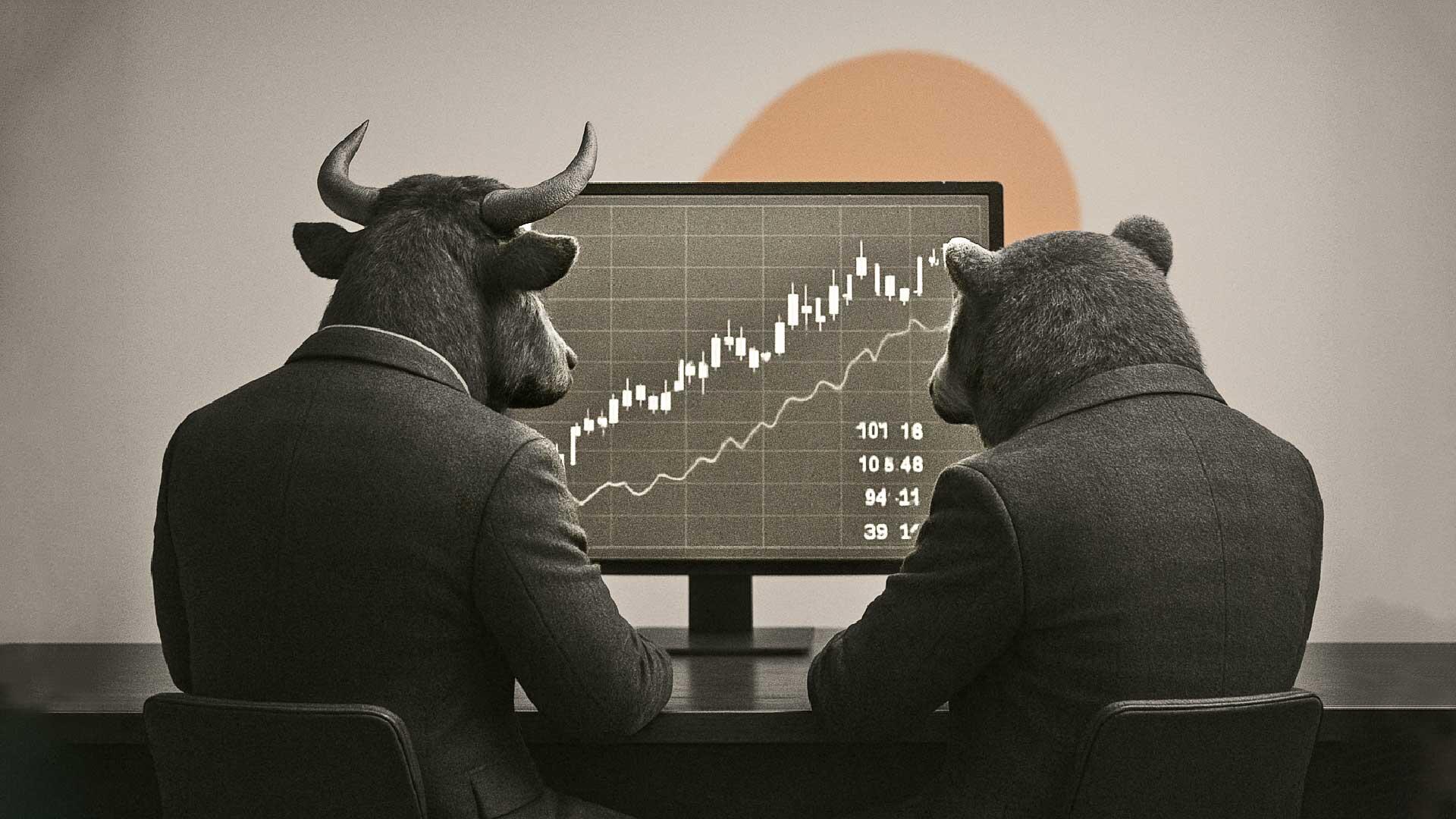
Financial markets are gradually pulling back from the shocks of recent weeks, including the tariff clash and attempts on the Fed's independence. While these stories promise to return more than once in sight, market participants are gradually realising that the point of maximum uncertainty is over.

Sentiment in the stock markets has moved into ‘fear’ territory, with the Fear and Greed Index at 27. This is 24 points above the lows of 8 April and fits the typical recovery pattern after a bottom.

Stock indices have yet to boast a similarly impressive recovery, adding about 2% on the S&P 500 since the start of the week, still pinned at local resistance at 5500. The index remains near the resistance line of the downtrend that has been in place since late February. Barring politics, it is more favourable to be on the bullish side right now as the market recovers from the correction.

However, in the real world, the puzzle is more complicated. The Fed is not changing its hawkish rhetoric as it has done in previous episodes of similar selloffs. Tariff disputes continue with no apparent breakthroughs, and the news itself is highly contradictory, which hurts business.

We therefore anticipate a very uneven and protracted upside, and buying on news-sparked selloffs could be a working strategy for many weeks to come.

Author

Alexander Kuptsikevich

Alexander Kuptsikevich, a senior market analyst at FxPro, has been with the company since its foundation. From time to time, he gives commentaries on radio and television. He publishes in major economic and socio-political media.


More from Alexander Kuptsikevich
Share:

Editor's Picks

GBP/USD climbs to two-day highs past 1.3200

GBP/USD picks up extra pace and surpasses the 1.3200 threshold on Thursday. That said, Cable manages to shrug off initial weakness and regain balance on the back of the fresh selling pressure hurting the Greenback.

EUR/USD stays consolidative around 1.1370

EUR/USD regains momentum and trades with modest gains around 1.1370 ahead of the opening bell in Asia. The pair sets aside three daily declines in a row and picks up pace on the back of the lacklustre performance of the US Dollar, particularly after US data failed to reinforce Fed rate hike bets.

Gold bounces from 2026 lows, remains pressured

Gold reverses part of its recent weakness on Thursday, managing to reclaim the area just above the $4,000 mark per troy ounce. The precious metal regains traction on the back of renewed selling interest in the Greenback, although expectations of rate hikes by the Fed are likely to keep buyers on the sidelines for now.

Three reasons to avoid buying Bitcoin at $60,000
Bitcoin (BTC) hovers around $62,000 on Thursday, recovering from a brief dip below $60,000 the previous day. Although dip buyers anticipate a rebound in BTC from its psychological support zone, bearish signals from the upcoming Bitcoin options expiry, Exchange Traded Funds (ETFs) outflows, and large-wallet investor activity warn that selling could snowball in the coming period.
Micron prints perfect, and now the chart has to answer
Memory’s biggest name just delivered the cleanest quarter of its life, and the most interesting thing about it is that the stock isn’t sure what to do with it. Micron closed out fiscal Q3 with revenue of $41.5 billion, up 346% on the year, a fifth straight record. Gross margin came in at 84.9%, up from 39% the same quarter a year ago. Earnings landed at $25.11 against a Street sitting near $20.49.
Regime change: Inside Kevin Warsh's first move to make the Fed unreadable on purpose

The rate did not move. That was the least interesting thing about Kevin Warsh's first meeting in charge of the Fed. The FOMC held its benchmark at 3.50%-3.75% for the fourth straight meeting, exactly as priced, and then the new chair used his first press conference to dismantle the machinery the market has leaned on for a decade.