|

Gold: Chinese Life Insurance companies become members of the exchange  – TDS

China Lifecos are already on the bid in Gold. The Shanghai Gold exchange admitted four Chinese Life Insurance companies as members of the exchange, enabling them to purchase Gold as part of a pilot program that could grow the network of Gold buyers and create a massive new buying impulse, TDS' Senior Commodity Strategist Daniel Ghali notes. 

Gold prices continue to rally north of $3000

"These four lifecos alone have nearly 13Trillion yuan in total assets and represent nearly 2/3 of the total potential buying impulse from this pilot program. We estimate that a 1% allocation into Gold amounts to roughly $17.8bn of new fund inflows, equivalent to roughly 183 tonnes (5.9mn toz)." 

"This could amount to a massive buying impulse, equivalent to roughly half of the yearly global official central bank purchases on average over the last five years. While there is no timeline associated with building this allocation, these firms have demonstrated interest in doing so, having reported their first such purchase within the first trading session in which they received membership." 

"In today's market context, which already features near-perfect inverse correlation between two of Gold's major buying cohorts, this could add another element to the asymmetry that is benefiting prices. Conversely, the downside is limited by the significantly smaller scale of macro fund positioning. Expect more FOMO from funds ahead as prices continue to rally north of $3000/oz."

Author

FXStreet Insights Team

The FXStreet Insights Team is a group of journalists that handpicks selected market observations published by renowned experts. The content includes notes by commercial as well as additional insights by internal and external analysts.


More from FXStreet Insights Team
Share:

Editor's Picks

AUD/USD meets support around 0.6900

AUD/USD remains well on the defensive, bouncing off three-month lows near the 0.6900 level ahead of the opening bell in Asia on Friday. The pair has accelerated its weekly downtrend in response to the marked advance in the Greenback and the widespread selling pressure on the risk-linked assets.


USD/JPY sits at weekly top above 158.00 as bullish USD counters intervention risks

USD/JPY is sitting at the top end of its weekly range above 158.00 in the Asian session on Thursday. Despite the softer US PCE data, oil-driven inflation risks keep US bond yields elevated near multi-year highs. Moreover, the US-Iran standoff benefits the safe-haven US Dollar and supports the pair. Broad US Dollar strength counters hawkish BoJ expectations and Japanese intervention risks.

Gold alternates gains with losses below $4,200

Gold trades without a clear direction on Thursday, always below the key $4,200 mark per troy ounce. The yellow metal’s vacillating price action comes amid the marked advance in the US Dollar coupled with steady effervescence in the Middle East conflict.

Near Protocol slides below $5.00 after Near Intents $4M exploit
Near Protocol (NEAR) uptrend has been cut short, as the price slides below $5.00 on Thursday. The correction comes after an exploit on the network’s Near Intents services, which affected deposits and withdrawals across 11 crypto networks. NEAR is currently trading at $4.88, below the daily high of $5.54, while falling momentum indicators suggest that sellers are gaining the upper hand.
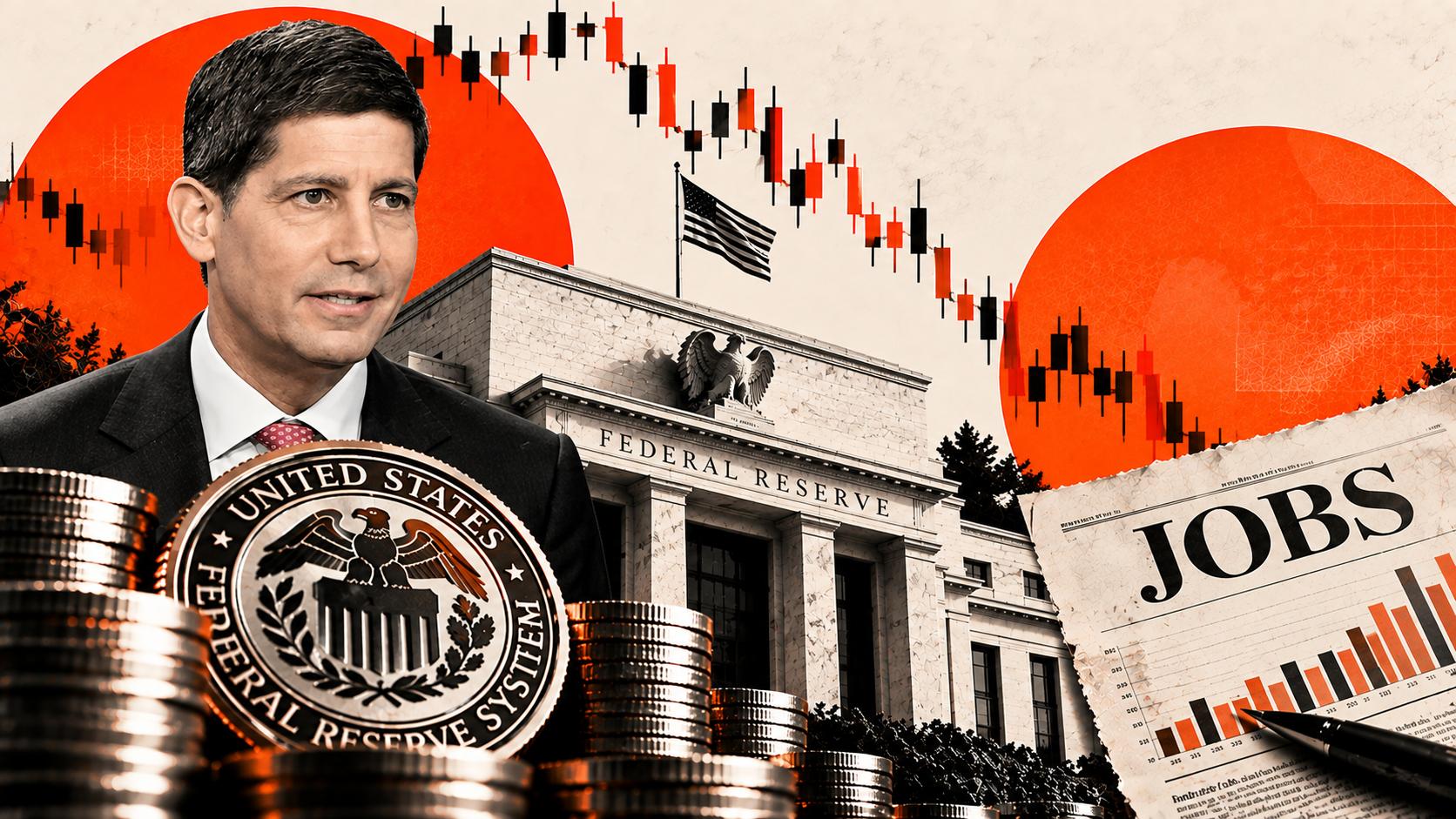
Markets are pricing a Fed pause. The jobs data says the hike is still coming

The market has rapidly changed its mind about the Fed. Only a week ago, investors saw an October interest-rate hike as the most likely outcome. However, softer inflation and cautious comments from policymakers have since turned a pause into the dominant scenario.

Markets are pricing a Fed pause. The jobs data says the hike is still coming
The market has rapidly changed its mind about the Federal Reserve (Fed). Only a week ago, investors saw an October interest-rate hike as the most likely outcome. However, softer inflation and cautious comments from policymakers have since turned a pause into the dominant scenario. Yet beneath that dramatic repricing, the US economy is sending a considerably less dovish message.