German elections: Bittersweet victory - ING
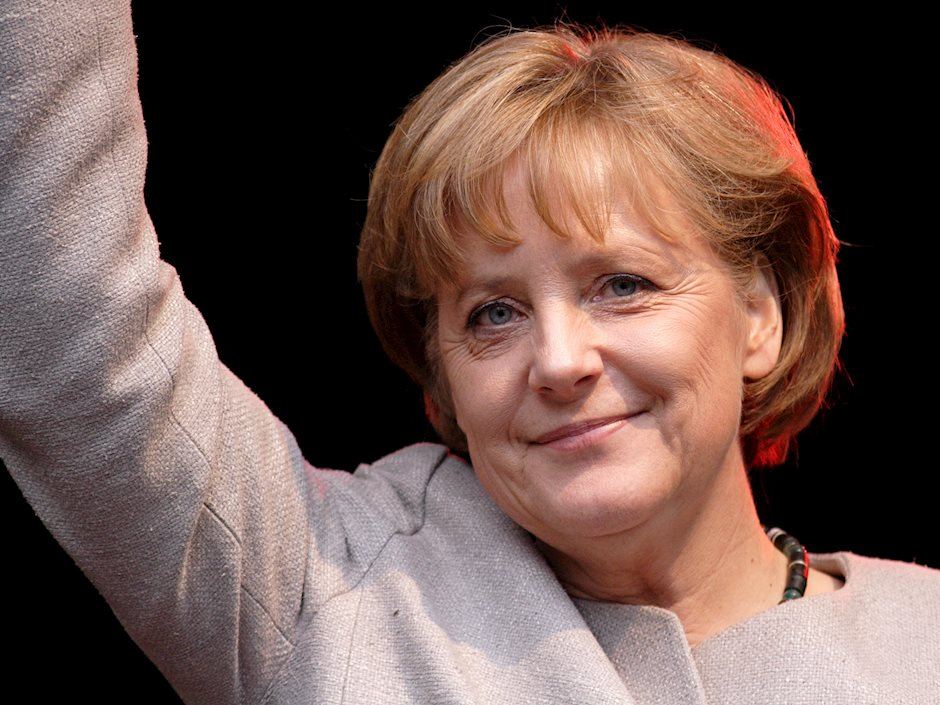

As Merkel celebrates her fourth victory, losses for her party and a difficult coalition building challenge ahead will make this a bittersweet victory, according to Carsten Brzeski, Chief Economist at ING.
Key Quotes
“The German elections have delivered the almost unexpected. According to last nights polls, Angela Merkel and her party, the CDU, recorded strong losses, receiving some 32% of the votes; this would be the worst result for the CDU since 1949. The SPD and Martin Schulz came in as the second largest party, though also recording the worst result since World War II, with some 20% of the votes. In total, the current government has almost lost 15 percentage points. The AfD seems to be the third largest party with some 13% votes, while the FDP with around 10%. Greens and The Left are still close to each other with 9% each.”
“With this outcome, there are only two coalitions possible: a continuation of the current grand coalition (CDU and SPD) and an unprecedented ‘Jamaica’ coalition of CDU, FDP, and Greens. However, none of these two coalitions will be easy. The SPD has already announced it will not form a coalition and will go into opposition. Interestingly, in the course of yesterday evening, CDU politicians have called upon the SPD to not draw quick conclusions, trying to keep the door open for another grand coalition.”
“The ‘Jamaica coalition’ will also be a difficult political compromise. Not only have FDP and Greens fought each other almost to the bones during the election campaign, they also have almost opposing views on the future of the Eurozone, energy transition and industry policy.”
“Given Germany’s traditional craving for stable governments, we think all parties will try to make the ‘Jamaica coalition’ work. However, the negotiations will be very difficult and it could take until the end of the year or even longer before all parties reach an agreement. It might not be a stable government but could clearly lead to more investments in digitalisation, education and some structural reforms in the labour market. In this coalition, Merkel would probably try to keep a pro-Eurozone course but the FDP would clearly slow down any Merkel-Macron attempts for deeper Eurozone integration. After the election results, FDP leader Lindner confirmed his parties view that it opposes a Eurozone budget.”
“On a positive note, if the ‘Jamaica coalition’ succeeds, Angela Merkel could build a new and unprecedented coalition, with a clear focus on investments, digitalisation, and ecological change. But if the ‘Jamaica coalition’ fails, new concepts like a minority government with the CDU and either the FDP or the Greens should not be excluded.”
“In any case, the weak result could make Angela Merkel a lame duck much faster than international observers and financial markets think. The combination of a weak result together with a difficult coalition and possible tensions (within a new coalition but also her own party) will not make Angela Merkel’s political life any easier.”
“The rise of the right-wing AfD should make the next German parliament the most diverse parliament ever, with extreme parties both to the left and the right of the political spectrum. As regards the AfD, the question will be whether the AfD can do parliamentarian work or whether it could implode in the next four years, as seen with other right-wing parties in other European countries in the past.”
“In sum, yesterday’s election result has finally pushed German politics into Europe. For a long time, Germany seemed to be immune to right-wing populism and enjoyed a strong and stable political center. The center is still stable but less strong. Losses to parties in the political center, right-wing populists in parliament and difficult coalition building are a combination all other European countries have been facing for a long while. Now Germany joins the crowd.”
“Angela Merkel will start her fourth term in office but it could be her most difficult one. A weak electoral outcome and a difficult coalition-building challenge ahead makes yesterday's victory a bittersweet one.”
Author
Sandeep Kanihama
FXStreet Contributor
Sandeep Kanihama is an FX Editor and Analyst with FXstreet having principally focus area on Asia and European markets with commodity, currency and equities coverage. He is stationed in the Indian capital city of Delhi.

















