Forex Today: Mood improves on US-China trade deal optimism
Here is what you need to know on Monday, October 27:
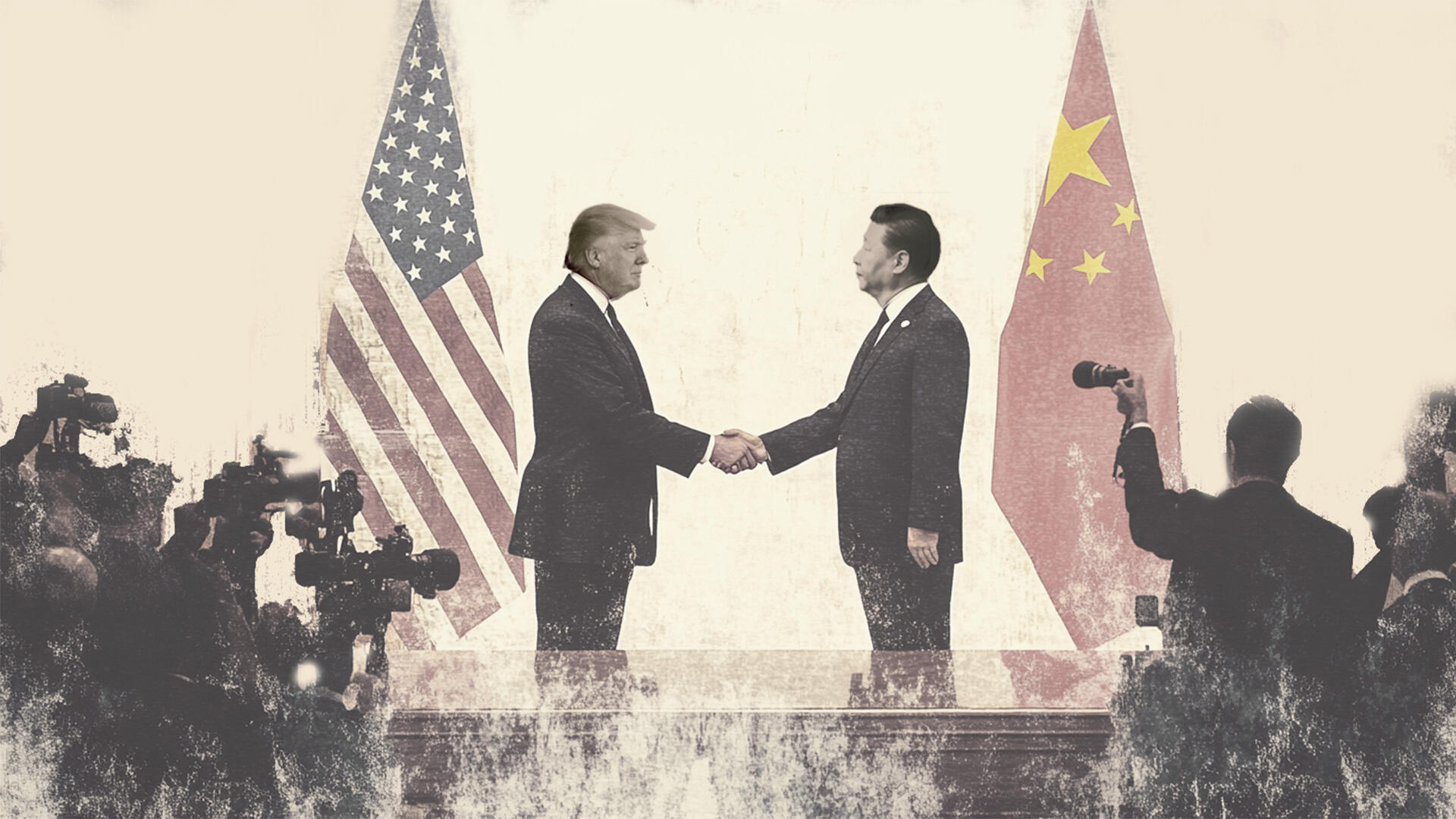
Markets turn risk-positive to start the week as investors grow optimistic about the United States (US) and China reaching a trade deal heading into the highly-anticipated meeting between US President Donald Trump and Chinese President Xi Jinping. The economic calendar will not feature any high-tier data releases on Monday.
Following a meeting with top Chinese officials late last week, US Treasury Secretary Scott Bessent said that China is ready to make a trade deal to avert a new 100% tariff on Chinese imports. Bessent further noted that a framework is prepared for the Trump-Xi meeting, and added that they are anticipating that they will get "some kind of a deferral" on the rare earth export controls that China intended to apply.
US Dollar Price Last 7 Days
The table below shows the percentage change of US Dollar (USD) against listed major currencies last 7 days. US Dollar was the strongest against the Japanese Yen.
| USD | EUR | GBP | JPY | CAD | AUD | NZD | CHF | |
|---|---|---|---|---|---|---|---|---|
| USD | 0.33% | 0.79% | 1.67% | -0.30% | -0.80% | -0.53% | 0.55% | |
| EUR | -0.33% | 0.46% | 1.41% | -0.62% | -1.02% | -0.92% | 0.23% | |
| GBP | -0.79% | -0.46% | 0.69% | -1.08% | -1.47% | -1.37% | -0.25% | |
| JPY | -1.67% | -1.41% | -0.69% | -2.00% | -2.46% | -2.25% | -1.21% | |
| CAD | 0.30% | 0.62% | 1.08% | 2.00% | -0.46% | -0.29% | 0.86% | |
| AUD | 0.80% | 1.02% | 1.47% | 2.46% | 0.46% | 0.10% | 1.25% | |
| NZD | 0.53% | 0.92% | 1.37% | 2.25% | 0.29% | -0.10% | 1.14% | |
| CHF | -0.55% | -0.23% | 0.25% | 1.21% | -0.86% | -1.25% | -1.14% |
The heat map shows percentage changes of major currencies against each other. The base currency is picked from the left column, while the quote currency is picked from the top row. For example, if you pick the US Dollar from the left column and move along the horizontal line to the Japanese Yen, the percentage change displayed in the box will represent USD (base)/JPY (quote).
Reflecting the improving risk mood, US stock index futures rise between 0.6% and 1.1% in the European morning on Monday. On Friday, the data from the US showed that the annual inflation, as measured by the change in the Consumer Price Index (CPI), edged higher to 3% in September from 2.9% in August. This reading came in below the market expectation of 3.1%. After ending the previous week in positive territory, the US Dollar (USD) Index fluctuates in a tight channel, slightly below 99.00, in the early European session.
Gold lost more than 3% last week and opened with a bearish gap. At the time of press, XAU/USD was trading below $4,100, losing nearly 1% on a daily basis.
EUR/USD holds above 1.1600 early Monday. Later in the week, the Federal Reserve (Fed) and the European Central Bank (ECB) will both announce monetary policy decisions.
USD/JPY continues to stretch higher after gaining nearly 1.5% last week and trades above 153.00. Japanese Chief Cabinet Secretary Minoru Kihara repeated on Monday that it is important for currencies to move in a stable manner, reflecting fundamentals.
GBP/USD closed the sixth consecutive trading day in negative territory last Friday and touched its weakest level since mid-October below 1.3290. The pair holds its ground on Monday and clings to moderate gains above 1.3300.
USD/CAD stays under modest bearish pressure in the European morning and trades below 1.4000. The Bank of Canada is expected to lower the policy rate by 25 basis-points to 2.25% on Wednesday.
US-China Trade War FAQs
Generally speaking, a trade war is an economic conflict between two or more countries due to extreme protectionism on one end. It implies the creation of trade barriers, such as tariffs, which result in counter-barriers, escalating import costs, and hence the cost of living.
An economic conflict between the United States (US) and China began early in 2018, when President Donald Trump set trade barriers on China, claiming unfair commercial practices and intellectual property theft from the Asian giant. China took retaliatory action, imposing tariffs on multiple US goods, such as automobiles and soybeans. Tensions escalated until the two countries signed the US-China Phase One trade deal in January 2020. The agreement required structural reforms and other changes to China’s economic and trade regime and pretended to restore stability and trust between the two nations. However, the Coronavirus pandemic took the focus out of the conflict. Yet, it is worth mentioning that President Joe Biden, who took office after Trump, kept tariffs in place and even added some additional levies.
The return of Donald Trump to the White House as the 47th US President has sparked a fresh wave of tensions between the two countries. During the 2024 election campaign, Trump pledged to impose 60% tariffs on China once he returned to office, which he did on January 20, 2025. With Trump back, the US-China trade war is meant to resume where it was left, with tit-for-tat policies affecting the global economic landscape amid disruptions in global supply chains, resulting in a reduction in spending, particularly investment, and directly feeding into the Consumer Price Index inflation.
Author

Eren Sengezer
FXStreet
As an economist at heart, Eren Sengezer specializes in the assessment of the short-term and long-term impacts of macroeconomic data, central bank policies and political developments on financial assets.