Fed's Williams: Fed needs to analyze timing and pace of asset purchases carefully
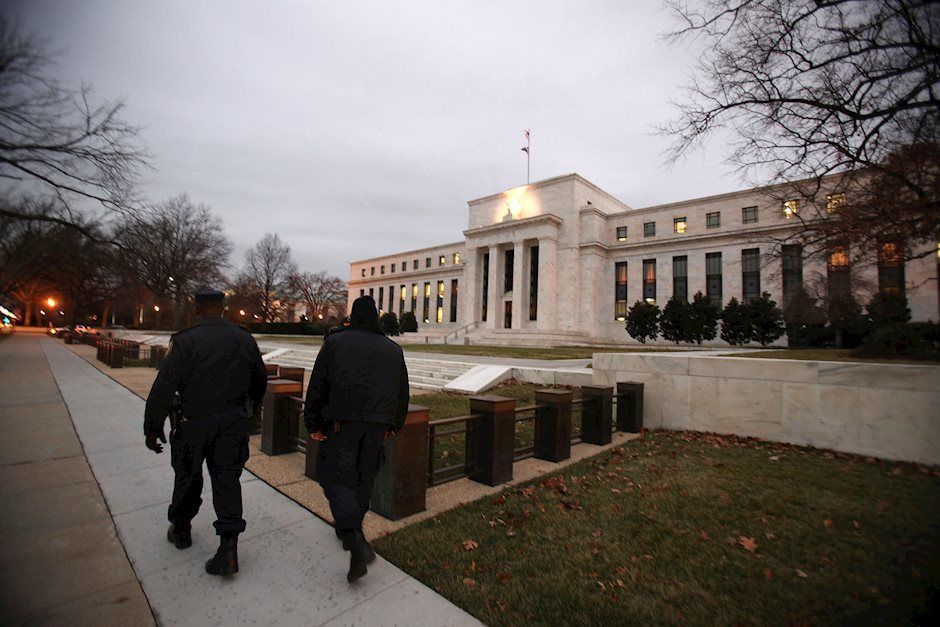

"As the economy makes substantial further progress on maximum employment and price stability goals, the Fed will make decisions on asset purchases," New York Federal Reserve President John Williams said, as reported by Reuters.
Additional takeaways
"Fed needs to think about the timing of the asset purchase pace and the composition, need to analyze carefully."
"The main purpose of treasury and MBS purchases is to provide economic support."
"This time is different from the global financial crisis."
"Decisions should be based on how the economy is evolving rather than where things are now."
"Focused on the framework, which is positioned well for today's situation."
"Discussion about the appropriate stance of the Fed funds rate is still a far way off."
"Recent inflation numbers are very high and get a lot of attention."
"Fed needs to be careful watching data and understanding to what extent inflation is temporary."
"Watching employment-population ratio and other metrics when assessing the labor market."
"Progress in the labor market is still not close to the substantial further progress threshold set for asset purchases."
"There has been a lot of churn in the labor market as the economy reopens."
"No reason why the economy can't return to a very strong labor market."
"Goal of asset purchases is to provide strong economic conditions, not to add cash to the markets."
"Overnight reverse repo facility was created to help interest rates stay within the target range."
"Interest rates are well within the range just as the FOMC wants."
"Not concerned by the large amounts going into the reverse repo, exactly what you would expect."
Market reaction
These comments don't seem to be having a significant impact on the USD's performance against its major rivals. As of writing, the US Dollar Index was up 0.15% on the day at 92.00.
Author
Eren Sengezer
FXStreet
As an economist at heart, Eren Sengezer specializes in the assessment of the short-term and long-term impacts of macroeconomic data, central bank policies and political developments on financial assets.