|

Fed decision seems unnecessary – Commerzbank

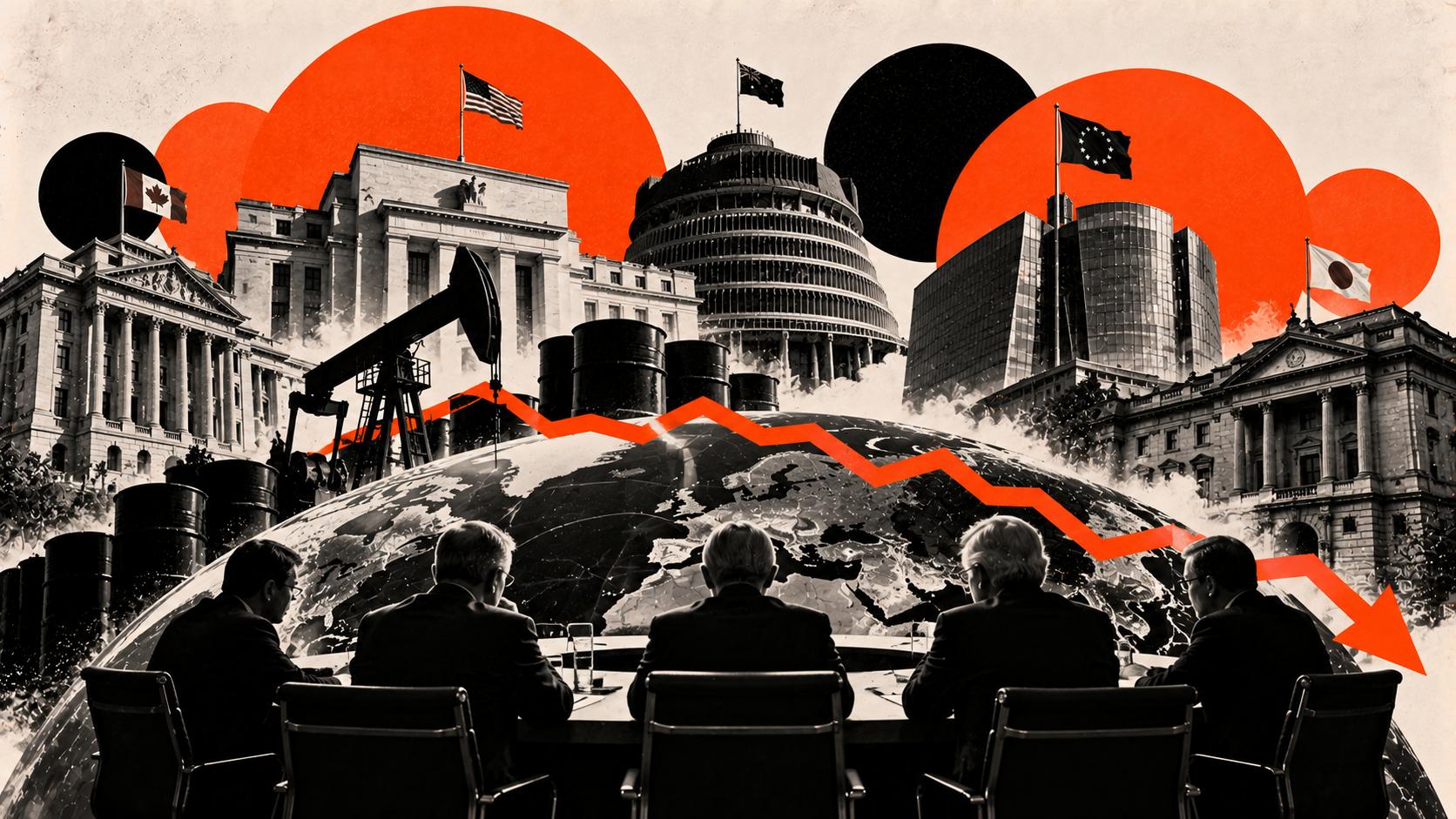
This week, the markets still face five central bank decisions in the G10 currencies ahead: the Fed on Wednesday, on Thursday the Nordic central banks as well as the Bank of England and the Bank of Japan, Commerzbank’s FX analyst Antje Praefcke notes.

The focus is on Wednesday's Fed decision

“The market was temporarily in doubt whether a cut would come in December, but has since re-priced it. Our experts also expect the Fed to cut by 25 basis points, but that it could well take a pause at one or the other meeting next year. Our specialists expect the terminal rate to be 4%, the market sees it slightly lower.”

“It will be interesting to see how Fed Chairman Jerome Powell comments on the outlook and how the new projections and dot plots turn out. It is possible that the market will have to adjust its interest rate expectations again somewhat. Accordingly, the dollar could move again shortly before the end of the year. If the market feels it needs to reduce its rate cut expectations even further, the dollar could strengthen again. However, its gains are likely to be limited as the market has already scaled back its rate cut expectations in recent weeks.”

“We think that no major reassessment of the Fed's future monetary policy is necessary at this time. This may change with further US data and/or with the new US president and his opinion on monetary policy. However, it is difficult to predict the possible changes in the Fed's approach that may result from this, and the new US president's erratic statements and plans are almost impossible to predict. The only thing we can do is to advise you to hedge the side that could hurt you the most as long as we are still in reasonably calm waters in the foreign exchange market.”

Author

FXStreet Insights Team

The FXStreet Insights Team is a group of journalists that handpicks selected market observations published by renowned experts. The content includes notes by commercial as well as additional insights by internal and external analysts.


More from FXStreet Insights Team
Share:

Editor's Picks

GBP/USD extends the drop to 1.3360

GBP/USD builds on Monday’s decline and briefly clinches five-day lows near 1.3360 on Tuesday. Cable’s extra pullback follows the better tone in the Greenback as uncertainty in the Middle East prompts investors to adopt a cautious stance. Meanwhile, an apathetic UK labour market report also collaborates with the selling pressure on the British Pound.

EUR/USD stays offered just above 1.1400

EUR/USD keeps the downtrend well in place for yet another day, challenging the 1.1400 contention zone on Tuesday. The continuation of the selling impulse in spot comes amid decent gains in the US Dollar, which continues to find support in the persistent effervescence surrounding the US-Iran crisis.

Middle East crisis intensifies, Gold up

Gold now seems to have embarked on a consolidative phase below the key $4,100 mark per troy ounce in the latter part of Tuesday’s session. Meanwhile, uncertainty surrounding the Middle East conflict and rising expectations for a hawkish Fed policy outlook are expected to limit the precious metal’s bullish momentum in the near term.

XRP extends recovery as on-chain activity grows
Ripple (XRP) ticks up and trades around $1.13 at the time of writing on Tuesday. This rebound aligns with a broader recovery in the cryptocurrency market, attributed to reports that mediators between the United States (US) and Iran are seeking a 10-day cessation of strikes to find a way back to the signed Memorandum of Understanding (MoU).
The Iranian war has again risen
The Iranian war has again risen to the top of the economics factor list. There is no end in sight. Intelligence experts say the current level of offense/retaliation will not change minds in Tehran, while in Washington, Trump fears all-out war, which would mean boots on the ground.
US Dollar mid-year outlook: Exceptional currency, exceptional risks?
The US Dollar enters the second half of 2026 in a markedly different position from a year ago. The King currency has recovered, reflecting persistent US inflation, changing expectations for Fed policy, geopolitical tensions and renewed demand for defensive assets.