EUR/USD within the daily range above 1.2200 post-NFP
- EUR/USD keeps the offered bias near the 1.2200 mark.
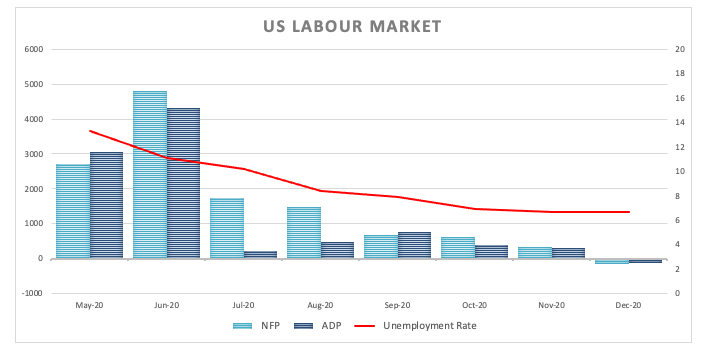
- US Non-farm Payrolls dropped by 140K jobs in December.
- The unemployment rate stayed put at 6.7% vs. 6.8% expected.

The selling interest around the single currency remains well and sound, with EUR/USD now hovering around the 1.2240 region in the wake of the US labour market report for the month of December.
EUR/USD stays capped by 1.2350 so far
EUR/USD keeps the renewed negative note in the second half of the week after the US economy lost 140K jobs during last month, coming in short of expectations for a gain of 71K jobs and down from November's 336K (revised from 245K).
Further data showed the jobless rate stayed unchanged at 6.7% and the critical Average Hourly Earnings – a proxy for inflation via wages – expanded 0.8% MoM and 5.1% over the last twelve months, both prints coming in above expectations.
Further releases in the docket will see Wholesale Inventories and Consumer Credit Change for the month of November ahead of the speech by FOMC’s Richard Clarida (permanent voter, dovish).
What to look for around EUR
The upside momentum in EUR/USD run out of steam in the 1.2350 area for the time being followed by a moderate correction lower. In spite of the corrective downside, the outlook for EUR/USD remains constructive and appears supported by prospects of a strong recovery in the region (and abroad), which is in turn underpinned by extra fiscal stimulus by the Fed and the ECB. In addition, real interest rates continue to favour the euro area vs. the US, which is also another factor supporting the EUR along with the huge, long positioning in the speculative community.
EUR/USD levels to watch
At the moment, the pair is retreating 0.22% at 1.2246 and faces immediate contention at 1.2129 (weekly low Dec.21) seconded by 1.2058 (weekly low Dec.9) and finally 1.2032 (23.6% Fibo of the 2017-2018 rally). On the other hand, a breakout of 1.2349 (2021 high Jan.6) would target 1.2413 (monthly high Apr.17 2018) en route to 1.2476 (monthly high Mar.27 2018).
Author

Pablo Piovano
FXStreet
Born and bred in Argentina, Pablo has been carrying on with his passion for FX markets and trading since his first college years.