|

CNB decision: off the rate-cutting gas pedal – Commerzbank
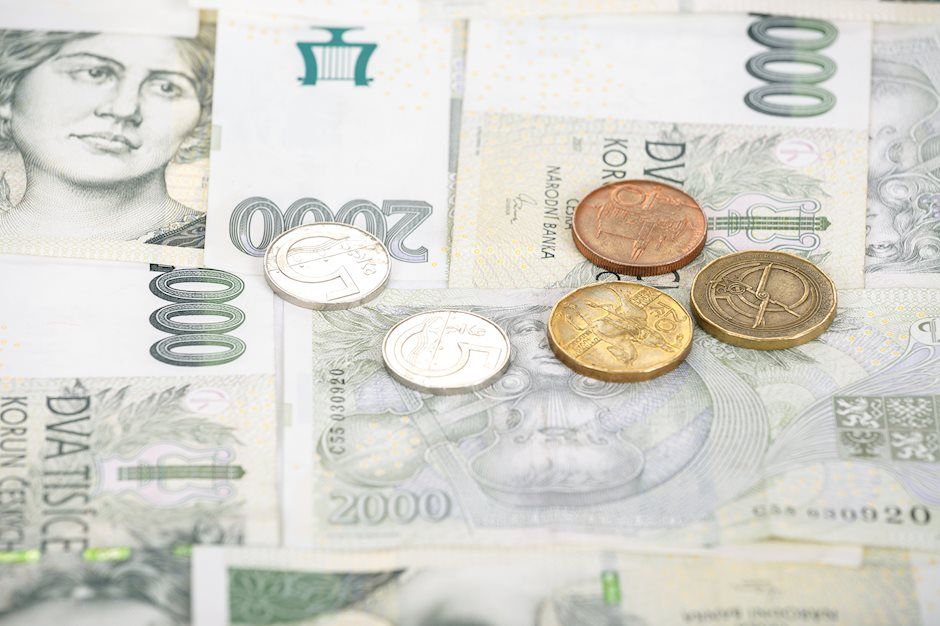
The Czech National Bank (CNB) yesterday lowered its key interest rate by 25 basis points. This had been almost certain to happen and was therefore irrelevant for the CZK exchange rates, Commerzbank’ Head of FX and Commodity Research Ulrich Leuchtmann notes.

CZK bulls seem to be right

“There was the indication that the extremely rapid interest rate cuts (from 7% in mid-December to 4¼% now) will now come to an end. Although headline inflation, at 2.4% year-on-year, seems to offer little cause for concern, core inflation, at 3.9%, is still too high, and services inflation, at 6.5%, would give me sleepless nights if I were a CNB decision-maker. A more cautious approach is therefore called for.”

“And there is still a risk that the previous extremely rapid interest rate cuts may have been too much of a good thing. Cutting the key interest rate by 275 basis points in a very short period of time is something you can only do if you are absolutely certain that inflationary pressure has eased significantly. I am always skeptical when central bankers believe they can predict the future with the highest precision. Instead of rapid interest rate cuts followed by a sudden stop, I would prefer a gradual approach.”

“In the end, the CZK bulls may be right. Either because the CNB has coincidentally found the right time to step off the interest rate cutting gas. Or because other central banks make similar mistakes. Or because the CNB is much smarter than I can imagine and can therefore actually control this timing with a high degree of certainty. I am well aware of my possible inadequacies. Let's just hope that the CNB officials are too.”

Author

FXStreet Insights Team

The FXStreet Insights Team is a group of journalists that handpicks selected market observations published by renowned experts. The content includes notes by commercial as well as additional insights by internal and external analysts.


More from FXStreet Insights Team
Share:

Markets move fast. We move first.

Orange Juice Newsletter brings you expert driven insights - not headlines. Every day on your inbox.

By subscribing you agree to our Terms and conditions.

Editor's Picks

EUR/USD rebounds after falling toward 1.1700

EUR/USD gains traction and trades above 1.1730 in the American session, looking to end the week virtually unchanged. The bullish opening in Wall Street makes it difficult for the US Dollar to preserve its recovery momentum and helps the pair rebound heading into the weekend.

GBP/USD steadies below 1.3400 as traders assess BoE policy outlook

Following Thursday's volatile session, GBP/USD moves sideways below 1.3400 on Friday. Investors reassess the Bank of England's policy oıtlook after the MPC decided to cut the interest rate by 25 bps by a slim margin. Meanwhile, the improving risk mood helps the pair hold its ground.

Gold stays below $4,350, looks to post small weekly gains

Gold struggles to gather recovery momentum and stays below $4,350 in the second half of the day on Friday, as the benchmark 10-year US Treasury bond yield edges higher. Nevertheless, the precious metal remains on track to end the week with modest gains as markets gear up for the holiday season.

Crypto Today: Bitcoin, Ethereum, XRP rebound amid bearish market conditions

Bitcoin (BTC) is edging higher, trading above $88,000 at the time of writing on Monday. Altcoins, including Ethereum (ETH) and Ripple (XRP), are following in BTC’s footsteps, experiencing relief rebounds following a volatile week.

How much can one month of soft inflation change the Fed’s mind?

One month of softer inflation data is rarely enough to shift Federal Reserve policy on its own, but in a market highly sensitive to every data point, even a single reading can reshape expectations. November’s inflation report offered a welcome sign of cooling price pressures. 

XRP rebounds amid ETF inflows and declining retail demand demand

XRP rebounds as bulls target a short-term breakout above $2.00 on Friday. XRP ETFs record the highest inflow since December 8, signaling growing institutional appetite.