China: Managing Oil shock exposure – Societe Generale
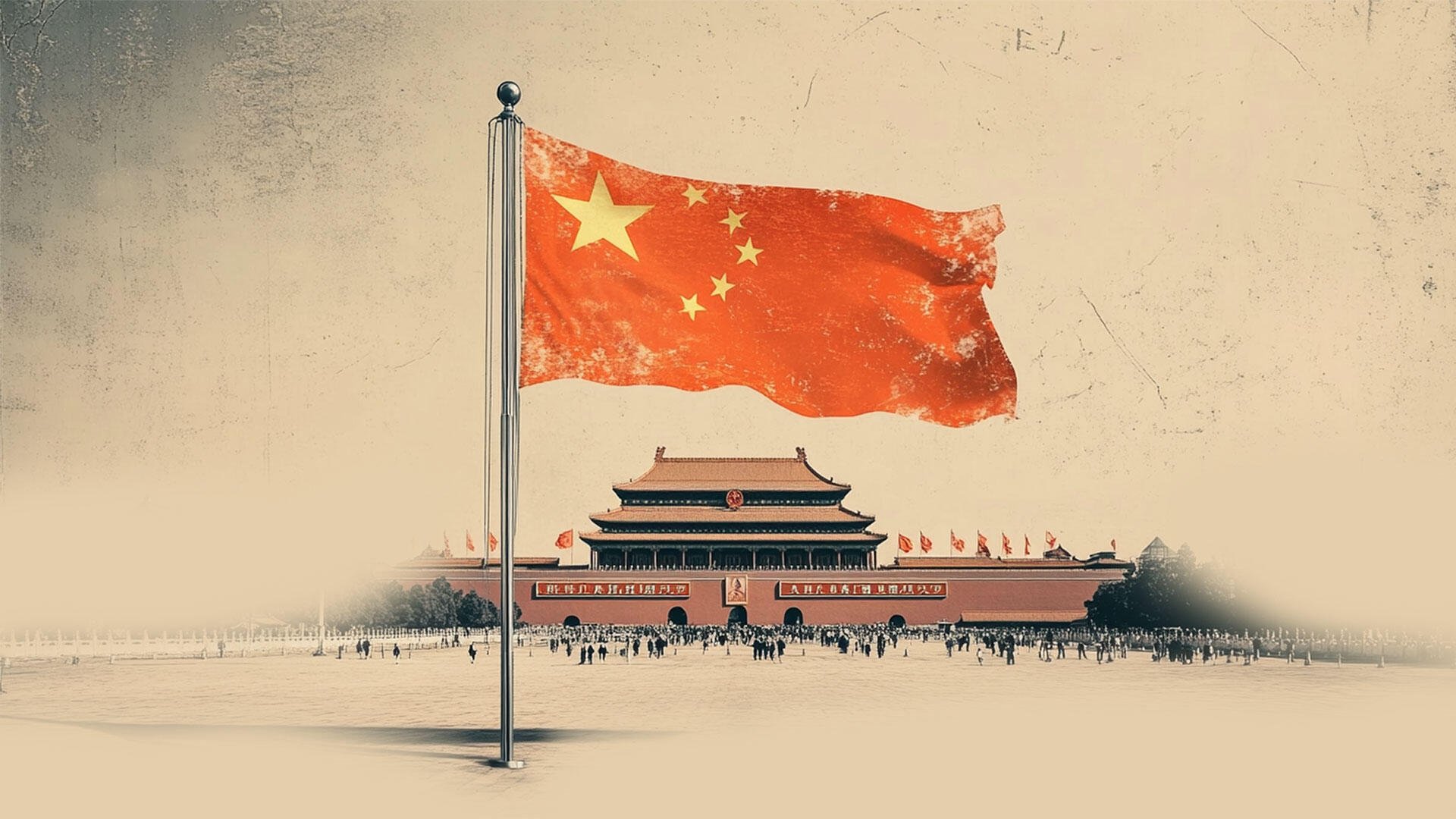
Societe Generale’s team examines China’s position in U.S.–Iran tensions, noting that Iran supplies most of China’s Oil but disruptions are manageable. With around 1.5 billion barrels of strategic reserves and access to Russian supply, China can buffer shocks, while likely criticising U.S. militarisation without intervening directly in the near term.
Strategic reserves and supply diversification
"Following the U.S. attack on Iran in June 2025, Iran’s reliance on China has increased, with average shipments to China accounting for 94% of total exports, and the UAE and Iraq making up the remainder. This is important, as China has relied on Iranian barrels but could, of course, source supplies elsewhere."
"Iran ships almost all its oil to China, which will not want to see prolonged disruptions. However, these tensions have reinforced China’s energy security strategy centred on supply diversification, stockpiling and demand substitution through electrification. "
"The Strait of Hormuz supplies around 50% of China’s total oil imports, but China has built roughly 1.5 billion barrels of strategic petroleum reserves—enough to cover around 200 days of oil imports. It has also continued to invest in additional crude storage, with capacity expansion planned through 2028. Disruptions to Iranian flows are therefore manageable for China, as refiners can draw down reserves and tap large volumes of Russian supply. China will criticise the U.S. “militarisation” of the Middle East, but it is unlikely to intervene in the near term."
"The current situation raises some obvious China‑related questions: how much additional Russian oil will now flow to China, and will the oil majors buy more? What does this mean for a potential Trump–Xi meeting in April?"
(This article was created with the help of an Artificial Intelligence tool and reviewed by an editor.)
Author

FXStreet Insights Team
FXStreet
The FXStreet Insights Team is a group of journalists that handpicks selected market observations published by renowned experts. The content includes notes by commercial as well as additional insights by internal and external analysts.














