China key driver of global economic recovery - Nomura
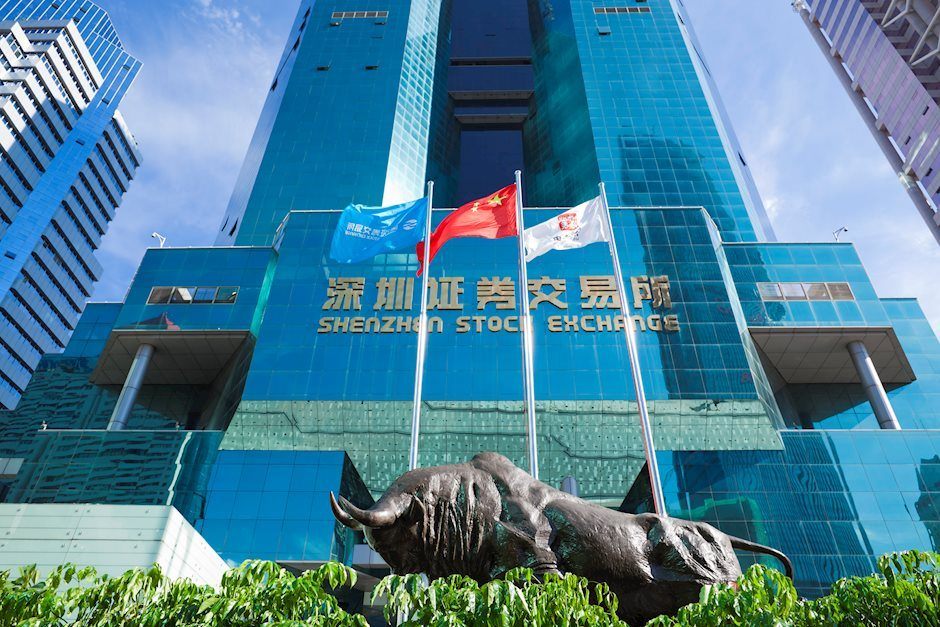

In view of Richard Koo, chief economist at Nomura, the ongoing global economic recovery be traced to China as it is clearly one of its origins.
Key Quotes
“The Chinese currency appreciated some 30% after being floated in 2005 and surged another 15% as the dollar began its ascent in September 2014. This had weighed heavily on the economy of a country so heavily dependent on exports.”
“The authorities therefore decided in August 2015 to decouple their currency from the dollar. That decision then led speculative money that had flowed into China based on the expectation of continued CNY appreciation to leave the country, sparking turmoil in the Chinese financial and forex markets.”
“This turbulence, effectively triggered by the strong dollar, also forced China to postpone the scheduled liberalization of its financial sector and its efforts to bolster the CNY’s status as a global currency. In the real economy, the job offers-to-applicants ratio, which had been improving steadily up to that point, fell sharply below trend.”
“Capital controls and fiscal stimulus drove recovery in China’s labor market
- The Chinese authorities responded by (1) tightening capital controls to curb capital outflows and (2) resuming fiscal stimulus, which they had avoided ever since the CNY4trn economic package announced in November 2008. The Chinese currency stopped falling as a result and has recently turned higher, and the job offers-toapplicants ratio has recovered to the pre-2015 trend line.
- In that sense, the various policies implemented by the Chinese authorities have finally started to bear fruit. The nation’s massive trade surpluses with the rest of the world meant that any currency weakness had built-in limits, and it would appear that market participants have finally begun to recognize that.”
Author
Sandeep Kanihama
FXStreet Contributor
Sandeep Kanihama is an FX Editor and Analyst with FXstreet having principally focus area on Asia and European markets with commodity, currency and equities coverage. He is stationed in the Indian capital city of Delhi.