|

CHF: Safe haven crown shifts to Franc – Commerzbank
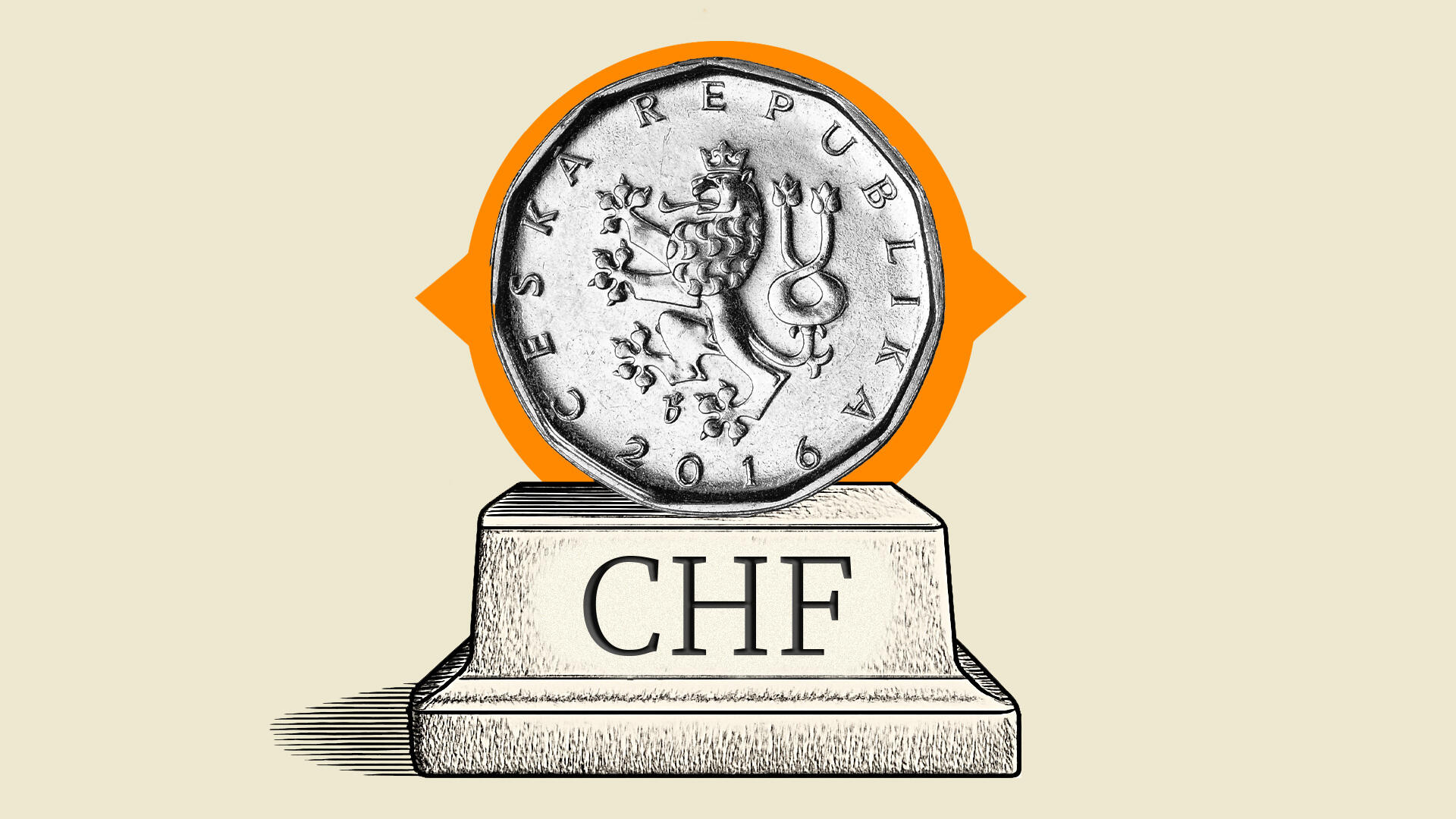
Commerzbank’s Thu Lan Nguyen says the Swiss Franc has become the ultimate currency safe haven, even ahead of the Dollar and Japanese Yen. Despite Switzerland not being a reserve currency issuer or net energy exporter, repeated appreciation in risk-off episodes and limited Swiss National Bank tools to weaken CHF support further strength if Middle East tensions escalate.

Franc seen outperforming in risk-off phases

"The ultimate safe haven among currencies at present, however, is not the US dollar but - as already observed last year - the Swiss franc."

"The franc is not the world’s reserve currency, and Switzerland is not a net energy exporter. In this case, a fourth factor comes into play:"

"Safe-haven status is a self‑reinforcing characteristic. In other words, the more frequently it can be observed that a currency appreciates in times of uncertainty, the stronger this effect becomes."

"The fact that the franc is currently benefiting in particular is due to the erosion over the past year of the status of other traditional safe havens - most notably the dollar, because of erratic policy from the White House, and the Japanese yen, due to growing fiscal concerns."

"Another point argues in favor of the franc: the Swiss National Bank now has only limited means to weaken it."

"In the event of an escalation of the crisis in the Middle East, further strength in the franc would therefore be expected."

(This article was created with the help of an Artificial Intelligence tool and reviewed by an editor.)

Author

FXStreet Insights Team

The FXStreet Insights Team is a group of journalists that handpicks selected market observations published by renowned experts. The content includes notes by commercial as well as additional insights by internal and external analysts.


More from FXStreet Insights Team
Share:

Editor's Picks

EUR/USD: Cautiously optimistic near 1.1550 ahead of the ECB

EUR/USD extends its weekly recovery for the third day in a row on Wednesday, navigating in a sidelined fashion around 1.1550 on the back of humble losses in the US Dollar. In the meantime, market participants continue to closely follow developments in the Middle East while slowly gearing up for the ECB gathering on Thursday.

GBP/USD is hawkish for all the wrong reasons

Pound Sterling was handed a gift on Wednesday and dropped it within the hour. A soft core reading inside the US Consumer Price Index report knocked the Dollar back just long enough for GBP/USD to reclaim the 200-day Exponential Moving Average around 1.3400, tagging session highs just beyond it before the entire move was methodically sold through the US afternoon to a close at the day's lows near 1.3350. 

Gold falls to multi‑month low near $4,050 as hot US inflation boosts Fed hawkish bets

Gold price tumbles to around $4,050, the lowest since November 2025, during the early Asian session on Thursday. The precious metal extends the decline as a hot US inflation report and ongoing tensions in the Middle East fueled expectations for higher-for-longer US Federal Reserve interest rates.


CFTC proposes framework to review terrorism, war, assassination-related contracts on prediction markets

The Commodity Futures Trading Commission on Wednesday proposed amendments to Regulation 40.11, seeking to establish a formal framework for reviewing prediction market contracts. The proposed framework targets contracts linked to terrorism, assassination, war, gaming, or conduct that is unlawful under federal or state law.

From sizzle to fizzle: Tech sinks as Oil puts the Fed tail back on the table
Wall Street was not hit by one punch. It was caught between three swinging doors at the same time: a renewed technology unwind, a fresh geopolitical oil bid, and a wave of equity supply that is starting to look less like capital formation and more like a liquidity test for the entire AI complex.
The US economy defies the rules: 100 days into the Oil shock and the recession signal is still missing

More than three months after the start of the Iran war and the resulting disruption to global energy markets, the US economy continues to display remarkable resilience. The conflict has triggered a sharp rise in Oil prices, reignited inflationary pressures and fueled widespread concerns about a potential economic slowdown.













