BoJ to stay the course – HSBC
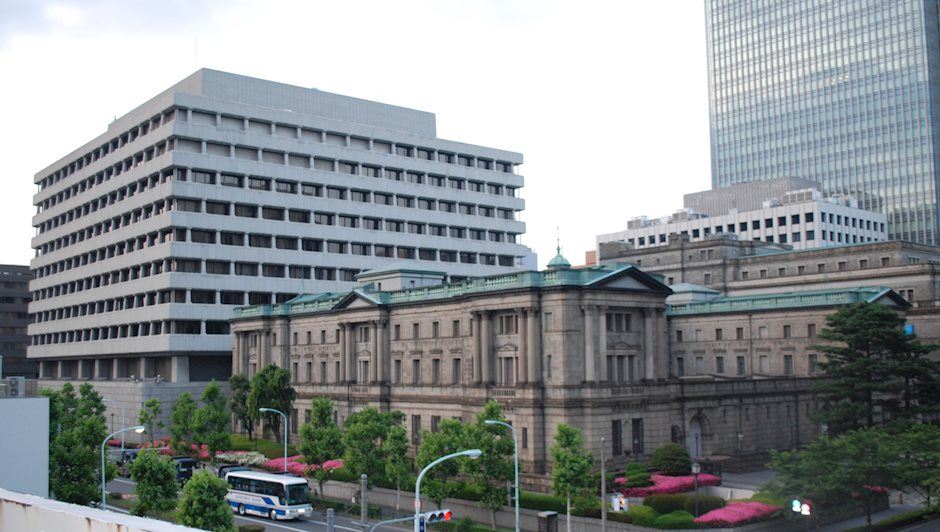

Policy continuity is key for the BoJ and any doubts about the direction of Abenomics, especially its monetary easing, could have severe repercussions in the markets and for the economy, suggests the analysis team at HSBC.
Key Quotes
“The general election results will reveal how much support the Abe government has for its economic policies, often summarized by the three arrows, and thus will shed some insight into their durability.”
“We believe the BoJ is likely to stay on hold for an extended period of time, as inflationary pressures are likely to be weighed down by structurally low wage growth. Even though the BoJ has started tapering JGB purchases, this should not impair its ability to control the 10y JGB yield and the loose monetary stance should stay broadly unaffected. If the general election result points to a continuation of Abenomics, such as the LDP and its coalition partner securing at least an absolute majority as the polls suggest, this would reduce the uncertainty around our the BoJ outlook, as PM Abe could give the current BoJ governor Haruhiko Kuroda another term or succeed him with a new face but similar mind-set regarding expansionary policy when the governor's term ends in April next year.”
“The names that have been speculated by local media reports (e.g. Sankei News), apart from Kuroda himself, are Etsuro Honda (PM Abe's economic adviser), Hiroshi Nakaso (deputy governor of BoJ), Takatoshi Ito (professor at Columbia), and Masayoshi Amamiya (executive director of BoJ).”
“On the other hand, if the current government wins a weak mandate or even loses the election, uncertainty around the medium-term monetary policy outlook will increase notably, although the chance of any immediate change seems thin. Under the assumption that the LDP wins a weak mandate, PM Abe could face internal pressures ahead of the party's leadership election in September 2018. Still, this would allow Abe to appoint the central bank governor before then. Even if the PoH were to get a surprise in in the elections – the more extreme case, according to recent media surveys –party leader Yuriko Koike has said that a sudden change in monetary policy is not preferred and that an exit strategy must be done very carefully. This suggests some short-term stability, given the circumstances, although the mention of an exit strategy itself increases the uncertainty around the medium-term outlook and could reduce the effectiveness of BoJ's policy through weaker expectations.”
Author
Sandeep Kanihama
FXStreet Contributor
Sandeep Kanihama is an FX Editor and Analyst with FXstreet having principally focus area on Asia and European markets with commodity, currency and equities coverage. He is stationed in the Indian capital city of Delhi.

















