Bank of Japan preview: No chance expected - Danske Bank
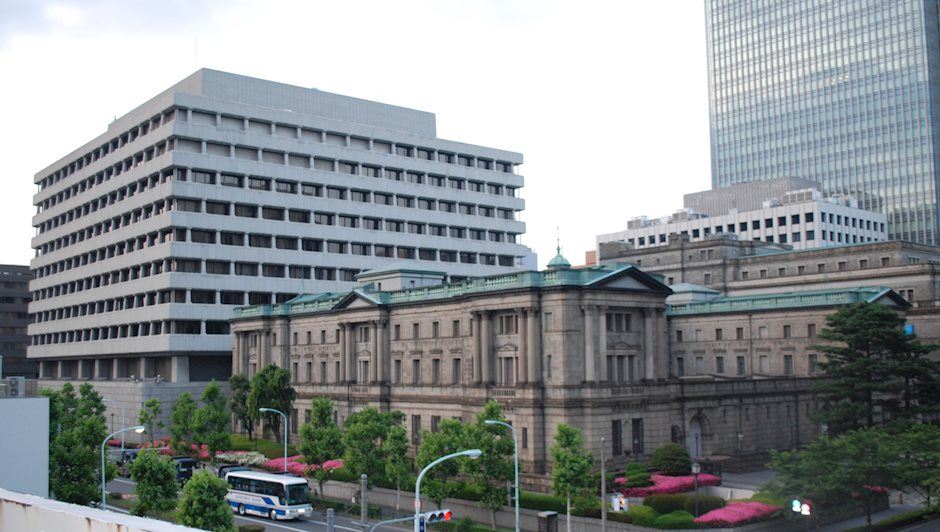

Analysts from Danske Bank, expect the Bank of Japan to keep policy unchanged on Thursday. According to them, rising political uncertainty is the main risk to BoJ’s policy.
Key Quotes:
“We expect the Bank of Japan (BoJ) to maintain its ‘QQE with yield curve control’ policy unchanged at its monetary policy meeting ending on 20 July. It is widely expected that the BoJ will keep its monetary policy unchanged, especially after it earlier this month demonstrated its strong commitment to yield curve control by nnouncing an unlimited fixed-rate purchase of 10Y JGBs. The announcement should not have any significant impact on price actions.”
“Since the previous BoJ meeting, data have been a little mixed. Exports, which have been the primary driver of economic growth in Japan for the past couple of years, showed weakening signs in Q2 following a few impressive quarters. However, Japanese exporters enjoyed a tailwind from the weak JPY in Q2 and in the recent Tankan business survey large enterprises were increasingly upbeat on exports, although expectations on domestic sales are actually the key driver in the better survey.”
“The main risk to the BoJ’s currently extremely accommodative policy stance is Prime Minister Shinzō Abe’s plummeting approval rating. Recently, it has tumbled to around 35% in the wake of a series of scandals involving Prime Minister Abe and his close political allies and accusations that he used his influence to secure the approval of a new department at a university run by a close friend.”
“While a possible change in the political leadership is not likely to affect monetary policy in the short term, a further increase in political uncertainty could potentially lead to a repricing of the BoJ further out on the curve, if markets start to speculate that Abenomics is coming to an end.”
Author
Matías Salord
FXStreet
Matías started in financial markets in 2008, after graduating in Economics. He was trained in chart analysis and then became an educator. He also studied Journalism. He started writing analyses for specialized websites before joining FXStreet.