Apple stock up, Broadcom down after CEO Tim Cook chooses own Wi-Fi chip
- Bloomberg reports that Apple is aiming to build its own WiFi/bluetooth chip by 2025.
- This would replace those chips currently supplied by Broadcom.
- AVGO stock lost over 1% in Tuesday's premarket on the release.
- Apple stock on the other hand is down but performing better relative to the NASDAQ.
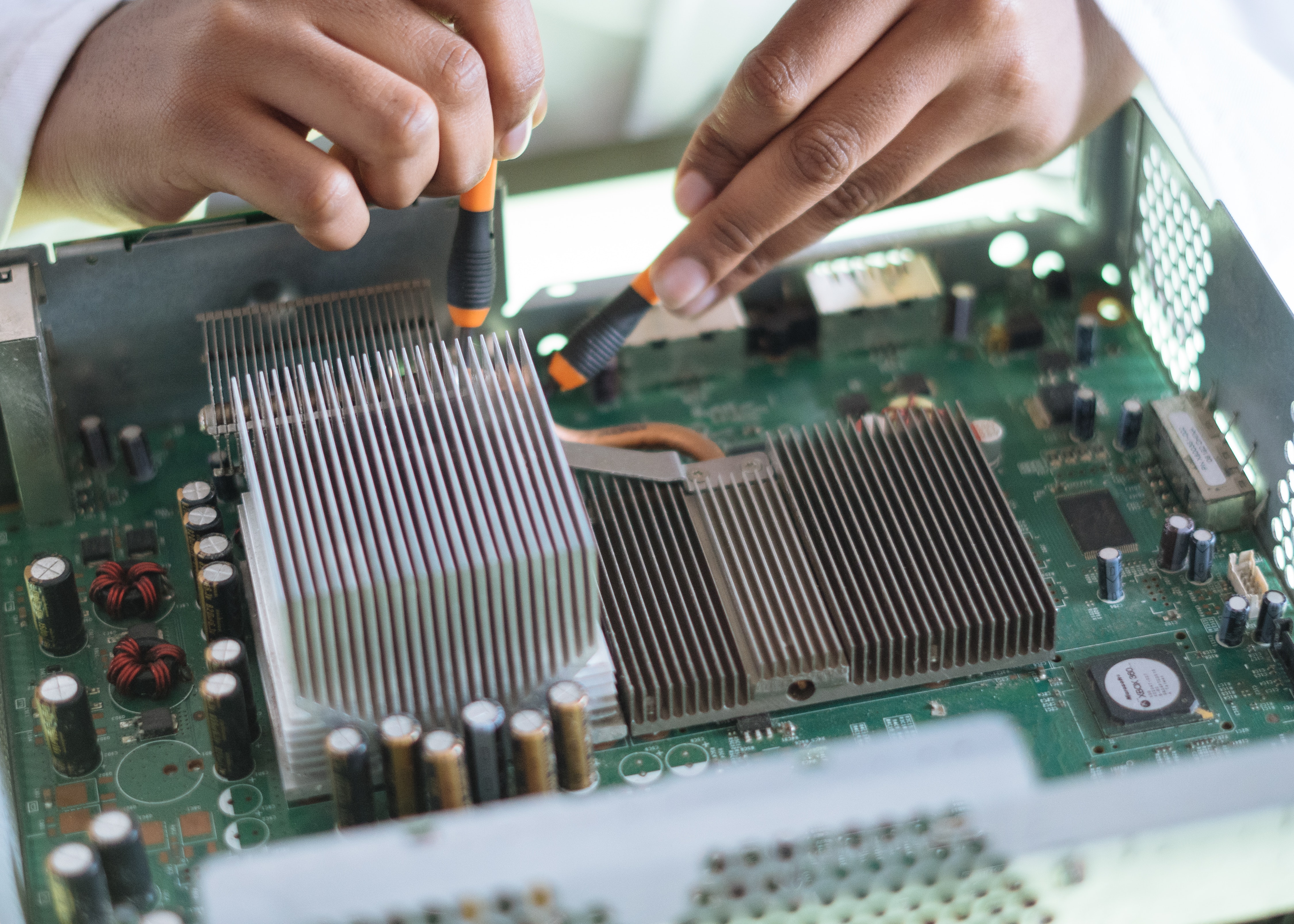
Apple (AAPL) stock is performing better than the NASDAQ in the premarket after Bloomberg reported that CEO Tim Cook's company will begin using a self-designed chip currently provided by Broadcom (AVGO) for Wi-Fi and bluetooth access by 2025. The move is a bigger deal for Broadcom, which obtains about one-fifth of its revenue from Apple. AVGO stock fell more than 1% in Tuesday's premarket, while NASDAQ futures are off 0.7% and AAPL has lost just 0.3%.
Apple, Broadcom stock news: Apple continues streak of bringing chips in house
The report in Bloomberg mentioned that besides the Wifi/bluetooth chip replacement, Apple is also working on its own design for chips that perform radio frequency and wireless charging operations currently provided by Broadcom chips. Cupertino-based Apple is Broadcom's largest customer, and the move is sure to ruffle the feathers of the latter's C-suite executives.
Apple's move comes after announcements last year that Apple will move beyond Qualcomm's (QCOM) modem chipsets in light of its own new designs. Apple also cut its reliance on Intel (INTC) chips back in 2020 by using new chips it designed for Mac computers and iPads. Apple uses Taiwan Semiconductor (TSM) to manufacture its self-designed chips.
The news report is a major loss for Broadcom, so it is somewhat surprising that AVGO stock has lost just 1% to trade near $571 in the premarket on Tuesday. Reuters quoted an analyst saying that the move would likely result in a hit to Broadcom revenue of between $1 billion and $1.5 billion. Qualcomm stock began tanking in 2021 after Apple made a similar announcement but has since formed a strategy around increasing its sales to the automotive market.
Much of the focus on Broadcom stock over the past year has surrounded its acquisition attempt of VMWare (VMW). The $61 billion deal is currently being probed by the European Commission over allegations that it would reduce competition over various hardware components used by VMWare.
Apple stock forecast
Monday's rally in AAPL stock disintegrated as soon as it reached the 21-day moving average. That aspect likely worries bulls, because the Moving Average Convergence Divergence (MACD) indicator looked to be crossing over. Now with worries over the Federal Reserve's move on interest rates holding a spectre over the market on Tuesday, equities appear to be selling off. Any move much below $125 would likely send Apple stock down to the support zone between $116 and $120 that held up back in March 2021 and has not been tested since.
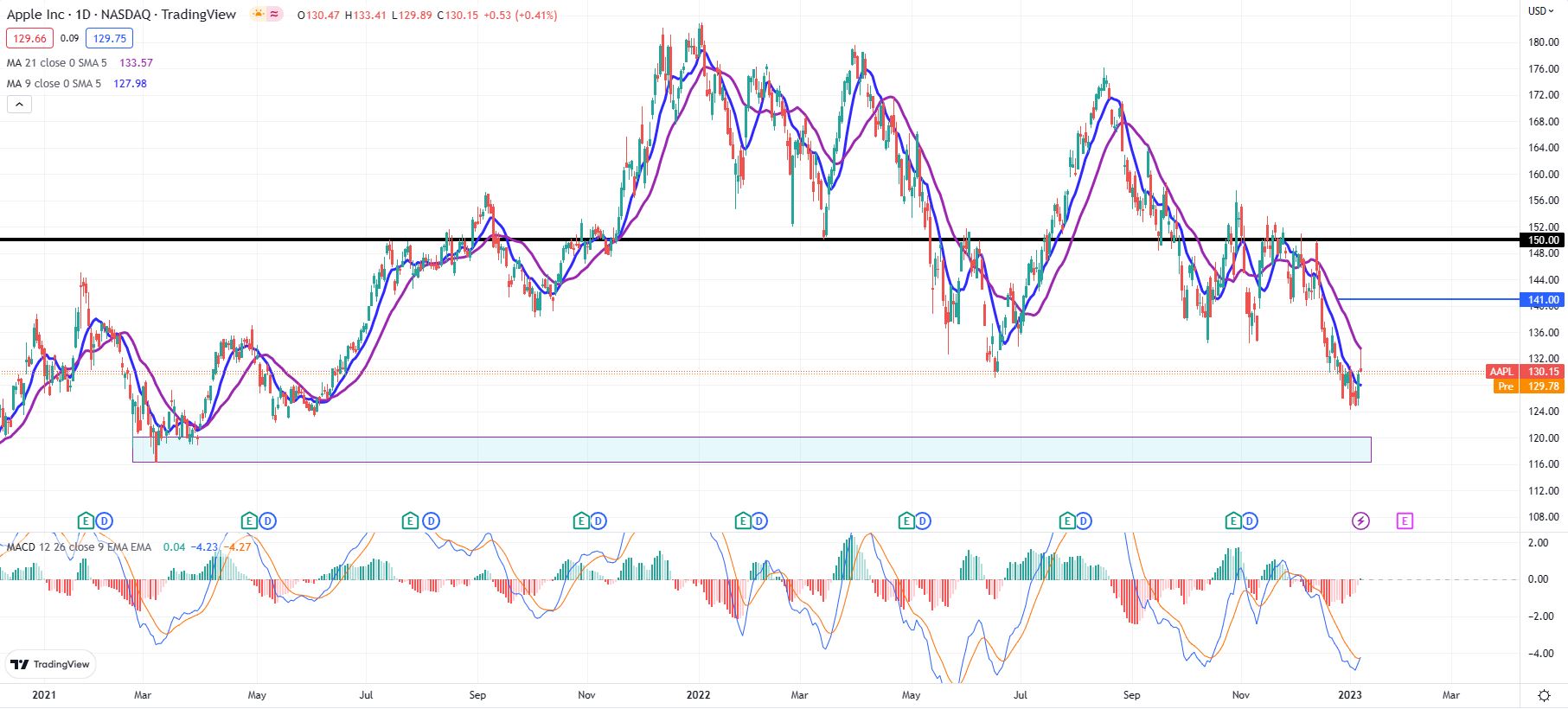
AAPL daily chart
Broadcom stock forecast
Since early October Broadcom stock has gone on a serious rally, moving from near $420 to $600. This amounted to a 43% run. That rally should now come to a close with the news from Apple. Expect AVGO stock to drop back to a historical support level now. Besides $420, which worked in October 2022 as well as March and May 2021, closer support levels like $520 and $464 are also in play. The Relative Strength Index (RSI) on the weekly chart below shows that AVGO stock has been nearing oversold territory of late, so it makes sense that a pullback would arrive in the first quarter of the year.
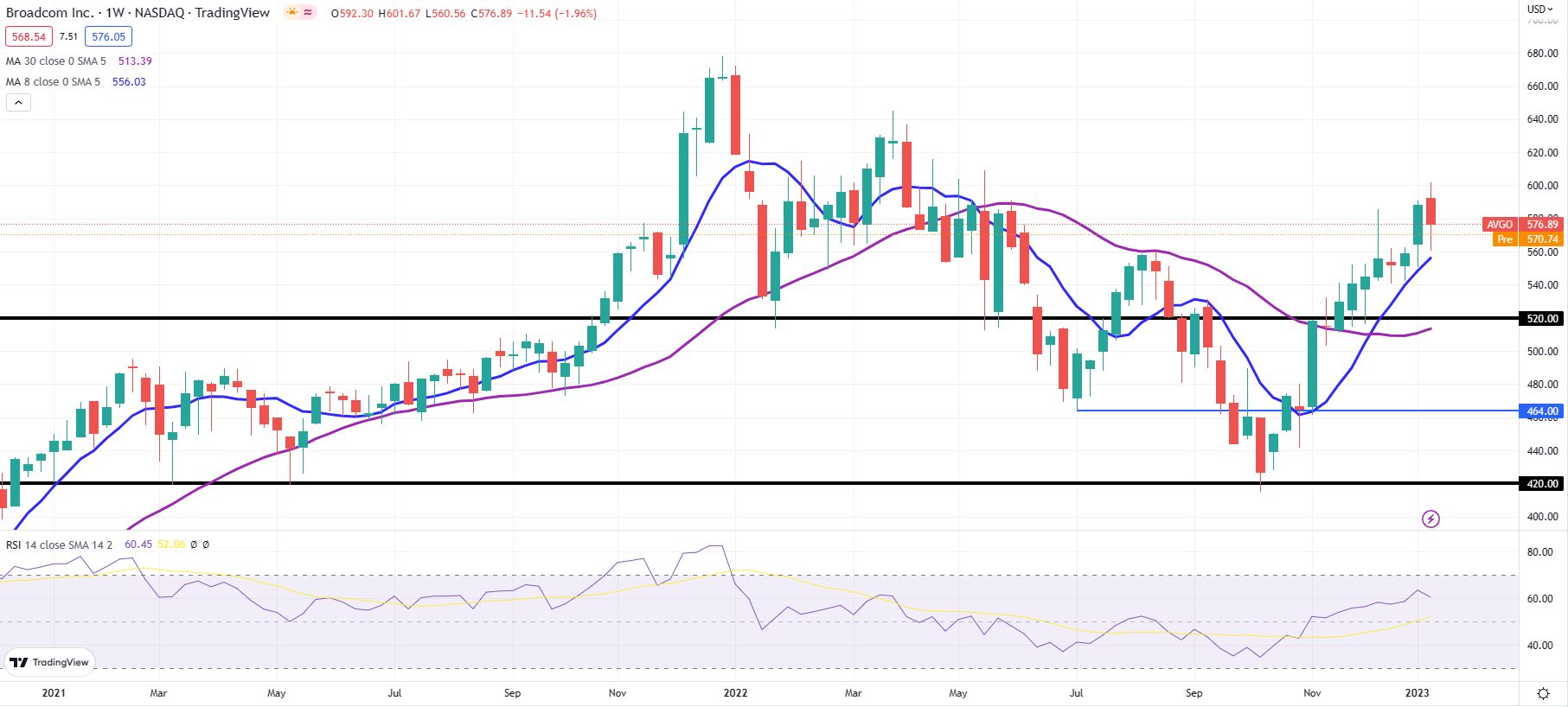
AVGO weekly chart
Author

Clay Webster
FXStreet
Clay Webster grew up in the US outside Buffalo, New York and Lancaster, Pennsylvania. He began investing after college following the 2008 financial crisis.