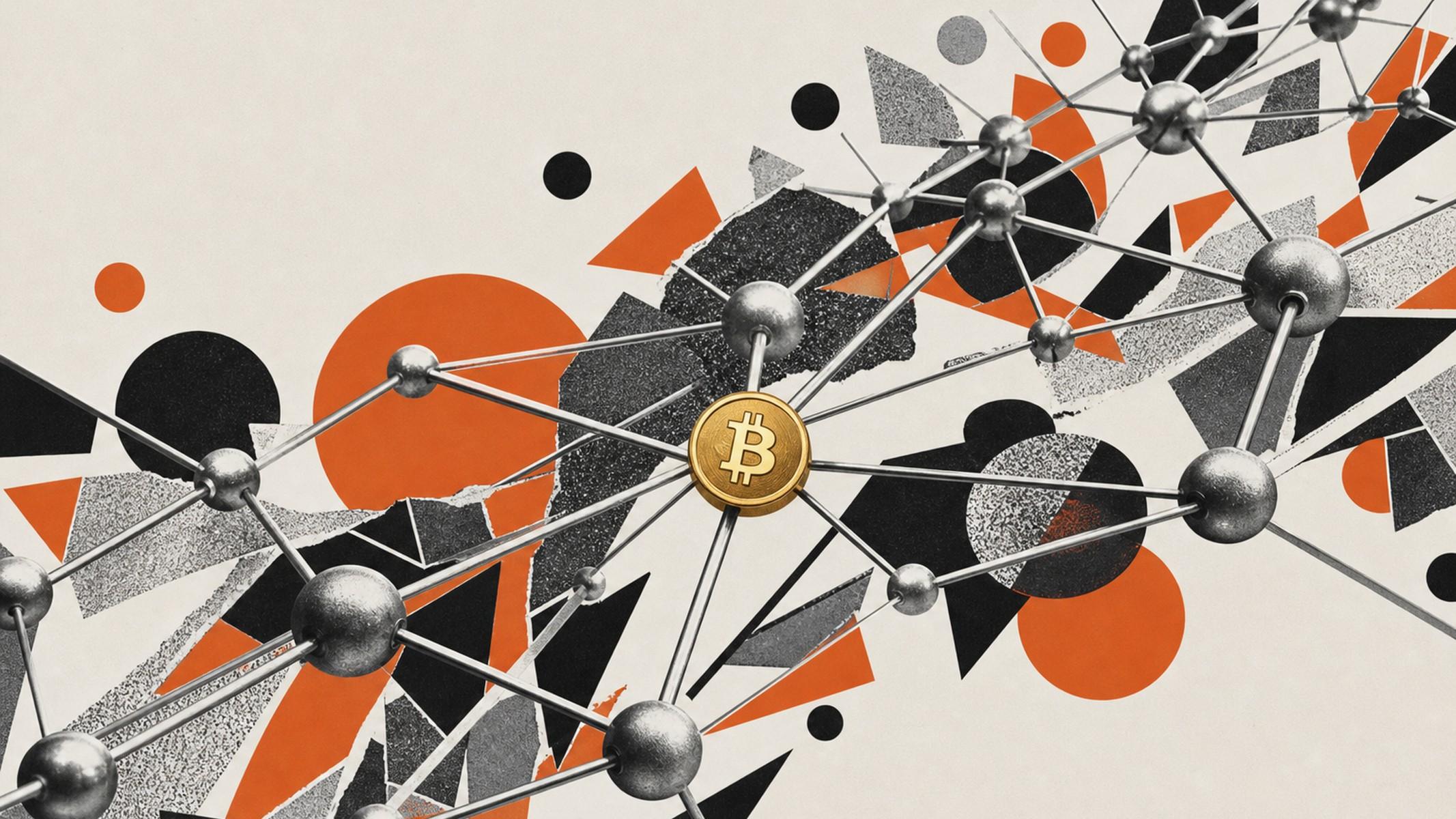
What do the Polkadot’s launch and the emergence of new Web 3.0 solutions mean for the blockchain adoption?
Web 3.0 is widely considered a great revolution for the internet, its products, and its services as we use them today. Thanks to the forthcoming launch of Polkadot and its ecosystem of parachains, there are now dozens of projects exploring new opportunities. I am very excited for many of these ventures, as they can all bring the mainstream adoption of blockchain one step closer.
The Excitement Over Web 3.0
Contrary to the current Web 2.0 infrastructure used by billions of people, Web 3.0 will embrace innovative technology. Decentralized networks, edge computing, and artificial intelligence are the main catalysts for this new wave of innovation and excitement. Putting the data and control back into the hands of the users, rather than companies and aggregators, will trigger a cascading effect, unlike anything the world has witnessed to date.
On the decentralized network's front, there is a strong focus on the blockchain and cryptocurrency industry. Both technologies have proven to be versatile and valuable for returning power to the people, whether financially or otherwise. I think it's great to see such widespread interest in blockchain to explore new benefits, particularly those that can help facilitate the growth and adoption of Web 3.0 over the coming years.
One trend I enjoy keeping an eye on pertains to metaverses. It is a segment with lots of experimentation, including virtual Gucci purses, Soul Machine's exploring Humans OS 2.0, NFT-based augmented reality to modernize the arts industry, and so forth. I am always in awe of what developers and companies try to come up with and, more often than not, succeed at. Building virtual worlds from the ground up and allowing for interaction with other virtual worlds created by entirely different teams is a compelling concept that one should not overlook.
It is essential to understand the impact this concept can have on existing products and services. Numerous companies explore this option, including F1 Delta Time, CryptopKitties, The Sandbox, and others. There are many options to explore on this new frontier, whether it pertains to non-fungible tokens, organizing business events, or anything else. The immersion in metaverses will be much more tangible than augmented or virtual reality, as it will be accessible to everyone without special hardware.
Building New Experiences
In our modern society, people constantly crave new experiences and concepts to explore. Current infrastructure hit its limits years ago, even though social media networks made it appear that wasn't the case. Among many others, I, too, grow frustrated over the growing censorship, prevention of free speech, and the removal of content for unclear reasons. None of that will be an issue with metaverses, as blockchain-based solutions allow for freedom of speech and endless content creation within the bigger metaverse.
The technology capable of knitting all of these metaverses together will play a crucial role of importance over the coming years. When big projects like Bit.Country are launched, it quickly becomes apparent there is a need for scalability, ease of use, and interoperability. That technology can be provided by infrastructure builders such as Polkadot. Under its ecosystem, there will be one "core" blockchain and several dozen parachains connected to it. It is the essence of building a metaverse with modern technology, in my opinion.
That Bit.Country venture is on my radar as it aims to create a bridge between the online and offline world. Interaction between hundreds of people in a 3D metaverse is no longer a dream, but it has become a reality. With the introduction of social activities - including virtual walks, events, and video meetings - one can assess how to best onboard regular internet users into a decentralized metaverse. Furthermore, users can create any type of metaverse experience they like through its convenient constructor. Moreover, the project raised over $4 million during its seed round, with the help of Animoca Brands, among others.
Other projects I like to keep an eye on all try to bring something extra to the metaverse. Whether it is decentralized finance, Non-Fungible Tokens, or something else, these concepts will all find their place within the broader ecosystem. A project like Wilder World or Trace Network can significantly enhance the viability and appeal of metaverses over the coming months and years. I am genuinely excited about how all of these ideas will interact with one another in the future.
Closing Thoughts
Metaverses will be a gamechanger for society, even if it may take them a while to gain traction. With the necessary infrastructure in place through ecosystems such as Polkadot, I have high hopes for overall interoperability and projects enhancing one another over time. By leveraging the potential of parachains and other parallel chain-oriented concepts, there is a high degree of interaction to explore from one metaverse to the next.
All of these individual concepts share a common goal, as they seek to empower their users in a way that is not possible today. I am a big fan of returning power to the people through solutions created by the people. The era of large corporations trying to control everything needs to end sooner rather than later. In their search of control, users will begin embracing blockchain technology to the fullest.
Author

Alex Zha
MXC Global Ltd.
Alex Zha serves as Director of Global Operations for MXC exchange, one of the largest one-stop cryptocurrency service providers in Asia. Prior to MXC, he has gathered experience at OKEx as senior Global Marketing Manager.