Tariff turmoil in Washington – What It could mean for crypto?
Rising global uncertainty and erratic U.S. trade policy may be setting the stage for Bitcoin to shine as a serious long-term safe haven.
The US introduces new tariffs – Markets react in panic
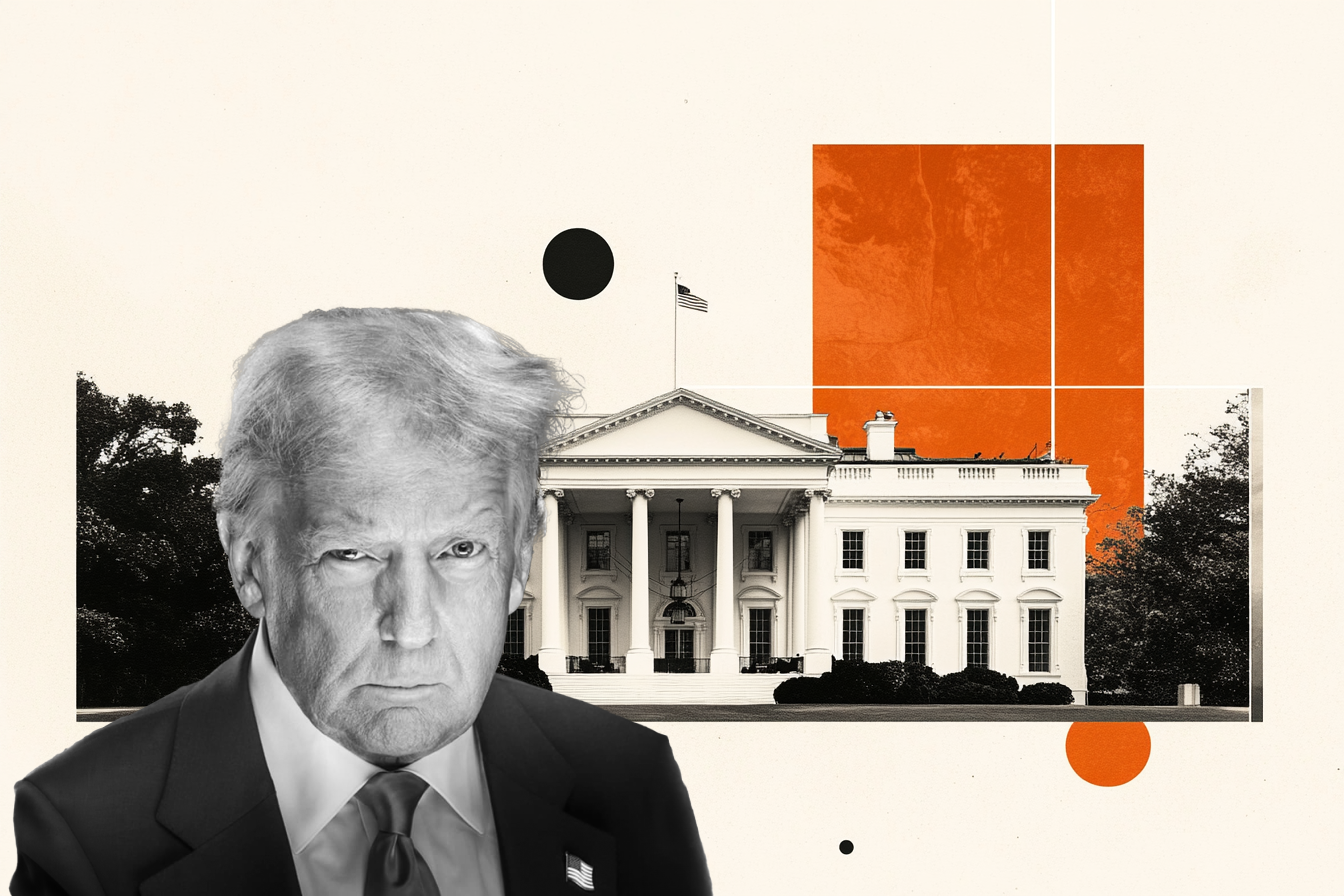
The Trump administration has unveiled a new package of tariffs, and to the market’s surprise, it’s far harsher than expected. The new measures target developing economies in particular, and the structure of the tariffs appears chaotic and unpredictable. The result? The largest sell-off on the Nasdaq since the COVID era — dropping over 5.5% — and growing fears of a looming recession.
Policy chaos – A threat to the US Dollar
These tariffs are not part of a well-thought-out economic strategy but rather a form of political theater. They’re based on arbitrarily calculated trade deficits and lack any consistent logic, leaving America’s trading partners confused. The U.S. dollar is weakening — a surprising twist for many funds that had bet on its strengthening.
Falling confidence in the dollar is bad news for institutional investors abroad. Yields on U.S. bonds are dropping as the market starts to price in a slowdown. Goldman Sachs now sees a 35% chance of recession, while Deutsche Bank pegs it at 50/50. This isn’t just a market correction — it's a macro sentiment shift.
What does this mean for crypto?
In this environment, Bitcoin and other cryptocurrencies could gain new momentum as alternatives to a manipulated fiat system.
1. Political instability = Trust in decentralized assets
When governments keep changing the rules overnight, investors look for assets that are stable and beyond political interference. Bitcoin — decentralized, global, and limited in supply — fits that need perfectly.
2. A Weaker Dollar supports crypto
Historically, a falling USD has been bullish for crypto markets. If pressure on the dollar continues, BTC and altcoins may re-enter a strong uptrend — especially as traditional asset sentiment declines.
3. Global de-dollarization + Digital alternatives
As U.S.–China tensions grow, many countries are seeking alternatives to the U.S.-centric financial system. Cryptocurrencies could be one of the tools in this transition — serving as cross-border, digital reserves.
What this means for investors
In the short term, volatility may increase. But in the long term, today’s macroeconomic turmoil may strengthen the fundamentals of the crypto market:
-
Both retail and institutional investors are searching for alternatives — and many are landing on BTC, ETH, and stablecoins.
-
Tariff chaos and political unpredictability may weaken trust in "safe" assets like the dollar and U.S. bonds — redirecting attention to digital stores of value.
-
If the Fed is eventually forced to pivot toward easing despite inflation, that could fuel a new wave of capital into risk assets — including crypto.
CoinPaprika commentary
“In a world where trade policy looks like political theater, Bitcoin and other top cryptos may be the only asset taking itself seriously.”
Markets hate uncertainty — and there’s no shortage of it now. When capital searches for safe havens, crypto could be one of the last places governments can’t easily control. For long-term investors, this might be a key moment to start watching crypto entry points closely..
Author

Jacob Lazurek
Coinpaprika
In the dynamic world of technology and cryptocurrencies, my career trajectory has been deeply rooted in continuous exploration and effective communication.