Senators unsure about Libra due to Facebook's history of ethical violations
- David Marcus, the driving force behind Libra, repeatedly talked about the potential threat posed by Bitcoin to the US dollar
- Despite the several safety and privacy compliance steps taken by the firm, the committee remained hostile

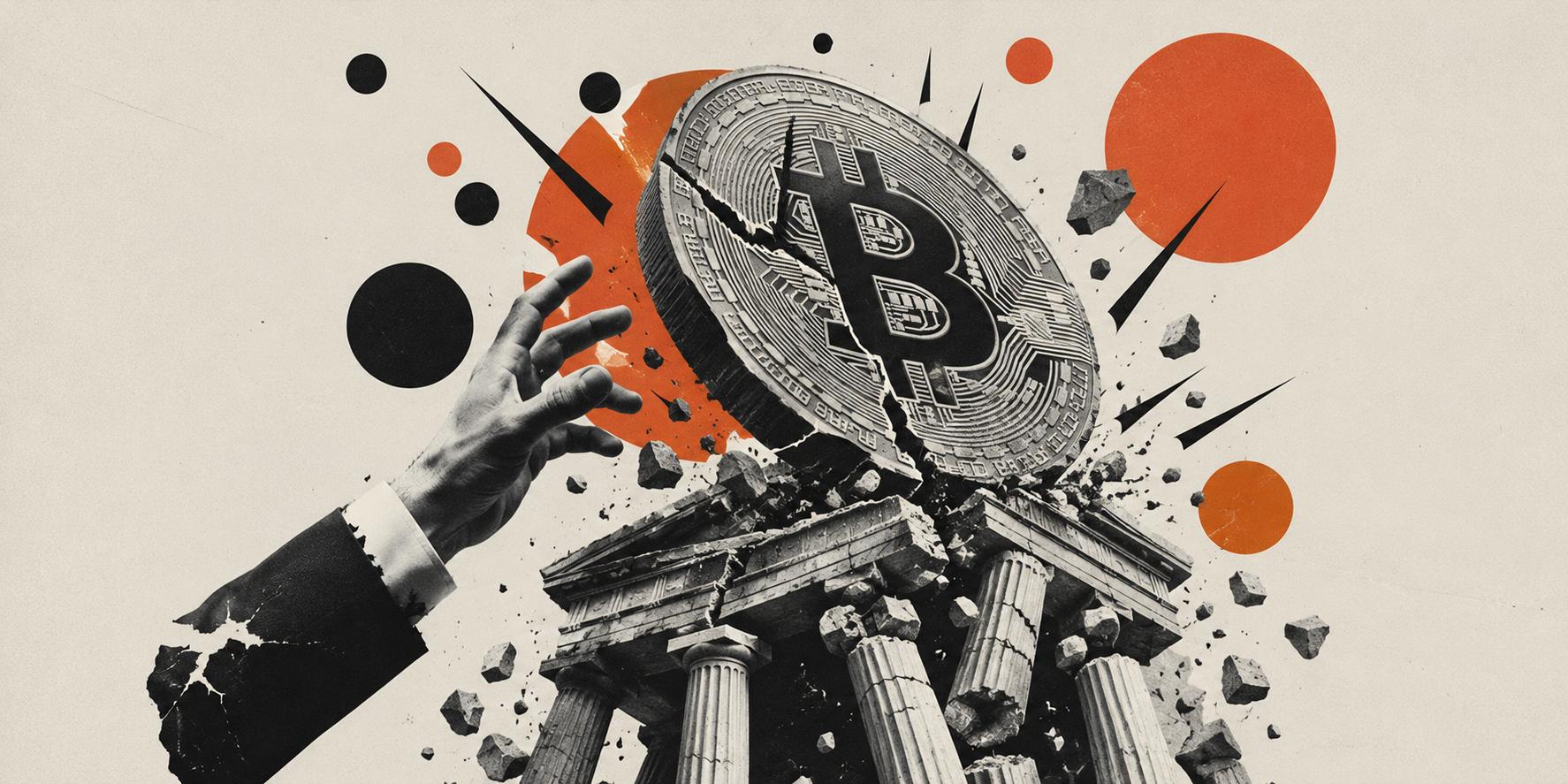
The highlight of the hearing between Facebook's Libra and the Senate was 'trust' - or the lack thereof. The head of Calibra and main driving force behind Libra, David Marcus said that if the US doesn't act quickly, Bitcoin could potentially destroy the dollar's dominance. Meanwhile, the Senate Committee had its concerns about Facebook due to its history of violation of ethics and regulations.
Recently, Marcus testified before the Senate Committee on Banking, Housing, and Urban Affairs this morning to discuss Libra and clarify the issues around it. Calibra is one of the several wallet applications that is expected to exist on the Libra network. According to Marcus and the Libra whitepaper, in the future, Libra will be lead by a non-profit consortium.
In his opening testimony, Marcus said:
“We will take the time to get this right. We expect the review of Libra to be the most extensive ever. We are fully committed to working with regulators here and around the world. And let me be clear and unambiguous. Facebook will not offer the Libra digital currency until we have fully addressed regulators concerned and have received appropriate approvals,” he continued “I believe that if America doesn’t lead innovation in the digital currency and payments area, others will. If the country fails to act, we could soon see a [crypto]currency controlled by others whose values are dramatically different from ours.”
To this, senators reacted with contempt:
“Facebook is dangerous. Facebook might not intend to be dangerous, but surely, they don’t respect the power of the technology they’re playing with,” said Sherrod Brown, an Ohio Democrat. “Like a toddler who has gotten its hands on a book of matches. Facebook has burned down the house over and over and has called every arson a learning experience.”
The committee members seemed well-informed about the potential of distributed ledger technology. Senator Pat Toomey stated:
“It’s widely premature to come to the conclusion that we have to act now to prevent what could be a very constructive innovation in financial services. I think there are tremendous potential benefits of blockchain technology and cryptocurrencies. It’s clear they could help us lower payment transaction costs, facilitate access to capital, provide pseudo-anonymity, and provide levels of security that other forms of currency have not.”
Senator Thom Tillis talked about the US taking a lead role in setting crypto regulations:
“The United States can either follow some other jurisdiction in pursuing this or we can lead it. In the same way we have the gold standard for the banking system in the United States, we have the opportunity to set an international standard that will ultimately provide greater consumer protections for a lot of the other upstart equivalents.”
The last topic Marcus was focusing on was the US's precarious relationship with the dollar and its payments infrastructure. He said that platforms like Libra are necessary if the US government wishes to retain control over the money supply and the global economy. He stated:
“If we stay put we’re going to be in a situation where in 10-15 years where we’re going to really have half the world operate, on, by the way, a blockchain-based technology [Bitcoin] that will be out of reach from our national security apparatus.”
Author

Rajarshi Mitra
Independent Analyst
Rajarshi entered the blockchain space in 2016. He is a blockchain researcher who has worked for Blockgeeks and has done research work for several ICOs. He gets regularly invited to give talks on the blockchain technology and cryptocurrencies.