Nigeria turns to crypto as inflation surges and economy struggles
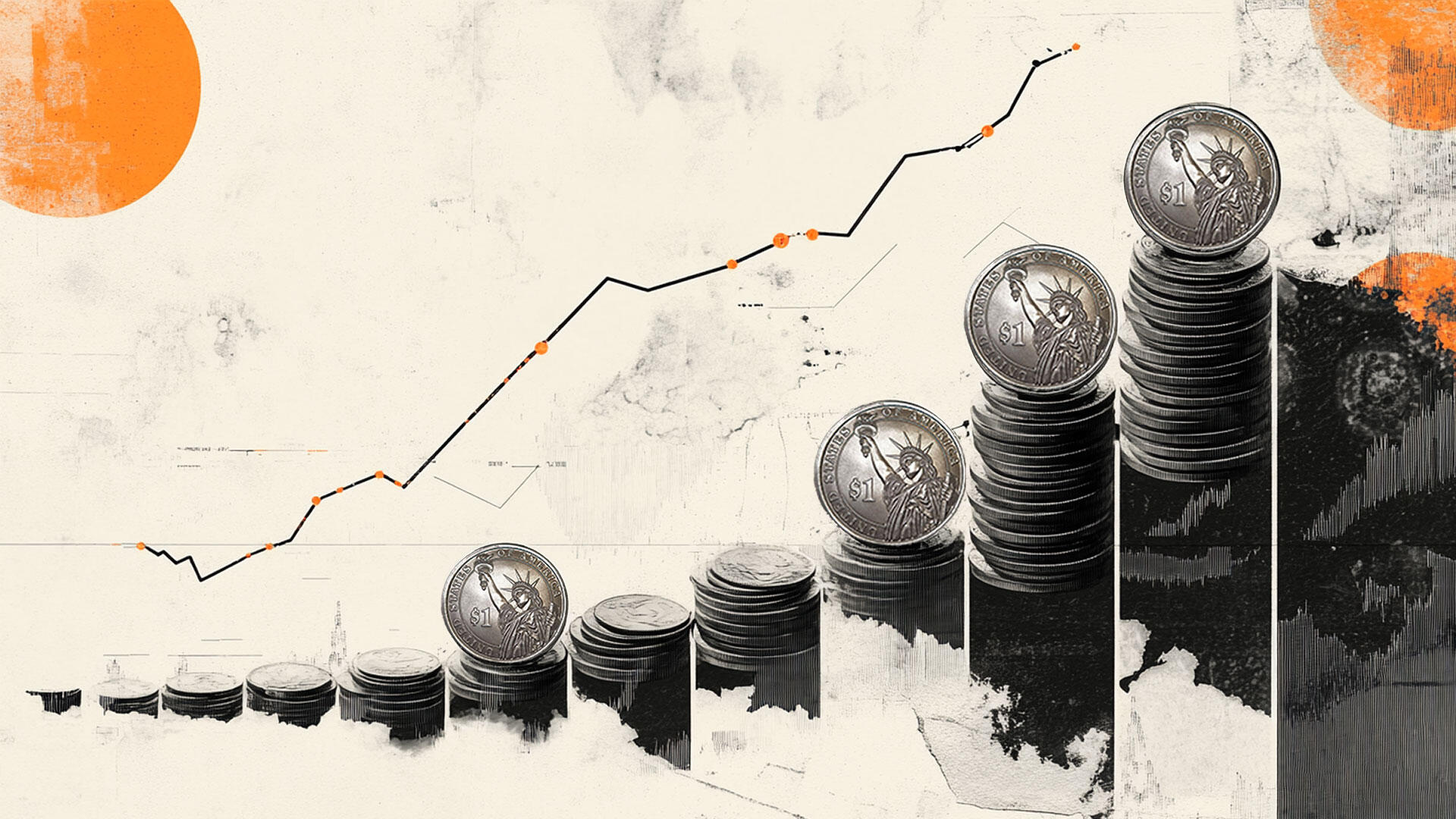
Nigeria faces soaring inflation and currency devaluation, driving citizens to cryptocurrency as a hedge, while the government moves to regulate digital assets.
Nigeria’s economy is facing a severe crisis, with rising inflation and a weakened currency creating hardships for millions of citizens. As traditional financial systems struggle, many Nigerians have turned to cryptocurrency as a hedge against economic instability. Digital assets have provided an alternative for preserving value, particularly as the country’s local currency continues to decline.
The government has introduced several economic measures to stabilize the situation, including removing fuel subsidies and unifying exchange rates. However, these policies have had unintended consequences, such as increased fuel costs and a higher cost of living. The crisis has been especially difficult for communities dependent on subsistence farming, where price volatility has made basic goods even more inaccessible.
Amidst these challenges, cryptocurrency adoption in Nigeria has surged. A report from a blockchain analytics firm highlights that digital asset transactions in the country have grown significantly over the past year. This increase reflects both a rising distrust in traditional financial institutions and a growing demand for alternative financial solutions. Many Nigerians view crypto as a way to protect their wealth from inflation, escape restrictive banking regulations, and access financial opportunities beyond national borders.
Recognizing the expanding role of digital assets, Nigerian authorities are working to regulate cryptocurrency and integrate it into the formal economy. The Securities and Exchange Commission (SEC) is currently drafting policies to oversee crypto transactions and ensure compliance with tax laws. A legislative bill focused on taxation and regulation of digital assets is under review, and there is optimism that it will soon be passed.
Meanwhile, the Central Bank of Nigeria (CBN) is actively working to stabilize the economy by addressing foreign exchange backlogs and restoring investor confidence. The bank has already cleared a portion of outstanding obligations and has plans to resolve more in the near future. Additionally, President Bola Tinubu has introduced initiatives to release food reserves and establish a commodity board aimed at preventing price manipulation and ensuring food security.
Despite these efforts, economic uncertainty remains. Many experts believe that cryptocurrency could provide a long-term financial solution if properly regulated. However, striking a balance between innovation and financial oversight is crucial to prevent potential risks associated with digital assets, such as fraud and money laundering.
Nigeria’s rapid adoption of crypto presents both opportunities and challenges. If effectively managed, digital currencies could offer financial freedom and economic resilience. However, ensuring that regulations do not stifle innovation while maintaining financial stability will be key to the country’s future. Experts argue that investment in education, particularly in blockchain and digital assets, is necessary to help Nigerians adapt to the evolving global economy.
For Nigeria, the road ahead is uncertain, but the role of cryptocurrency is becoming increasingly important in shaping its financial landscape. If managed well, it could provide millions with access to a more stable and inclusive economy.
Author

Jacob Lazurek
Coinpaprika
In the dynamic world of technology and cryptocurrencies, my career trajectory has been deeply rooted in continuous exploration and effective communication.