Ethereum Holesky test network launch delayed as network commemorates The Merge
- Ethereum Holesky test network launch was slated for September 16, marking the first anniversary of The Merge.
- However, the launch has been delayed, with the network citing “mismatching parameters.”
- The launch will still happen, making it the largest test network in Ethereum with a stark 1.46 million validator nodes.
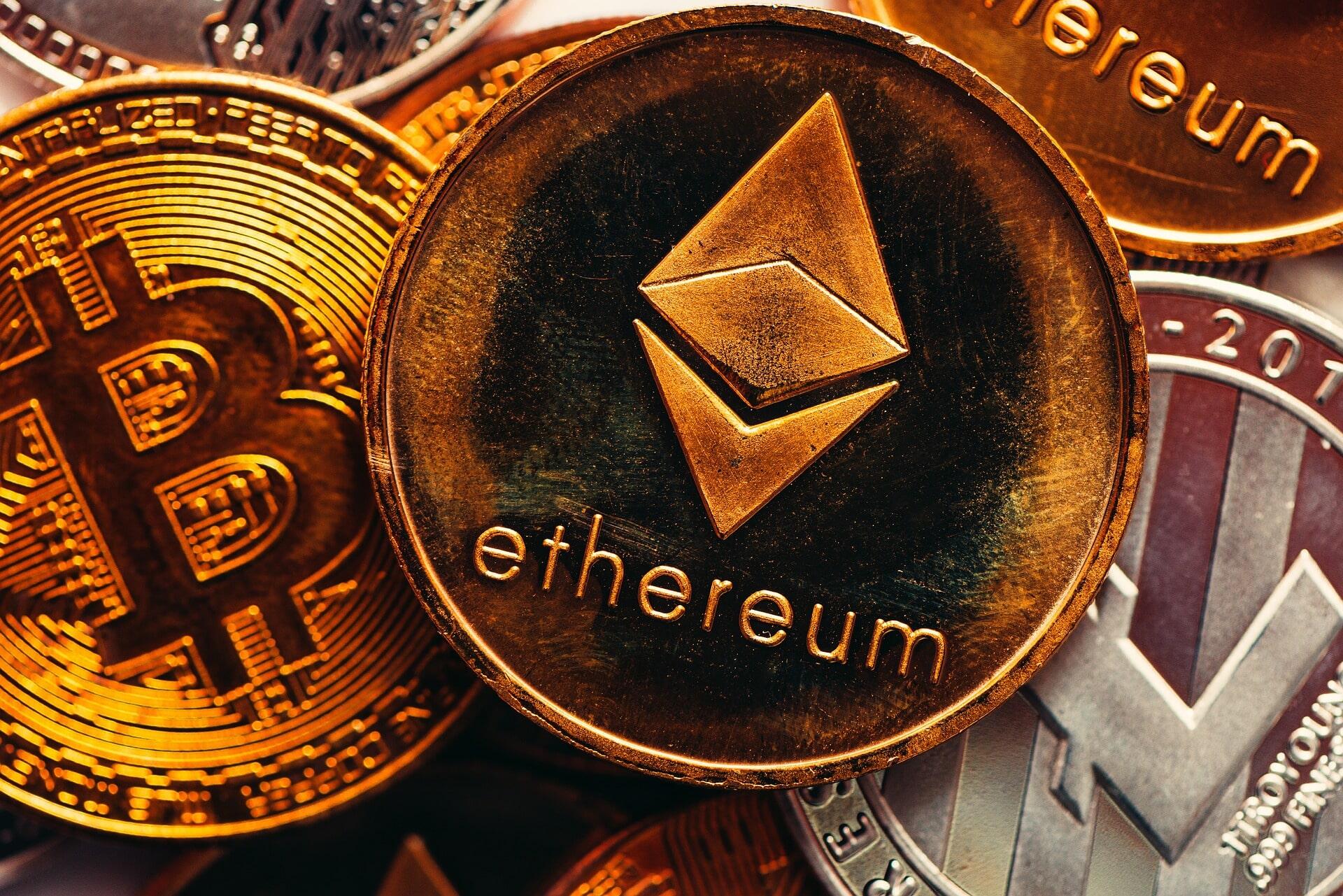
Ethereum blockchain is celebrating the one-year anniversary of the landmark Merge event with the launch of the Holesky test network. A report on GitHub indicates a slight delay but may not affect the rollout.
Also Read: Ethereum celebrates first anniversary of ETH Merge with 99.9% drop in energy usage.
Ethereum Holesky test network launch snags
In commemoration of The Merge, the Ethereum blockchain is premiering the Holesky test network, set to become the largest test network in Ethereum with up to 1.46 million validator nodes.
However, recent reports indicate a constraint that could dent the debut, with the network citing a “mismatch of parameters.” The misconfiguration caused the network to fail to launch at the expected time, alongside some other fork parameters in releases were rumored to mismatch too.
Nevertheless, the Ethereum Holesky test network’s launch plans proceeded successfully after a relaunch, marking a watershed moment for the ecosystem. This is because the 1.46 million validator nodes double the size of the main network, with Ethereum currently recording only up to 700,000 validator nodes.
Someone put 0x686f77206d7563682069732074686520666973683f ("how much is the fish?") as extra-data in the EL Holesky genesis.json, and not in the CL genesis.ssz
— proto.eth (@protolambda) September 15, 2023
Misconfiguration, network failed to launch.
Also, some other fork params in releases are rumored to mismatch too.
Need…
According to developers, smaller validator nodes (subsets) are challenging, with Goerli and Sepolia test nets ranking lower than Ethereum’s 700k.
Relevance of Ethereum Holesky test network launch
The Holesky test net launch is significant for the Ethereum chain, marking a step closer to the ETH 2.0 vision. More specifically, it delivers a blockchain with more scalability and security to the ETH community.
Scalability, in this regard, entails the ability to test infrastructure and upgrades under more intense conditions. As such, developers will likely have an easier time running tests on Holesky than ever before. Scaling issues will therefore be identified, if any, on the testnet and sorted out by developers beforehand instead of users encountering the issues on the mainnet. To do so, it is necessary to have a bigger validator node on the testnet than on the mainnet, according to Ethereum core developer Parithosh Jayanthi in a statement to CoinDesk.
Ethereum development FAQs
What is the next big Ethereum software update?
After the Merge, the Ethereum community is looking at the Sharding upgrade next, which has been slated for sometime later in the year. The development can be summarized in four words, “scalability through more efficient data storage.” The software update will increase the capacity of the blockchain, widening the amount of data that can be stored or accessed. At the same time, all services running atop the Ethereum blockchain will enjoy significantly reduced transaction fees.
What is the difference between hard fork and soft fork?
A fork is the splitting of a blockchain after developers agree and proceed to implement upgrades. The decision comes after these developers reach a consensus for a software upgrade. The ensuing part will see one part continue with the status as is, while the other one will proceed with new features combined with the former ones. A hard fork basically entails permanent divergence of a new side chain from the original one, while a soft fork is doing the same, only difference being that it is temporary.
What is EIP-4844?
EIP-4844 is an improvement proposal for the Ethereum network. The upgrade promises reduced gas fees, which is a valuable offering considering the high transaction cost that continues to daunt crypto players. It has been a long-standing concern for the Ethereum network. The proposal is also referred to as “proto-Danksharding,” with an unmatched ability to increase the speed of transactions on the Ethereum blockchain. At the same time, it helps to reduce the transaction cost as everything becomes decentralized.
What is gas in the context of Ethereum?
Gas token is a new, innovative Ethereum contract where users can tokenize gas on the Ethereum network. This means they can store gas when it is cheap and start to deploy the gas once the market has shifted to the north. The use of Gas token helps to subsidize high gas prices on transactions, meaning investors can do everything from arbitraging decentralized exchanges to buying into initial coin offerings (ICOs) early.
Author

Lockridge Okoth
FXStreet
Lockridge is a believer in the transformative power of crypto and the blockchain industry.