Wisconsin house votes overwhelmingly to end sales tax on sound money
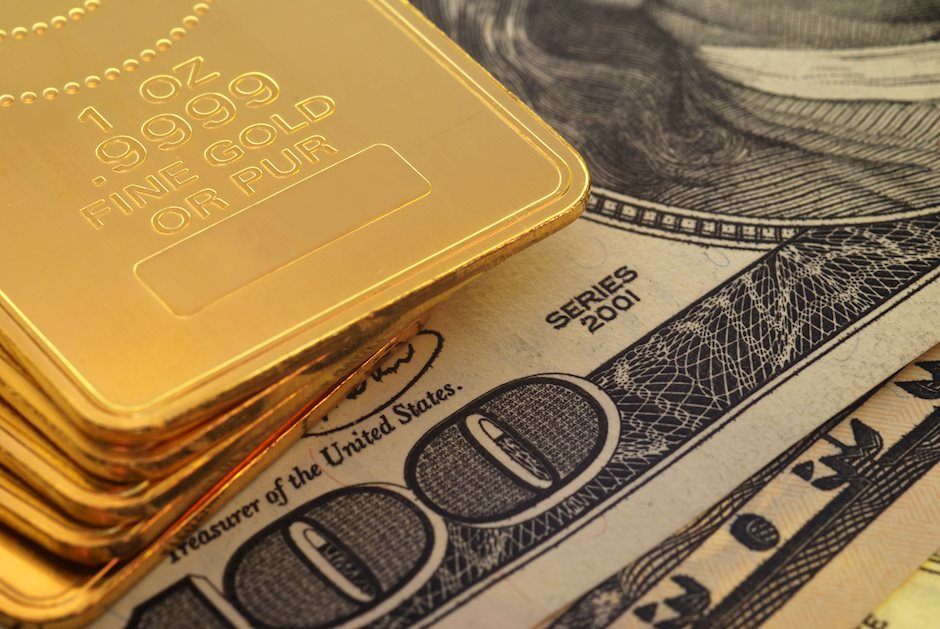

The Wisconsin Assembly just voted overwhelmingly to end sales taxes on purchases of gold and silver.
Assembly Bill 29, primarily sponsored by Rep. Shae Sortwell, just passed out of the State Assembly by a bipartisan vote of 86-12. This popular bill is cosponsored by almost two dozen other legislators and enjoys wide support – and would align Wisconsin with the policies of 43 other U.S. states.
AB 29 would exempt “precious metals bullion,” defined as coins, bars, rounds, and sheets that contain at least 35% gold, silver, copper, platinum, or palladium.
Imposing taxes on the exchange of Federal Reserve notes for monetary metals (i.e. gold and silver) has become an unusual and outmoded practice in the United States... only 7 states still engage in it.
Passage of these bills would remove a major disincentive to holding gold and silver -- a move that has become especially pertinent at a time when inflation is ripping through the economy and wreaking havoc on family budgets.
Article 1, Section 10 of the U.S. Constitution prescribes that gold and silver are money, and imposing a tax on the exchange of one money for another is inherently illogical. But there are other strong public policy reasons why so few states still impose sales tax on precious metals purchases:
- Levying sales taxes on precious metals is inappropriate. Sales taxes are typically levied on final consumer goods. Computers, shirts, and shoes carry sales taxes because the consumer is "consuming" the goods. Precious metals are inherently held for resale, not "consumption," making the application of sales taxes on precious metals inappropriate.
- Studies have shown that taxing precious metals is an inefficient form of revenue collection. The results of one study involving Michigan show that any sales tax proceeds a state collects on precious metals are likely surpassed by the state revenue lost from conventions, businesses, and economic activity that are driven out of the state.
The harm is exacerbated when you consider that all of Wisconsin’s neighbors (Minnesota, Iowa, Illinois, and Michigan) have already stopped taxing gold and silver. This harms in-state businesses. Tennessee ended this tax in 2022, and Arkansas and Ohio eliminated this tax in 2021.
- Taxing precious metals is unfair to certain savers and investors. Gold and silver are held as forms of savings and investment. Wisconsin does not tax the purchase of stocks, bonds, ETFs, currencies, and other financial instruments.
- Taxing precious metals is harmful to citizens attempting to protect their assets. Purchasers of precious metals aren't fat-cat investors. Most who buy precious metals do so in small increments as a way of saving money. Precious metals investors are purchasing precious metals as a way to preserve their wealth against the damages of inflation. Inflation harms the poorest among us, including pensioners, Wisconsinites on fixed incomes, wage earners, savers, and more.
More than a dozen states have introduced pro-sound money legislation in 2024 so far, including Alaska, Indiana, Iowa, Georgia, Kansas, Kentucky, Missouri, New Hampshire, Nebraska, New Jersey, Oklahoma, Vermont, and West Virginia.
Author
JP Cortez
Sound Money Defense League
Jp Cortez is the Executive Director of the Sound Money Defense League, an internationally-renowned organization working to remonetize gold and silver in the U.S. through nationwide legislative efforts since 2014.