Where The Fed May Be Wrong
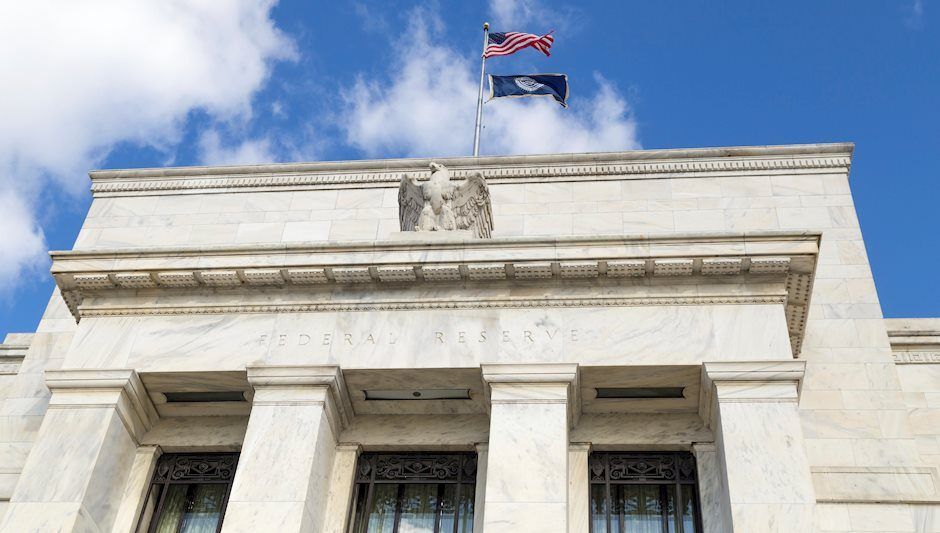

The financial markets shot down the notion that the Fed delivered a dovish rate hike at the December FOMC meeting. The yield curve flattened, the dollar strengthened and the stock market sold off sharply
Caught Between A Rate Hike and A Hard Place Recessions are typically triggered by policy mistakes and the Federal Reserve may very well be on the road to making one. The policy statement that accompanied the Fed’s latest rate hike attempted to allay fears the Fed would tighten too much by acknowledging the economic outlook has diminished and that the balance of risks was now roughly even. FOMC participants also slightly lowered their expectations for the federal funds rate and now call for just two rate hikes in 2019 and one more after that, while the drawdown of the Fed’s balance sheet is expected to remain on auto-pilot at $50 billion a month in 2019.
The financial markets provided some powerful real-time feedback to the Fed. Stocks had rallied just before the Fed’s decision was released, gave back their gains after digesting the policy statement and then sold off heavily during Chairman Powell’s testimony. The yield curve also flattened further and remains inverted between the two- and five-year notes. The markets shot down the Fed’s dovish tightening because they feel economic growth may not be as strong as the Fed believes and is certainly not strong enough to hold to the notion that monetary policy, in its entirety, remains short of neutral.
Economic growth may not be as ‘strong’ as the Fed believes. The strength in the U.S. economy has been narrowly focused, with the energy and technology booms accounting for a disproportionate share of economic growth. Both sectors now appear to be slowing, with the former struggling under the weight of sluggish global economic growth and lower oil prices, while the latter is facing an onslaught of government oversight concerning privacy concerns and anti-trust matters. Growth in the more cyclical parts of the economy is also slowing, with demand for home sales and capital goods flagging for the past few months.
The Fed’s confidence about the strength of the economy may be grounded in the satisfaction that the unemployment rate remains so low at just 3.7%. The unemployment rate is a lagging indicator, however, and monetary policy works with a long and variable lag. Moreover, the IT revolution and growth in online job search platforms have likely changed the way job seekers interact with the labor force. This may help explain why the surge in job openings has not led to a resurgence in wage increases.
The Fed may also be underestimating the impact the drawdown of the Fed’s balance sheet and continuation of enhanced forward guidance are having on global liquidity. Both policies were projected to have strong positive effects when they were implemented. Why wouldn’t they have an equally strong impact now that they are headed in the other direction? Moreover, the high degree of certainty the Fed has displayed that these policies will continue, effectively on auto-pilot at a time that growth is decelerating, has sent a foggy message to the financial markets, which has likely increased uncertainty— hence the rush out of stocks and into bonds and the dollar.
Author
Wells Fargo Research Team
Wells Fargo

















