When liquidity becomes the new frontier

Asia walked in this morning like a trader who’s read the script too many times — a touch of optimism in the eyes, but the chart in front of him already traced with familiar lines. Once again, the region’s equity pulse was set by the great American algorithm — not code, but belief — that the AI boom remains unbroken, that megacap earnings can still carry an index bloated by its own winners. The MSCI Asia gauge edged higher, carried by the same silicon tide that has powered global markets all year, yet beneath the surface the breadth was fractured: Japan and Korea led the charge, but more names fell than rose. The Nikkei and Kospi climbed anyway — perfect metaphors for a market that’s long since divorced narrative from internals.
SK Hynix and Advantest surged on earnings strength, the latest in a line of chipmakers cashing in on the world’s obsession with compute. And then came the new spark — not from a balance sheet, but from a microphone. Trump’s comment that he plans to speak with Xi Jinping about Nvidia’s Blackwell chip sent the name roaring in offshore trading, triggering a wave of futures buying from Hong Kong to Chicago. Once again, geopolitics and gigaflops found a way to merge into a single tradeable meme — call it the fusion of silicon and diplomacy.
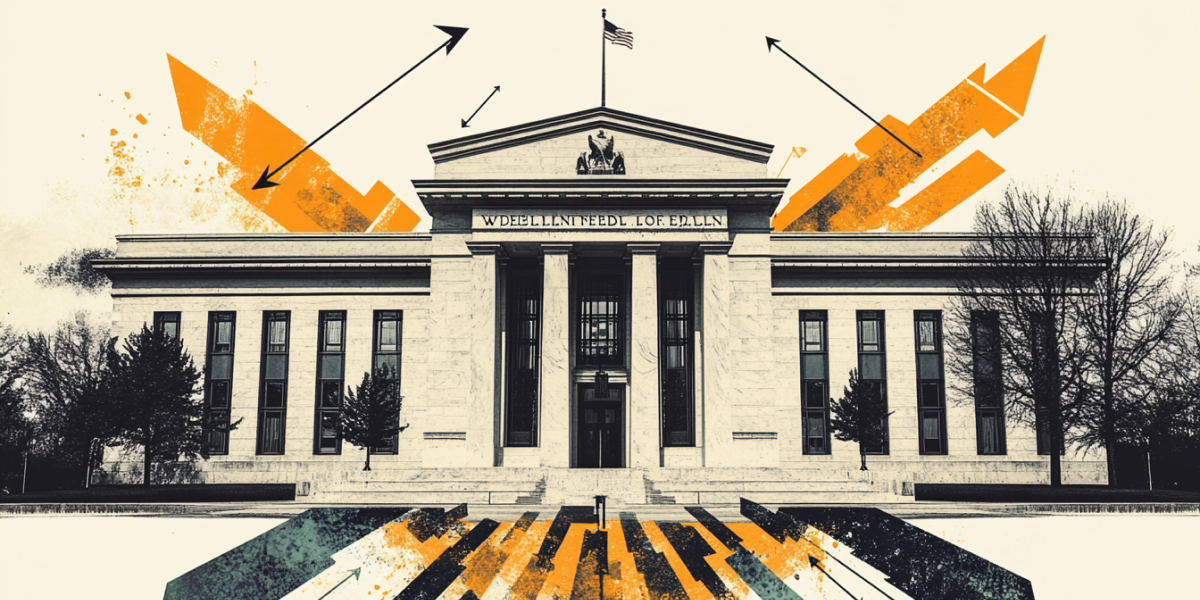
But what really animated the day wasn’t chips or chatter — it was the whisper running through every trading desk from Singapore to New York: that the Fed’s next move may mark the quiet end of quantitative tightening. The futures market has already priced in a quarter-point cut to 3.75–4.00%, but the real intrigue lies in what comes after. The liquidity backdrop — that invisible plumbing system of modern finance — has started to creak. Usage of the Fed’s standing repo facility has spiked back to pandemic-era levels, suggesting that “abundant liquidity” may have quietly morphed into merely “ample.” In central bank speak, that’s the difference between plenty and enough — and when funding costs begin to edge higher, it’s enough to give policymakers pause.
Traders know this dance well. QT and QE are just the yin and yang of modern monetary control — one drains the punch bowl, the other refills it. Since 2009, the Fed has toggled between them like a DJ adjusting volume to match the crowd’s mood. QT removes reserves from the system as bonds roll off; it’s financial dehydration by design. But when the music starts to thin — as it did in 2019 when repo rates spiked above target — the Fed remembers the lesson: never let the floor go dry.
That’s why this meeting may be far from the “low-impact” event consensus suggests. The cut is priced, but the tone — that’s where the real money will trade. If Powell hints at an early end to QT or even flirts with balance sheet expansion, it could mark the start of a regime shift — the pivot from restraint to reassurance. Think of it as a liquidity insurance policy against a market that’s too leveraged to fail quietly.
Meanwhile, Asia’s traders are front-running that possibility. They’re buying the rumor that global liquidity will ease just as tech earnings reaffirm the AI super-cycle. Yet there’s a knowing edge to it — the kind that comes from too many false dawns. They remember that last time breadth diverged this sharply, momentum cracked under its own weight. But this time feels different, at least for now: QT is ending, rate cuts are beginning, and liquidity — the lifeblood of modern markets — might soon flow again.
So Asia closes its session with that familiar mix of hope and calculation. The machines are still humming, Trump’s microphone is still moving markets, and the Fed’s balance sheet — the most powerful chart in global finance — might be about to expand again. In a world built on borrowed confidence and artificial intelligence, traders don’t need certainty; they just need the next infusion of liquidity. And that, it seems, is coming sooner than most care to admit.
Author
Stephen Innes
SPI Asset Management
With more than 25 years of experience, Stephen has a deep-seated knowledge of G10 and Asian currency markets as well as precious metal and oil markets.

















