What if Bitcoin is Fool’s Gold?
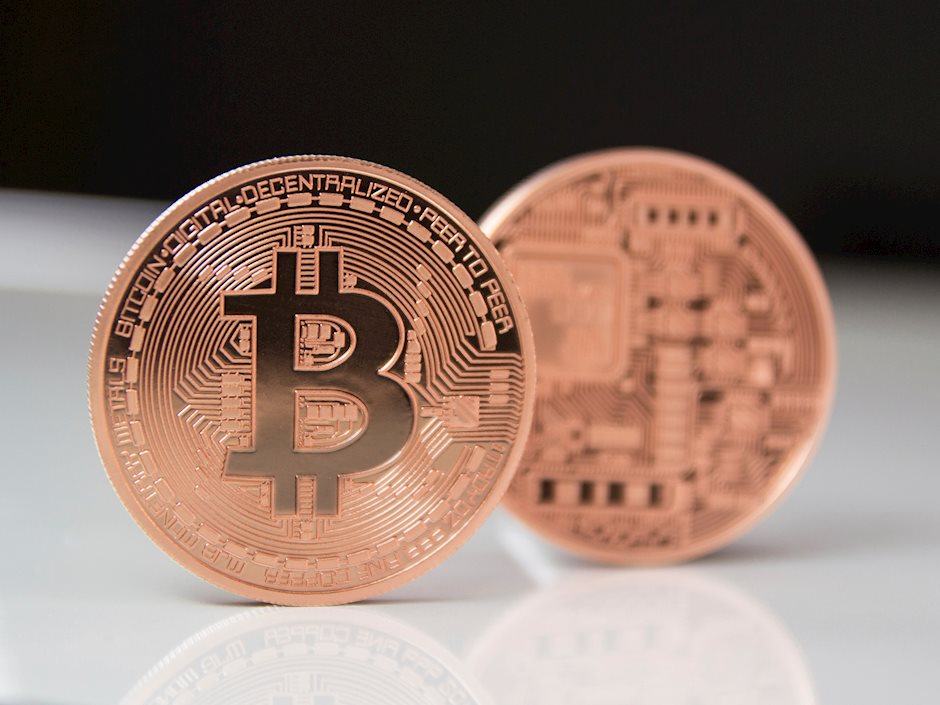

How many currencies do you carry in your wallet?
OK, I’m showing my age. I actually have a wallet. And I carry it. Mostly.
Inside, you’ll find a couple of credit cards, an odd receipt or two, and greenbacks. I live in the U.S., so I use dollars.
But I also carry my smartphone, and I use Apple Pay wherever possible. I’m not geeking out, I just try to rack up points on my cashback credit card, and tapping my smartphone is a lot easier than dragging out my credit card and dealing with finicky swipe readers.
I don’t carry euros or pounds, except for when I travel to countries where those are the main currencies. But for the past five or six years I could’ve carried bitcoin, a cryptocurrency, and actually used it to buy stuff.
There have been, and still are, other digital and alternative currencies besides bitcoin, but it seems to be the most prevalent of the bunch. Still, I don’t have any of it. I don’t see the point.
In its current form, the currency becomes the asset, and that can’t last.
When bitcoin came out during the financial crisis, most everyone I know hated the government. We hated officials because they didn’t regulate the fraudulent bankers before the meltdown occurred, and because they used our tax dollars to bail the criminals out of their financial mess.
The final insult was that none of them went to jail, and we were stuck with extraordinarily low interest rates for a decade to ensure that the banks would survive. (Now I’m getting mad all over again. Better get back to bitcoin.)
The cryptocurrency offered an attractive alternative. Use a digital currency controlled and issued by no one that allowed anyone on the planet to examine all exchanges, eliminating fraud.
In addition, the currency would be available anywhere a consumer could connect to the internet, as well as on physical memory devices if desired.
And only a set number of the units would be produced… ever. No more games with monetary policy. No more bad banking decisions. Just simple, straightforward currency.
It sounds so good! And it is, but some of its main features turn out to be unfixable bugs. The limited supply and fluctuating price kill the deal.
Because there are so few bitcoin available – and anticipated, with a cap of 21 million units to be issued – the mere fact that more people use the currency makes it less affordable.
The more we buy it, the higher the price. Arguably the value of goods and services remain stable, so this means current holders of bitcoin experience a gain in purchasing power. This motivates people to simply hold the currency, not use it as was intended.
Beyond simply units of exchange, currencies are supposed to function as storehouses of value. That means they remain stable when compared to a basket of goods over time, understanding that individual goods, like oil and wheat, can fluctuate dramatically based on factors such as weather and geopolitics.
If the currency itself becomes the asset, consumers will simply hoard the currency. If they don’t use it for transactions, that limits our investment in other, more productive areas.
Today, people are more interested in holding bitcoin for appreciation than using it to replace their home currency.
If there were any way to assure that bitcoin would continue its upward trajectory, everyone would be a bitcoin investor, not a bitcoin user.
But, as we do this, we’re robbing the traditional economy of investment, no longer buying bonds that support cities, or stocks that drive the private sector, or even holding funds in bank accounts that will serve as the basis for a loan for the next borrower.
And there’s the flip side.
As we free ourselves of dollars – or yen, euro, or whatever – those currencies will diminish in value, cutting into the purchasing power of everyone left holding the relics, and also eating away at the value of earned income (assuming it’s still paid in national currency).
Suddenly the world becomes separated into the digital haves and the digital have-nots.
This game continues until people like me have bought all they want… and then something really bad happens. Without continued demand, the price drops.
Suddenly this currency-turned-asset becomes a liability.
And, suddenly, we have a big “What if?” scenario on our hands, the type that my colleague Lance plans to talk about next week. (Click here to put his special presentation on your calendar.)
By then, I, along with everyone else, must decide whether to hold or sell. Many people will sell, causing a panic stampede out of the cryptocurrency, killing its value as an asset.
Then what would it be? A great idea of how to manage a currency that no one will touch because they can’t afford the volatility.
The problem with currency is that unless it grows in conjunction with an economy, it becomes a force for either inflation or deflation.
If we print a lot of it like, say, most central banks on the planet, we create inflation. Everyone understands that today. But if we don’t print enough, money becomes more dear, driving down prices, and money becomes the asset.
This can be just as devastating as inflation… just ask anyone who lived through the Great Depression.
The ideas behind bitcoin are laudable, but it’s not the answer to our currency woes.
Author
Dent Research Team of Analysts
Dent Research

















