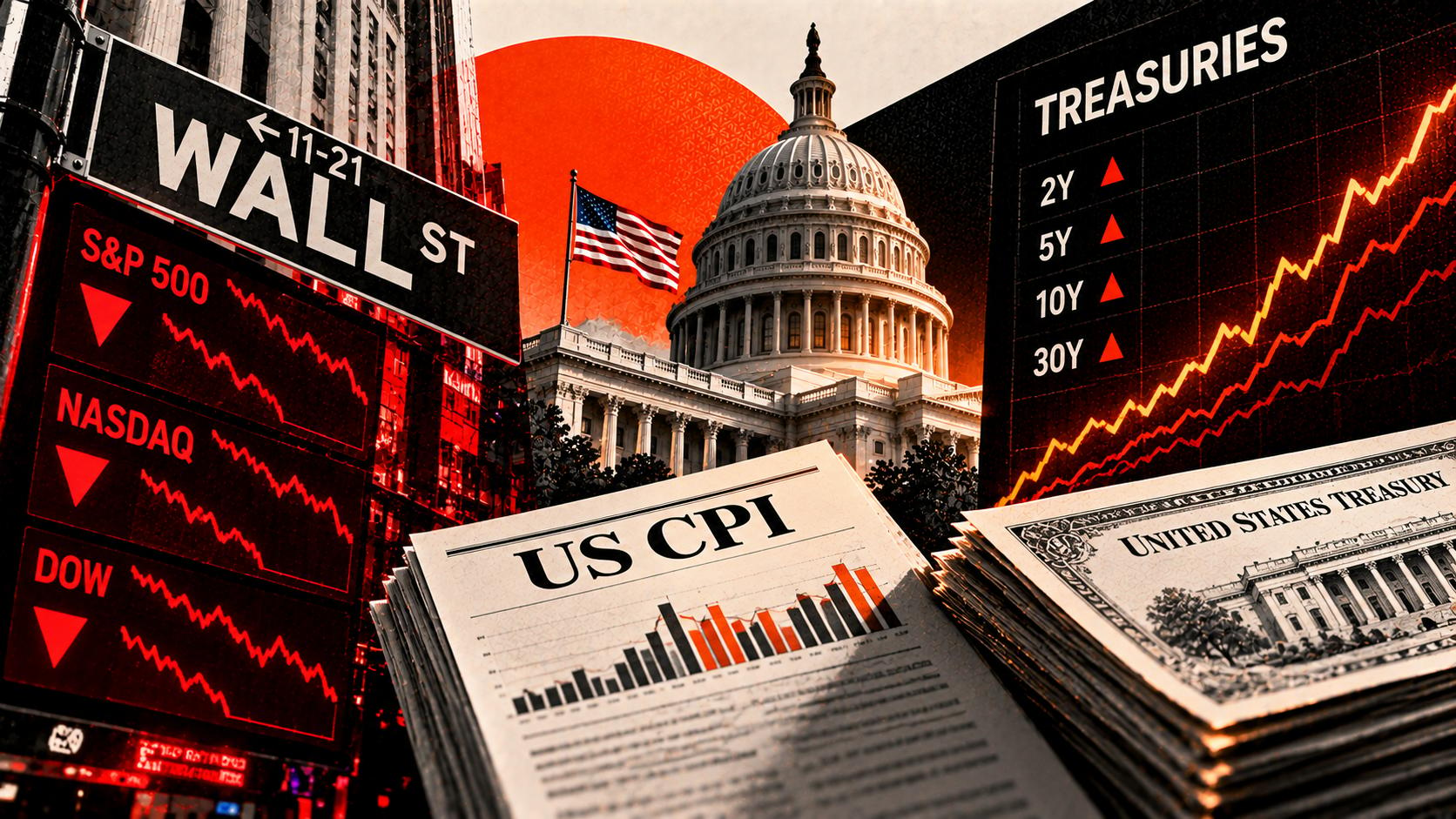
What currencies to buy on a US recession after the yield curve inversion?
- The critical 10-year to 3-month yield has inverted.
- This sign of a recession joins weak data from all over the world.
- Currency markets provide opportunities also in bad times.

Bond markets tend to give signals for the future. In the past, when the 3-month US Treasury yield became higher than the benchmark 10-year yield, it was an initial sign of a recession.
And this just happened.
The gap between the short and long term ends of the curve disappeared. The last time this happened was 2007, just before the Global Financial Crisis. This is an ominous sign, worse than the 10-2 year inversion that is often quoted.
The primary driver was the dovish Federal Reserve decision. The Fed signaled not interest rate hikes in 2019, and Chair Jerome Powell opened the door to cutting rates.
In Europe, German Manufacturing PMI tumbled down sharply, pointing to a deep contraction in the continent's powerhouse. Also, while Brexit was postponed by two weeks, the situation is very fluid over there. German 10-year yields turned negative. It now costs money to lend money to Berlin for ten years.
Three currencies to buy
1) Japanese yen: The currency of the Land of the Rising Sun is the ultimate safe-haven currency. It enjoyed high demand around the GFC, in various downturns, and even when Japan was struck with a horrific earthquake, tsunami, and nuclear reactor issue in March 2011.
The Japanese yen is already on the move, with USD/JPY falling below 110.00 at the time of writing.
2) US Dollar: Similar to Japan that enjoys flows even when it is reeling, the US also draws flows in times of trouble. The US is the world's No. 1 Superpower, and the Dollar is the world's reserve currency. And when the US has its issues, it becomes worse for the rest of the world. Or "when the US sneezes, the world catches a cold."
The US Dollar usually loses only to the Japanese yen. However, USD/JPY can rise if the Bank of Japan intervenes in markets or if the Bank of Japan adds additional stimulus. Without these steps, the greenback remains No. 2.
3) Swiss franc: The small country in the Alps is a safe-haven thanks to its robust banking system. The franc's peg to the euro, lasting from September 2011 to January 2015, diminished this role. The Swiss National Bank has intervened occasionally in the aftermath of the removal of the peg but has since let go.While the Swissie is only the third in line, it can shine, especially against the euro, and especially if the USD and the JPY become crowded trades.
Author

Yohay Elam
FXStreet
Yohay is in Forex since 2008 when he founded Forex Crunch, a blog crafted in his free time that turned into a fully-fledged currency website later sold to Finixio.