Weekly market analysis: EUR/USD, S&P 500, and Crude Oil [Video]
![Weekly market analysis: EUR/USD, S&P 500, and Crude Oil [Video]](https://editorial.fxsstatic.com/images/i/EURUSD-neutral-line_XtraLarge.png)

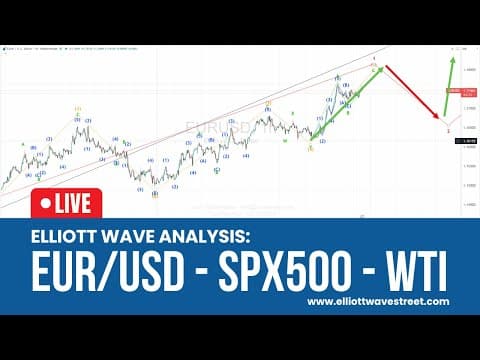
A technical and strategic perspective to trade with greater clarity during a high-volatility week
In this analysis, I will provide a clear, structured outlook on the most relevant markets of the week: EUR/USD, S&P 500, and crude oil. The current environment demands precision, discipline, and a proper understanding of the macroeconomic backdrop—especially during weeks when high-impact events and key technical levels converge.
The combination of macroeconomic data, contract expirations, and Elliott Wave technical analysis allows us to build a strategic roadmap to anticipate scenarios and manage risk with greater confidence.
This week’s key events: What is driving the markets?
The week is packed with major catalysts. Employment data, potential inflation announcements, and triple witching day create a high-volatility environment. Triple witching—when index and stock futures and options expire simultaneously—often leads to sharp price movements and temporary distortions in market structure.
In these conditions, the most common mistake is reactive trading. The real edge comes from anticipation, context, and acting only when the market confirms.
EUR/USD: Bullish bias with caution
Why the euro remains strategically attractive
Since the last Federal Reserve meeting, the technical model has favored long positions in EUR/USD. Although the U.S. dollar has shown strength in recent weeks, a clear divergence exists between the cost of capital and liquidity policies, opening the door to further upside in the euro.
That said, this does not justify impulsive buying. From an Elliott Wave perspective, a technical pullback (wave two) would be both normal and constructive within a broader bullish structure.
Trading approach
- Prioritize scaled buying on pullbacks, not at highs
- View corrections as accumulation opportunities
- Maintain strict risk management to navigate false breakouts
Success comes not from perfect timing, but from aligning with the dominant structure while managing capital correctly.
S&P 500: Contract rollover and strategy adjustment
The rollover from the December contract to March introduces temporary price distortions. During this transition, volume and liquidity shift, often producing sharp moves that do not necessarily reflect true market intent.
Key considerations this week
- Avoid impulsive entries during volatility spikes
- Observe how liquidity settles into the new contract
- Monitor price velocity, a critical factor during rollover weeks
- Prepare for the next bullish swing only when momentum and structure confirm
In this environment, timing is just as important as direction.
Crude Oil: Profit taking and preparing for the next move
Crude oil has completed a strong bearish leg, capturing more than 400 points, signaling a mature move. At this stage, the priority shifts from initiating new trades to protecting profits.
Strategic focus
- Consider profit taking near previously identified support zones
- Wait for technical pullbacks before re-entering short positions
- Adjust stops dynamically as volatility conditions change
Forcing trades in extended moves is one of the most common causes of avoidable losses.
Risk management: The decisive factor in volatile weeks
During high-volatility weeks, risk management becomes the core of any successful trading plan. Well-defined stops, scaled positions, and controlled exposure allow traders to survive erratic price action and capitalize on real opportunities when they appear.
Remember:
It’s not about trading more—it’s about trading better.
Discipline, context, and structural technical analysis remain your strongest allies in navigating complex market conditions and protecting your capital.
Author
Juan Maldonado
Elliott Wave Street
Juan Maldonado has a University degree in Finance, and Foreign trade started his trading career in 2008. Since 2010 has been analyzing the markets using Elliott Wave with different strategies to spot high probability trades.