|

USD safe from Bessent, for now

Yesterday’s Treasury auction proved much more intriguing on paper than in impact, with the volume of cash deployed by the Treasury being tripled from previous buybacks. Overall, it seems the Treasury is on track to spend $6bln in this auction alone, buying 10-to-20-year Treasuries. This has had little to no effect, with the 10-year yield rising today to its highest since October 2023 off the back of rising Oil prices stoking inflation fears.
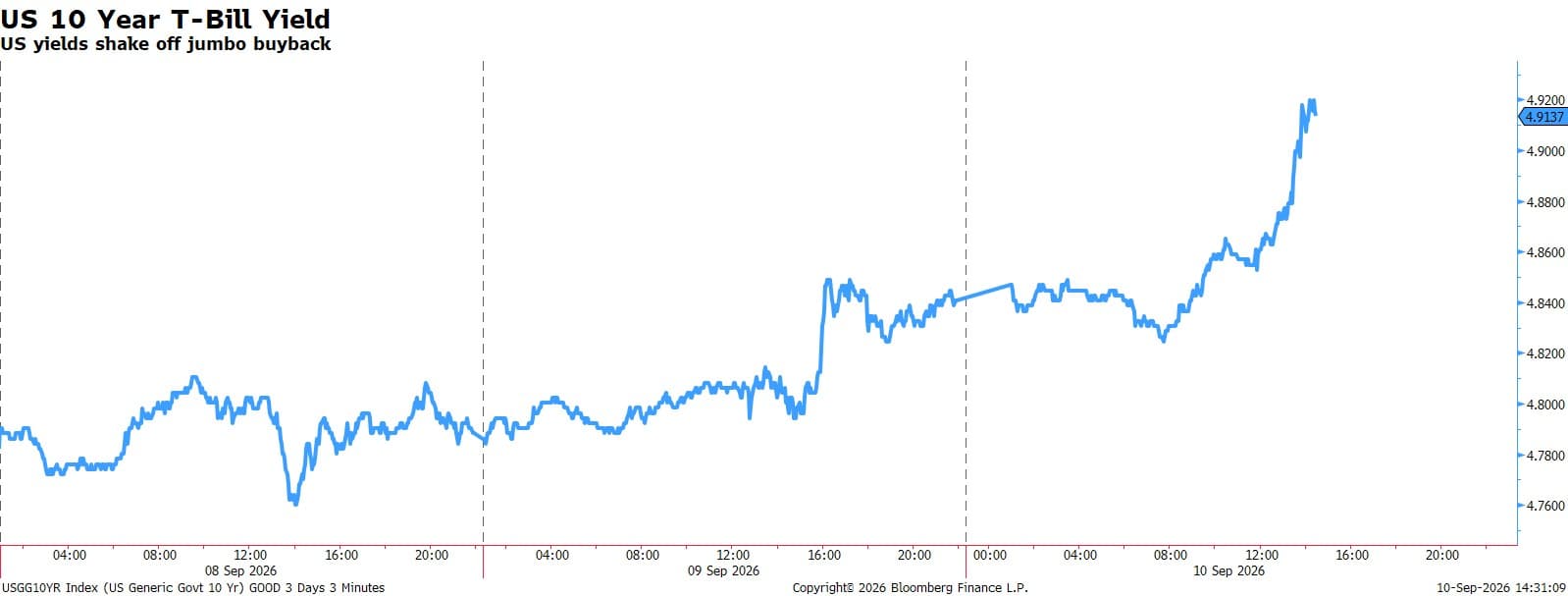
If this was Bessent’s blockbuster action after the statement, he has been roundly taught that even $6bln is just a very small drop in a very large ocean. Whilst the buybacks may be having a limited depressing effect on yields, the key word must be “limited”, raising the question: could any market intervention really shift yields meaningfully? The scale of US debt has grown to such a degree that anything short of a meaningful change in fiscal policy would likely prove ineffective against rising rates.

Take today’s PPI release for example, showing the most aggressive rate of price increases amongst producers for three months on surging energy costs. This relatively minor release has had the effect to raise the markets expectations of a hike from the Fed at their September meeting from 61% to 70%.
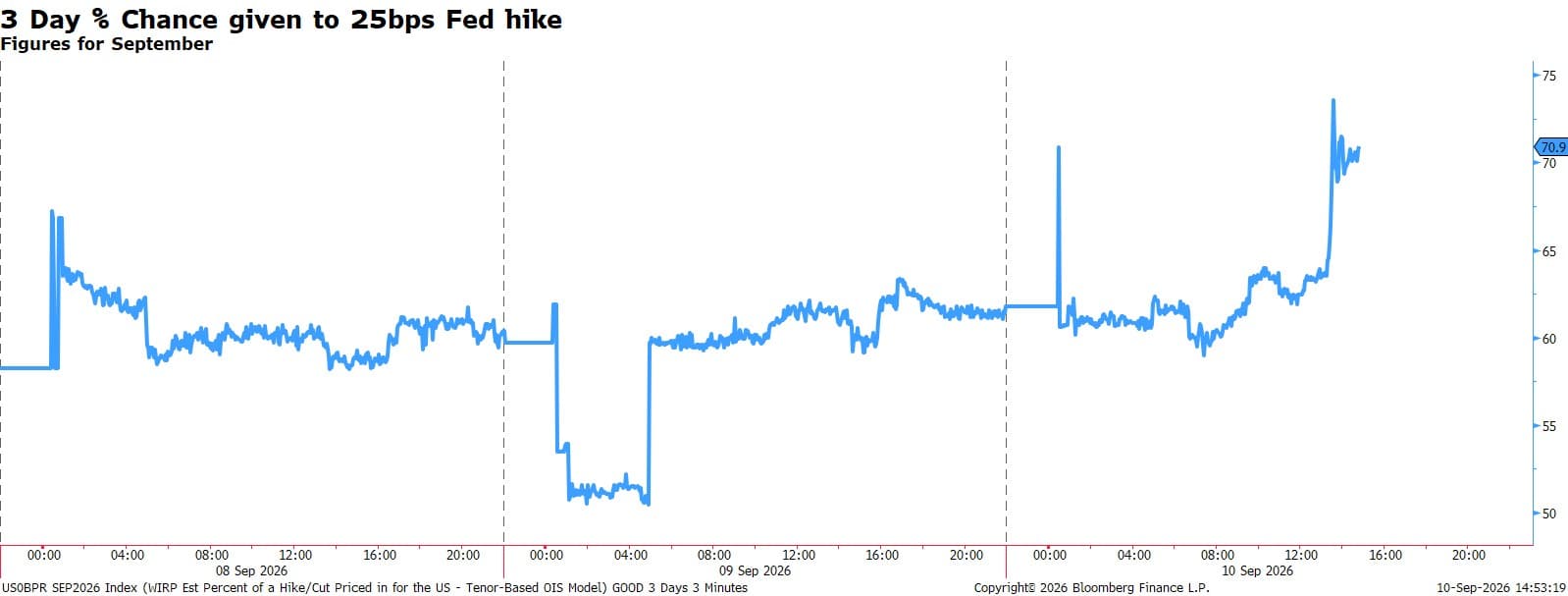
Against such significant movements, Bessent is helpless and unless he dramatically increases the size of such buybacks again, his hopes of lower financing costs could turn quickly to dust. Good news for Dollar bulls, with the initial panic over lower yields dragging the greenback down looking increasingly overdramatic.

Author

David Stritch

Working as an FX Analyst at London-based payments provider Caxton since 2022, David has deftly guided clients through the immediate post-Liz Truss volatility, the 2020 and 2024 US elections and innumerable other crises and events.


More from David Stritch
Share:

Editor's Picks

AUD/USD extends the range play above 0.7200 as traders await US inflation data

AUD/USD is seen extending its consolidative price move above 0.7200 during the Asian session on Thursday amid mixed cues. Rising RBA rate-hike bets keep the Aussie close to its highest level since May 14. However, hawkish Fed expectations and escalating US-Iran tensions offer some support to the US Dollar, capping the currency pair as traders await US inflation figures.


USD/JPY consolidates around 153.50 as bears turn cautious ahead of US inflation

USD/JPY stabilizes above 153.50 during the Asian session on Thursday, but remains near a seven-month low set earlier this week as hawkish BoJ repricing continues to underpin the Japanese Yen. Meanwhile, rising September Fed rate-hike bets and escalating US-Iran tensions help ease US Dollar selling pressure, offering some support to the currency pair ahead of US inflation figures.

Gold remains in the red, still below $4,400

Gold maintains an erratic trade so far this week, now slipping back below the key $4,400 mark per troy ounce following the stronger US Dollar and a strong rebound in US Treasury yields across the curve, particularly following US Producer Prices and ahead of Friday’s more relevant US CPI data.

XRP slides amid a fragile crypto market structure
Ripple (XRP) falls for the second straight day, trading at $1.37 on Thursday. The broader cryptocurrency market remains fragile as investors weigh the impact of geopolitical tensions in the Middle East, which triggered persistent increases in Crude Oil prices while restricting shipping through the Straight of Hormuz and the Red Sea.
Jobs opened the door for the Fed — inflation decides whether it walks through
The latest US jobs report did not end the debate over the Federal Reserve’s (Fed) next move. It may have done something more subtle: it gave policymakers permission to keep their options open. After months of softer labour market signals, August delivered a stronger-than-expected rebound.
Venezuela’s 65-billion-barrel Oil deal could reshape America’s inflation fight
The United States (US) has secured unprecedented access to part of Venezuela’s vast Oil reserves. The timing is particularly significant as the war with Iran is disrupting Middle Eastern supplies, keeping energy prices elevated and reviving concerns about inflation.