US Retail Sales rise in December closing out a moderate year for consumers and the economy
- Retail sales in the US increased 0.3% in December, gaining for the third straight month.
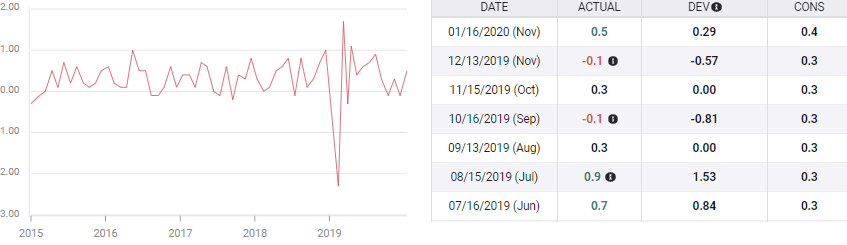
- The GDP category control group rose 0.5% following November's 0.1% decline.
- Consumption was the main engine of economic growth in 2019.


Consumers finished the year with a strong showing for the holiday season increasing purchases of almost all goods and giving the US economy a running start on the New Year.
December retail sales which include online and store receipts rose 0.3% as forecast following 0.1% upward revisions to November at 0.3% and October at 0.4%, reported the Commerce Department on Thursday. On the year sales were 5.8% higher than in December 2018. Purchases rose in all major categories except automobiles.
Retail Sales
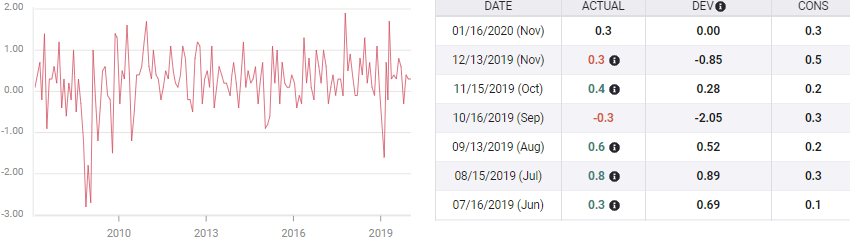
Excluding vehicles sales jumped 0.7% in December, the largest gain since July and improving on the flat result in November. Economists had predicted a 0.5% increase.
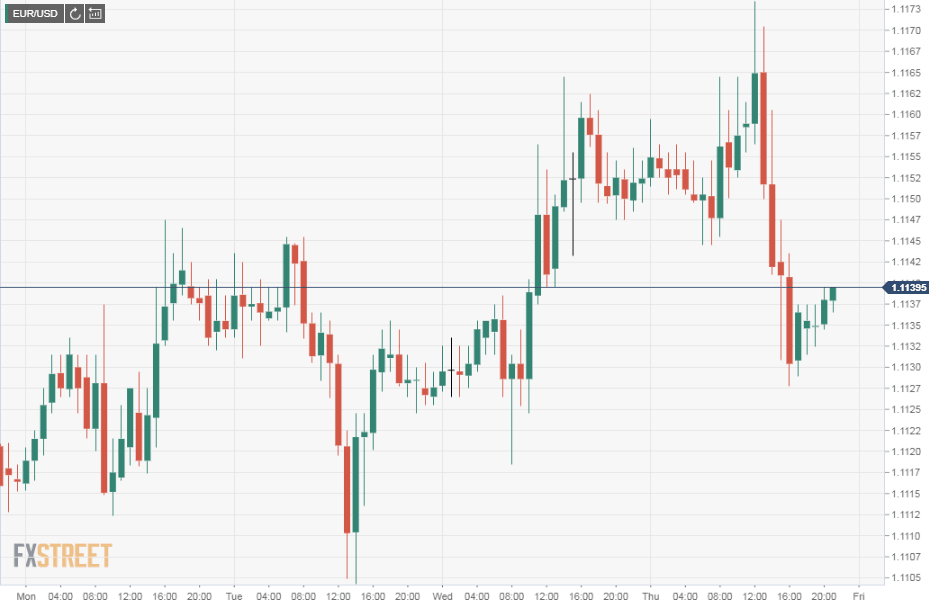
The dollar rose modestly adding about 30 points against the euro to 1.1139 and 15 points versus the yen to 110.14 by late afternoon in New York. Treasury yields climbed with the 2-year adding one point to 1.56% and the 10-year two points to 1.80%.
Equities were markedly higher with the Dow adding 267.35 points closing at a new record of 29297.57. The S&p 500 ended at 9357.13, its first finish above 3300.
Stocks were cheered by by two new trade agreements. The US Senate passed the new North American trade deal sending it to President Trump for his signature. Yesterday the US and China signed their phase one trade deal, partially ending their two year old trade war, improving access for American companies to the mainland market and removing some tariffs on Chinese goods.
‘Control group’ sales, the widely followed GDP component, increased 0.5% just besting its 0.4% consensus prediction. The November figures were revised down to -0.1 from 0.1%. This gauge leaves out receipts from food service, car dealers, building supply stores and gasoline stations, and attempts to mimic long term consumer demand.
Retail Sales Control Group
The overall value of retail sales grew 3.6% last year, down from the 5% increase in 2018 that had been the largest in six years. The tax cuts of late 2017 provided consumers with additional disposable income.
Personal spending, a broader category of consumption which includes service sector purchases in addition to retail sales, had the best two quarters since 2014 in the middle of the year.
Economic growth averaged 2.4% for the first three quarters of last year, but declined from 3.1% in the first three months as business spending and investment dropped sharply beset by fears from the US-China trade dispute.
Consumers, buoyed by the strong job market and rising wages were the primary economic engine last year even though manufacturing hires fell almost 80% to 46,000 from 246,000 in 2018. On the year job creation averaged 174,000 per month and wages rose 3.0%.
The Atlanta Fed GDPNow estimate for the fourth quarter dropped to 1.8% after the retail release from 2.3% on January 10th citing the decline to 1.6% in the projection for real personal expenditures growth from 2.3%.
Author
Joseph Trevisani
FXStreet
Joseph Trevisani began his thirty-year career in the financial markets at Credit Suisse in New York and Singapore where he worked for 12 years as an interbank currency trader and trading desk manager.

















