US Conference Board Consumer Confidence July Preview: Optimism follows the job market
- Consumer confidence expected to fade in July after June rebound.
- Michigan sentiment fell to 73.2 in July from 78.1.
- Rising virus cases and lack of improvement in initial claims undermining confidence.
- Market response will be negligible with initial claims and NFP in the wings.

The two-month improvement in consumer confidence from April’s pandemic low has likely reversed in July as rising numbers of Covid cases and stalled initial claims figures have undermine outlook.
Confidence from the Conference Board is forecast drop to 94.5 this month from 98.1 in June. The plunge from 132.6 in February to April’s 85.7 was the largest decline in the 53 year series.

Reuters
Consumer sentiment measured by the Michigan survey fell to 73.2 in July’s preliminary reading from 78.1 in June. The pandemic low as 71.8 in April.
Michigan consumer sentiment
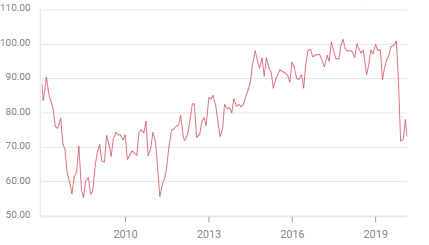
Positive tests from the Covid virus has been rising steadily in many states (and in many countries as well) and though fatality, hospitalization and ICU usage rates have only gone up marginally if at all and are nowhere near their April and May numbers, the partial reversal or suspension of reopening plans in places has put a damper on attitudes.
Initial jobless claims and non-farm payrolls
Claims for unemployment benefits have been over 1.3 million for 18 weeks. Despite the 80% decline from 6.867 million in the March 27 week to 1.413 million three months later on June 26, progress since then has been non-existent. The small, 7.5% drop to 1.307 in the July 10 week reversed to 1.416 million the following week. In that month an additional 5.446 million have been fired or furloughed and sought jobless benefits.
Initial claims
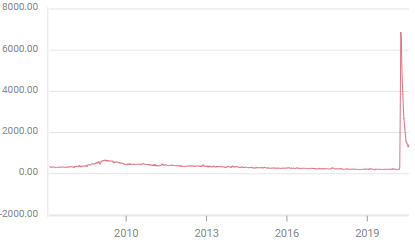
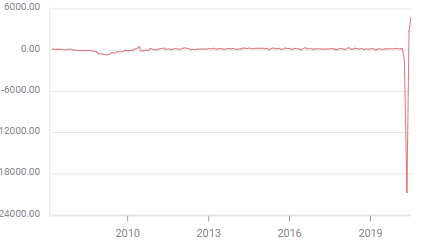
The combined March and April job losses of 22.16 million, a number and economic shock truly unprecedented (an accurate use of that much abused description) has been one-third recovered by the 7.499 million hires in May and June. But the stalled unemployment claims numbers have stirred speculation that the July non- farm payrolls figure due on Friday August 7 will be flat or even negative.
Conclusion and markets
No aspect of the economy is more directly related to consumer confidence than the state of the labor market. Work and the easy prospect of a new job if necessary equals consumer optimism.
Millions of people lost their jobs in the preventive shutdown of the US economy, though in the beginning most may have expected to return to work when the closures were lifted, the lack of continuing progress is the most direct cause of the retreat in consumer attitudes.
If the decline in unemployment claims does not resume and if the recovery in employment stalls or reverses in July expect further recession in consumer attitudes. The impact on consumption and the overall economy will follow thereupon.
Markets will not be swayed by this sentiment figure but they are certainly attending to the claims and payroll numbers due this week and next.
Author

Joseph Trevisani
FXStreet
Joseph Trevisani began his thirty-year career in the financial markets at Credit Suisse in New York and Singapore where he worked for 12 years as an interbank currency trader and trading desk manager.
















