US April Retail Sales: Is there a rebound ahead?
- Sales decline sets new record at -16.4%, after the March 8.3% drop.
- March and April decline at -24.7% of retail sales.
- Equities and the dollar fall, Treasury yields unchanged.

The consumer sector backbone of the US economy has retracted almost twice as much in the last two months as in the entire financial crisis and recession of a decade ago.
Retail sales sank 16.4% in April more than the -12.4% forecast and combined with the March 8.3% plunge, consumption has now dropped 24.7%. In two months one-quarter of US consumer spending has deserted the economy. The control group category that reproduces the consumption component of GDP, fell 15.3% far more than the -4.6% forecast and five times the March 3.1% decease.
From July 2008 to December 2009 retail sales decreased a total of 12.4%.
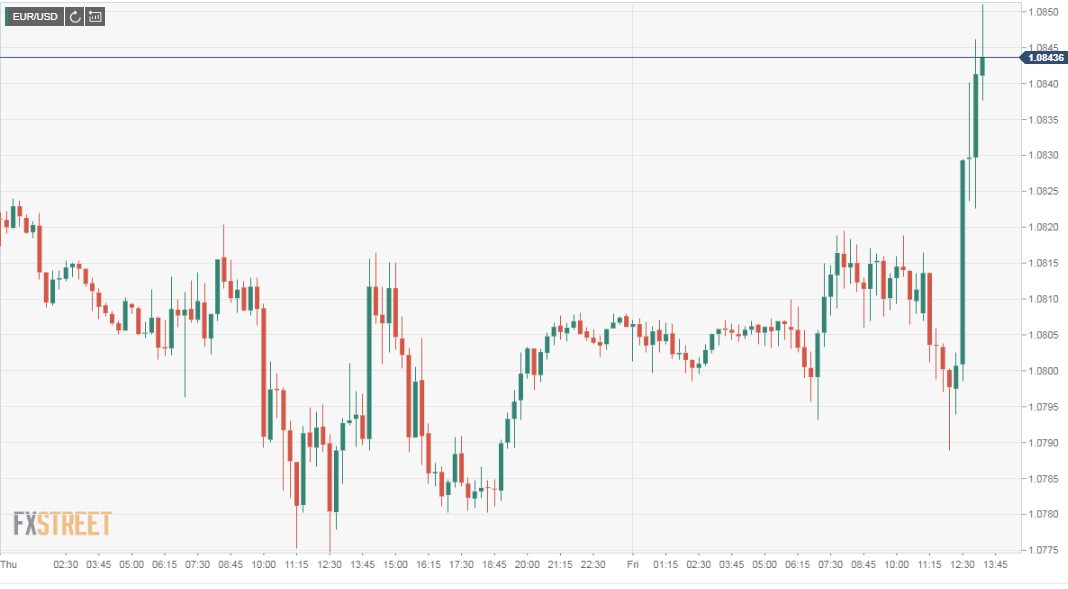
Market reaction was relatively muted with the dollar down about 50 points against the euro and Treasury yields unchanged and Dow futures down 197 points.
The sales figures are just the latest in a slew of atrocious US statistics that document the economic paralysis inflicted by the mandated closures of much of commercial and social life across the country. For an economy that is overwhelmingly dependent on consumption these declines spell disaster unless they are rapidly and substantially reversed.
More than 33 million people have filed for unemployment insurance in the last eight weeks and the number of those that will find their jobs waiting for them is unknown.
Recovery when and at what speed
Many states have started to lift their restrictions. Led by Florida and Georgia, which have not seen the resurgence of viral infections predicted by many, but the recovery in jobs and spending will take weeks or more likely months to reach an economic critical mass.
The overriding issue for the economy is will spending resume fast enough to save the millions of small businesses put to the brink in the past two months?
If a majority of those business survive and rehire their furloughed workers the upswing in spending will power a much wider economic revival. More than anything these businesses need immediate sales and cash flow. The firms that have received government assistance should be better able to survive but the success of the program is unknown.
Congress and President Trump are considering another stimulus and support package in the next few weeks to aid the recovery.
US statistic to watch
One statistic to watch in the coming weeks will be the weekly continuing claims number. Eligibility for US unemployment insurance is limited to 26 weeks for most recipients. People leave the rolls when they return to work or when their time expires.
As more people return to work the continuing claims numbers should begin to decline even if the additions from initial claims remain elevated. If the continuing numbers go down it means more folks are resuming work than are being laid off.
Can there be anyone in the US who does not wish for a swift resumption of normal life?
Author

Joseph Trevisani
FXStreet
Joseph Trevisani began his thirty-year career in the financial markets at Credit Suisse in New York and Singapore where he worked for 12 years as an interbank currency trader and trading desk manager.