US and Iran trade attacks in the Persian Gulf, markets fret about the future

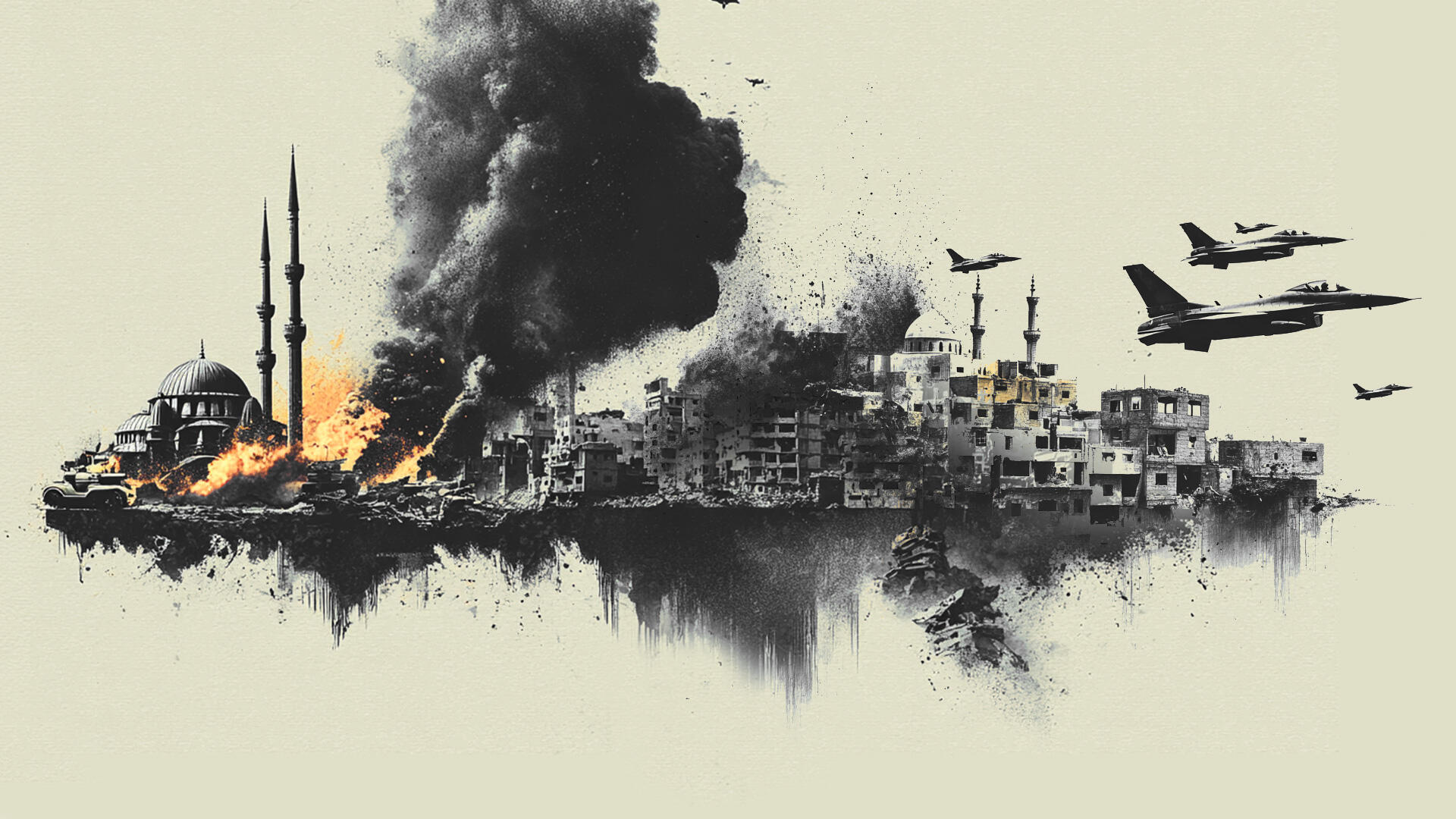
The US killing of Iran’s ranking military leader Qassem Soleimani rocked markets on Friday driving equites sharply lower and oil up almost 3% as the quickening and escalating pace of confrontation promised more trouble in the immediate future.
WTI

American President Donald Trump said that US acted to prevent planned attacks and that the airstrikes at the Baghdad airport were in response to killing of a US contractor in a rocket barrage and the attempted storming of the American embassy in the Iraqi capital.
Iran vowed “harsh retaliation” for the killing of General Soleimani, the head of the country’s Quds Force which operates throughout the Middle East.
The US raid came after weeks of increasing provocations from the Iranians as the sanctions of President Trump’s maximum pressure campaign have wreaked havoc on the Persian economy.
Six months ago Tehran shot down an American drone aircraft. In June its naval forces disabled two tankers in the Gulf of Oman and in September drones launched from Iranian controlled militias in Yemen damaged an Aramco refinery in Saudi Arabia. The US did not respond to any of these provocations. In the first attack Trump called off a US strike at the last minute, noting that the potential for civilian causalities was too high.
Over the past two months Iranian militias in Iraq have attacked air bases where US military and civilian personnel were operating nearly a dozen times. It was after the death of the US contractor that Trump ordered airstrikes on the militia that had launched the rocket attacks, killing 25 soldiers. The attempt on the US Embassy in Baghdad whose outer quarters were ravaged by Kitaib Hezbollah militia members appeared to be the Iranian answer to the US air raid.
The killing of Soleimani Iran's best known military leader and perhaps the second most powerful figure in the Islamic Republic after Ayatollah Khamenei has escalated the conflict to a new and more dangerous level. Iran is sure to respond but its answers will be conditioned by its longer-term goals and the capabilities of its military and proxy forces.
First Tehran will want to show that it cannot be intimidated and that despite its relative military weakness it can inflict serious pain on the US and its allies. Iran will want to demonstrate that it retains freedom of action in spite of its damaged economy and the recent domestic unrest that the regime’s forces crushed with somewhere between 300 and 1500 deaths.
Second Iran has sought, unsuccessfully so far, to bring international pressure on the US in an attempt to limit or remove the sanctions that have cut its oil exports by upwards of 75% and crippled its economy.
In pursuit of this aim Iranian forces have tried to drive the global crude price higher with attacks in the Gulf, hoping that the fear of surging oil will force European and Asian governments to intervene with the Americans.
Iran’s ability to affect the global oil price has been dramatically curtailed by the success of the US and Canadian oil fracking industry. The US is now a net oil exporter. While a temporarily higher price might inconvenience American consumers, Persian Gulf states and OPEC cannot create shortages and threaten recession. The brief oil price rise after the September Saudi attack and the failure of OPEC production cuts to affect crude prices underline the changes wrought by the US oil industry.
The scale and duration of the attacks on Saudi refineries and oil fields that would be necessary to seriously impact global oil production are likely beyond Iranian capacity. If attempted they would bring a US and allied defensive response that would quickly render them a failure.
Finally Iran might attempt to make the US presence in Iraq painful and a political liability for President Trump who campaigned on limiting American overseas military operations. But for Iran attacks on US facilities and soldiers in Iraq draw a heavy response from the American military. Tehran cannot hope to win a conflict with the US, even one fought without direct combat between opposing troops.
No doubt the Iranian regime would prefer Trump to lose in 2020. An ever more costly US presence in Iraq might be Tehran’s in kind contribution to the presidential election.
Author

Joseph Trevisani
FXStreet
Joseph Trevisani began his thirty-year career in the financial markets at Credit Suisse in New York and Singapore where he worked for 12 years as an interbank currency trader and trading desk manager.