US and China agree to implement the implementation of the already-agreed consensus
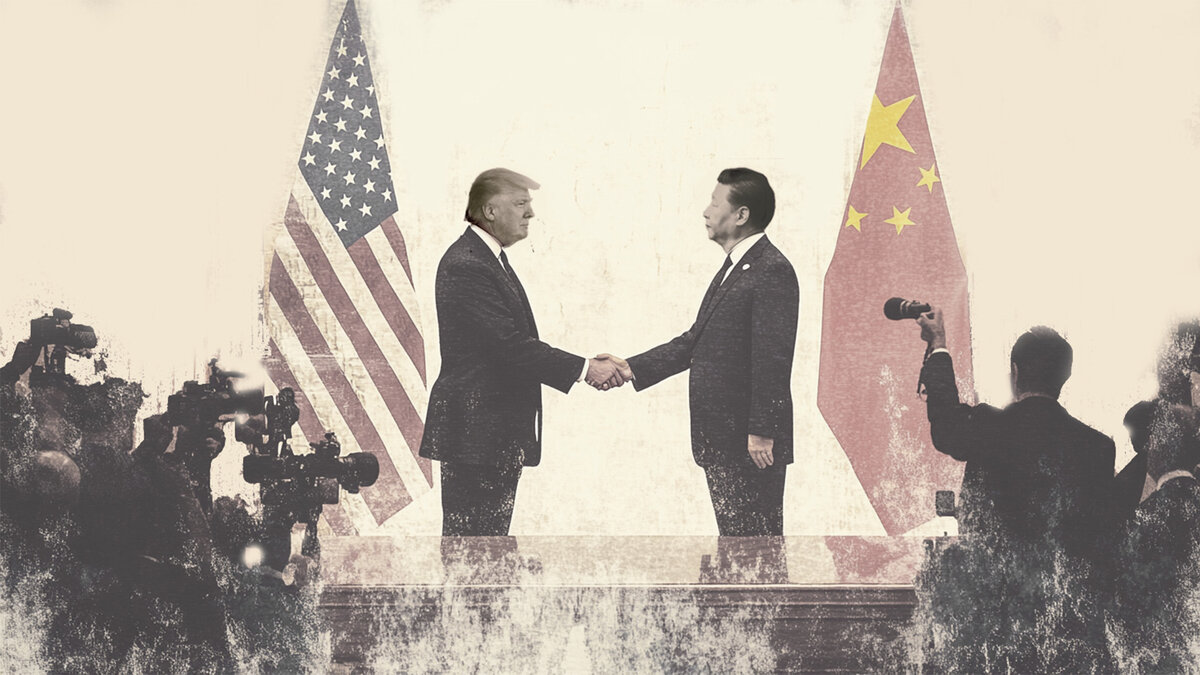

After two days of back-and-forth in London, the U.S.–China trade circus wrapped with what can only be described as a diplomatic tautology: a late-night announcement that both sides have “agreed in principle on a framework to implement the Geneva consensus”—a consensus that was, ironically, already agreed upon weeks ago.
Commerce Secretary Howard Lutnick and China’s Vice Commerce Minister Li Chenggang delivered the news just shy of midnight London time, sounding more like they were reading a corporate mission statement than breaking any new geopolitical ground. Lutnick’s punchline? “Once the presidents approve it, we will then seek to implement it.”
So what did 48 hours of talks actually produce? Apparently, a reaffirmation to eventually do what they had already said they would do. If markets were expecting substance, they got process instead.
The rare earth angle—long assumed to be a sticking point—was teased but not exactly clarified. Lutnick’s promise that “the topic of rare earth minerals and magnets… will be resolved in this framework” read more like a line from a strategy deck than a concrete deliverable. Does that mean China is about to restart shipments? Or that talks will continue indefinitely while the U.S. keeps tariffs warm and licensing opaque?
His follow-up wasn’t much clearer: “When they approve the licenses, then you should expect that our export implementation will come down as well.” Translation: the U.S. might unwind some restrictions once China acts—but until then, we wait. Again.
And then came the kicker: “We had to get the negativity out.” Which, if you’re keeping score, means the outcome of these talks was an agreement to stay positive while committing to maybe do what was already agreed in principle weeks ago. If this were a hedge fund pitch, you’d walk out halfway through slide three.
Greer, the U.S. Trade Representative, offered little more clarity—no next meetings scheduled, but “we can talk whenever.” Great. A hotline to nowhere.
Bottom line: this was less a breakthrough and more a placeholder. The framework to implement the framework is in place. The real market signal? Hope fatigue could be setting in. If the next headline doesn’t come with something tangible, such as cargo ships loaded with rare earths or an actual rollback of tariffs, expect risk assets to start demanding more photo opportunities.
Until then, this rally relies on faith. The punchbowl is still spiked with stimulus, but the trade deal room is beginning to smell like déjà vu.
Author
Stephen Innes
SPI Asset Management
With more than 25 years of experience, Stephen has a deep-seated knowledge of G10 and Asian currency markets as well as precious metal and oil markets.

















