|

Unintended consequences

S2N spotlight

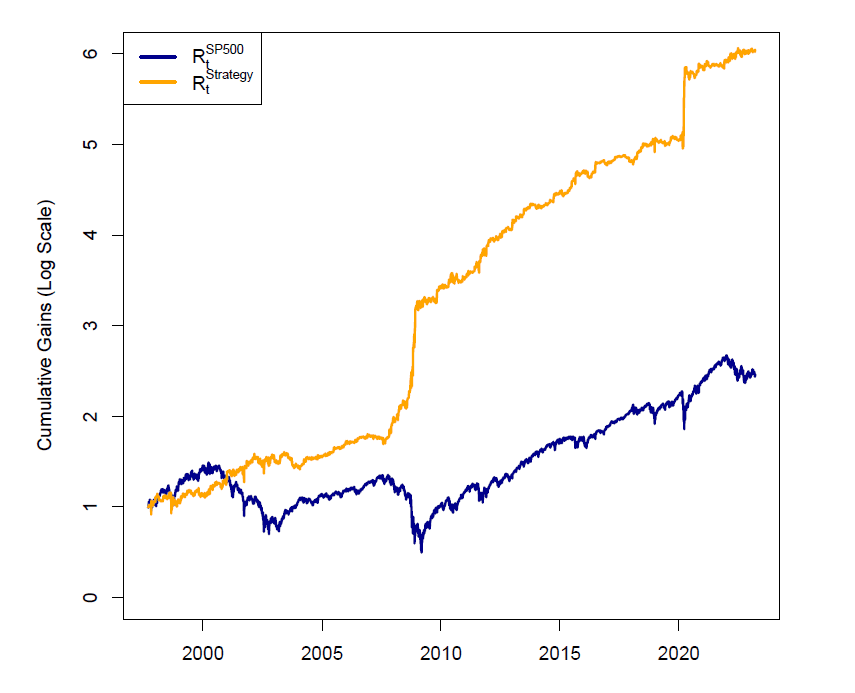
We usually focus on macro things in this newsletter. Today we will focus on a micro strategy that is a great example of how the efficient market hypothesis fails due to structural forces, despite these inefficiencies being well known.

One of the great finance professors, Campbell Harvey, and colleagues Michele Mazolleni and Allesandro Melone wrote a brilliant paper, “The Unintended Consequences of Rebalancing.”

I was planning on recreating the paper for today's letter, but it requires more time and effort. Institutional investors like pension funds are often required to keep a fixed allocation, say 60% stocks / 40% bonds. There are products like ETFs and structured products offering fixed weightings.

If stocks go up a lot, the portfolio might become 65% stocks / 35% bonds—now it's overweight equities. To fix this, the fund must sell stocks and buy bonds to get back to 60:40. This process is called rebalancing, and many funds do it at predictable times, like the end of the month.

That predictability creates an opportunity. Basically trading around these calendar rebalancing dates provides consistent opportunities. I bring this subject up as a reader following yesterday’s letter asked me about my philosophy about the efficient market hypothesis (EMH).

I have come across enough of these types of anomalies to know they are a thing and are persistent. The strategy achieves a Sharpe Ratio of 0.94 versus the SP500 of 0.51.
S2N observations

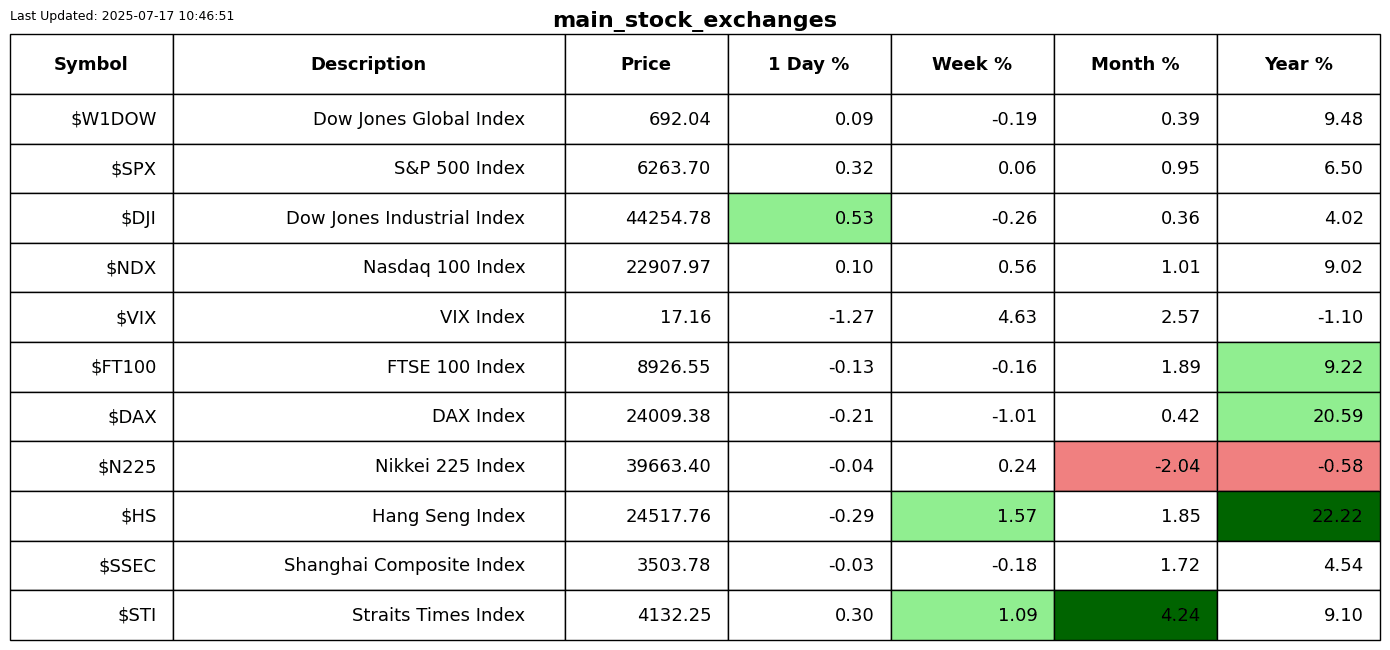
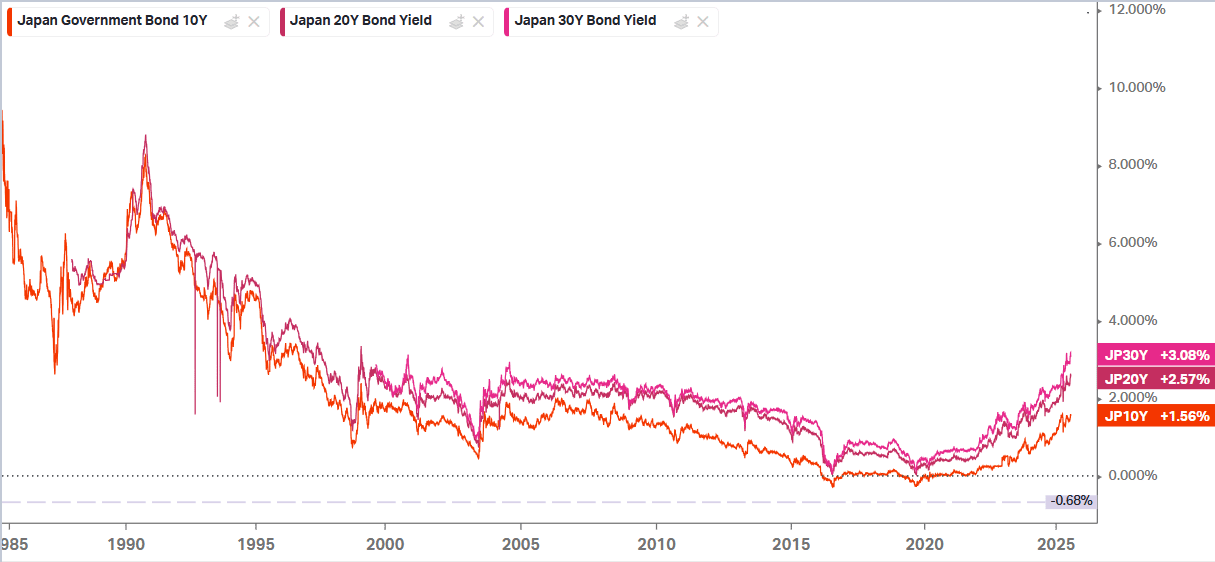
One of the biggest stories getting little coverage at the moment is the rising Japanese bond yields. The 30-year is over 3%; if you think the US has a debt problem, try Japan’s 235% debt-to-GDP. What could possibly go wrong?
This has to be one of the most classic own goals. During a typical Trump rant, he brutally criticised Fed Chair Jerome Powell. Trump then says, forgetting that he appointed him, "I'm surprised he was appointed. I was surprised that Biden put him in." Trump nominated him in 2017. There is nobody quite like The Donald. How does he get away with it? I actually found the moment quite cute.

S2N screener alert

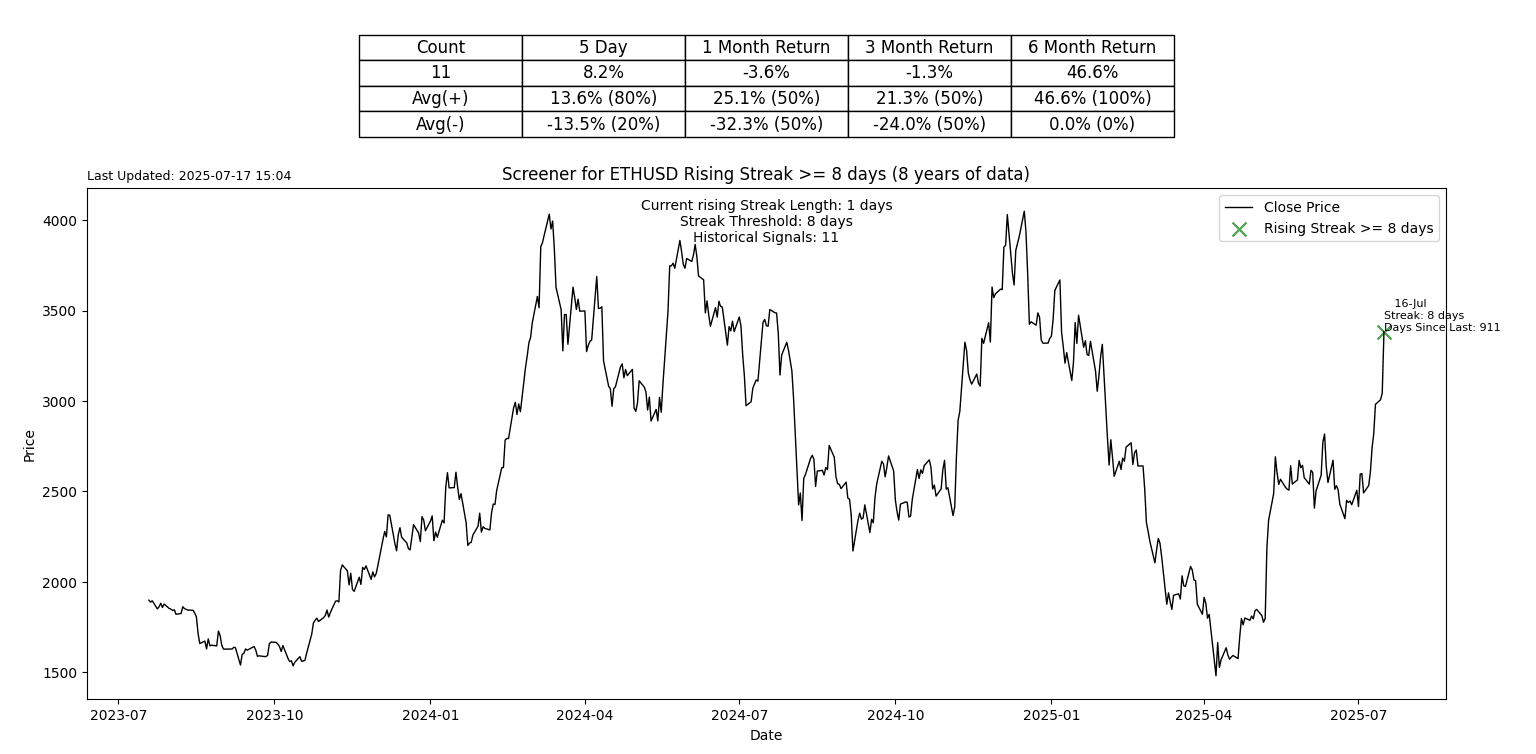
Ethereum is up 8 days in a row.
S2N performance review
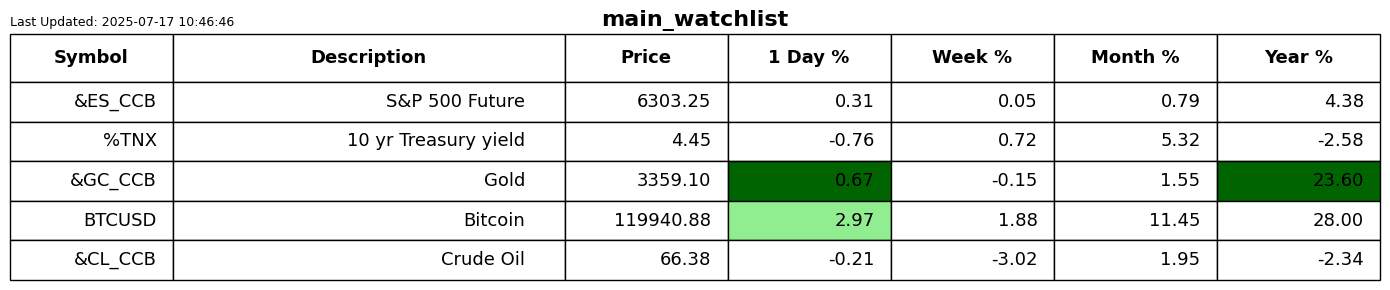
S2N chart gallery
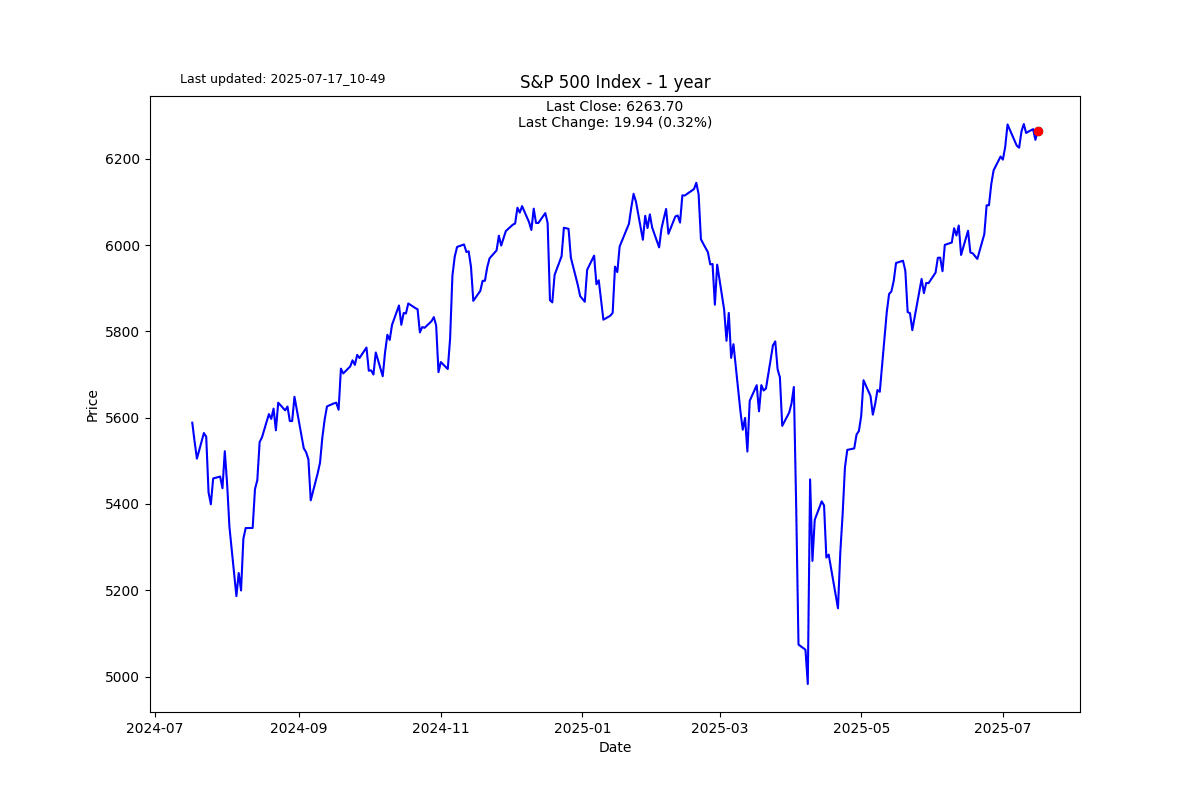
S2N news today
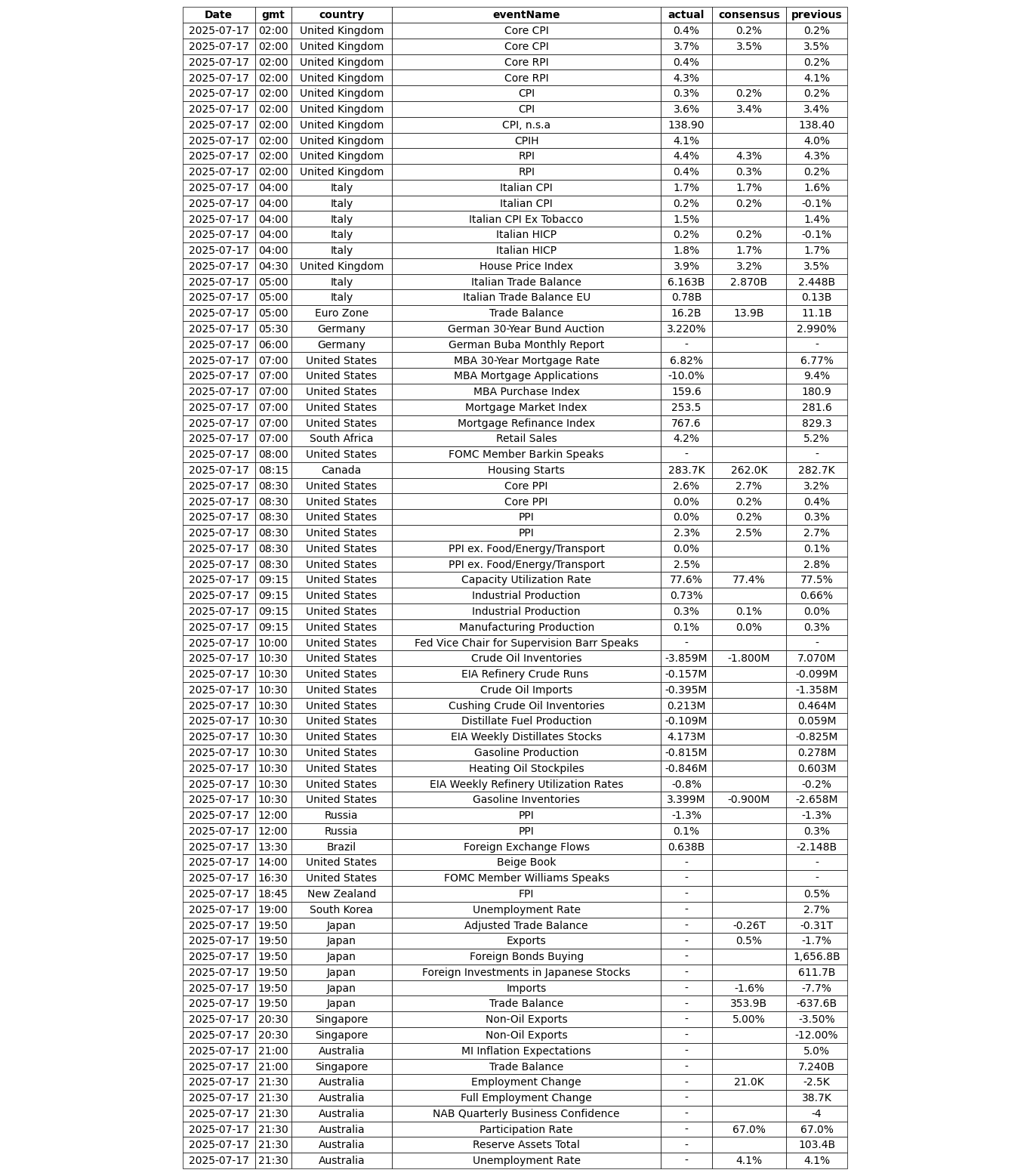
Author

Michael Berman, PhD

Michael Berman, PhD

Signal2Noise (S2N) News

Michael has decades of experience as a professional trader, hedge fund manager and incubator of emerging traders.


More from Michael Berman, PhD
Share:

Editor's Picks

GBP/USD drops to multi-week lows below 1.3300

GBP/USD sets aside Friday’s uptick and breaches below the 1.3300 yardstcik on Monday to hit new multi-week troughs. Falling crude oil prices following a pause in the Middle East conflict in combination with the recent soft reading in UK inflation appear to play against any BoE tightening ahead of the bank’s event later in the week.

EUR/USD meets support near 1.1370

EUR/USD fades the initial bull run past 1.1400 the figure, deflating toward the 1.1370 zone on Monday. That said, the pair reverses two daily drops in a row on the back of the irresolute price action in the US Dollar, at the time when investors continue to closely follow developments from the Middle East conflict. Next on tap is the release of the US Consumer Confidence gauge by the Conference Board.

Gold extends the drop below $4,050 on bullish USD

Gold extends the drop below $4,050 in the Asian session on Tuesday amid a bullish US Dollar. The downside seems limited as traders might opt to wait for the outcome of a two-day FOMC policy meeting on Wednesday. Furthermore, a pause in US-Iran hostilities led to a slump in Oil prices, easing inflationary concerns and tempering bets for Fed rate hikes, which could limit the Gold price pullback.

Ethereum: BitMine buys back over 6 million shares, scoops 10K ETH

Ethereum treasury firm BitMine Immersion Technologies increased its share buybacks last week while scooping extra tokens into its ETH stash. The Las Vegas-based firm bought back 6.1 million shares of its common stock last week, following a 5.5 million share purchase the prior week.

Neither Hormuz nor Oil at $120: Why Japanese bond yields are the real market threat
While geopolitical headlines continually send traders rushing to the Oil charts, history shows that the biggest market moves often begin when liquidity disappears, not when crude spikes. Rising bond yields, particularly in Japan and Switzerland, threaten to trigger the unwinding of one of the largest leveraged trades in financial history.
US Dollar mid-year outlook: Exceptional currency, exceptional risks?
The US Dollar enters the second half of 2026 in a markedly different position from a year ago. The King currency has recovered, reflecting persistent US inflation, changing expectations for Fed policy, geopolitical tensions and renewed demand for defensive assets.