Trump lobbed a fresh trade war salvo
Markets
A tumultuous week barrels to a close as Asian investors take their cues from U.S. ‘Big Tech’ earnings, digesting Fed Chair Jerome Powell’s midweek messaging and bracing for a new round of tariff-induced market turbulence. As global markets were settling into the macro-calming vibes from a cadre of dovish central banks, another tariff grenade exploded, shattering the relative calm.
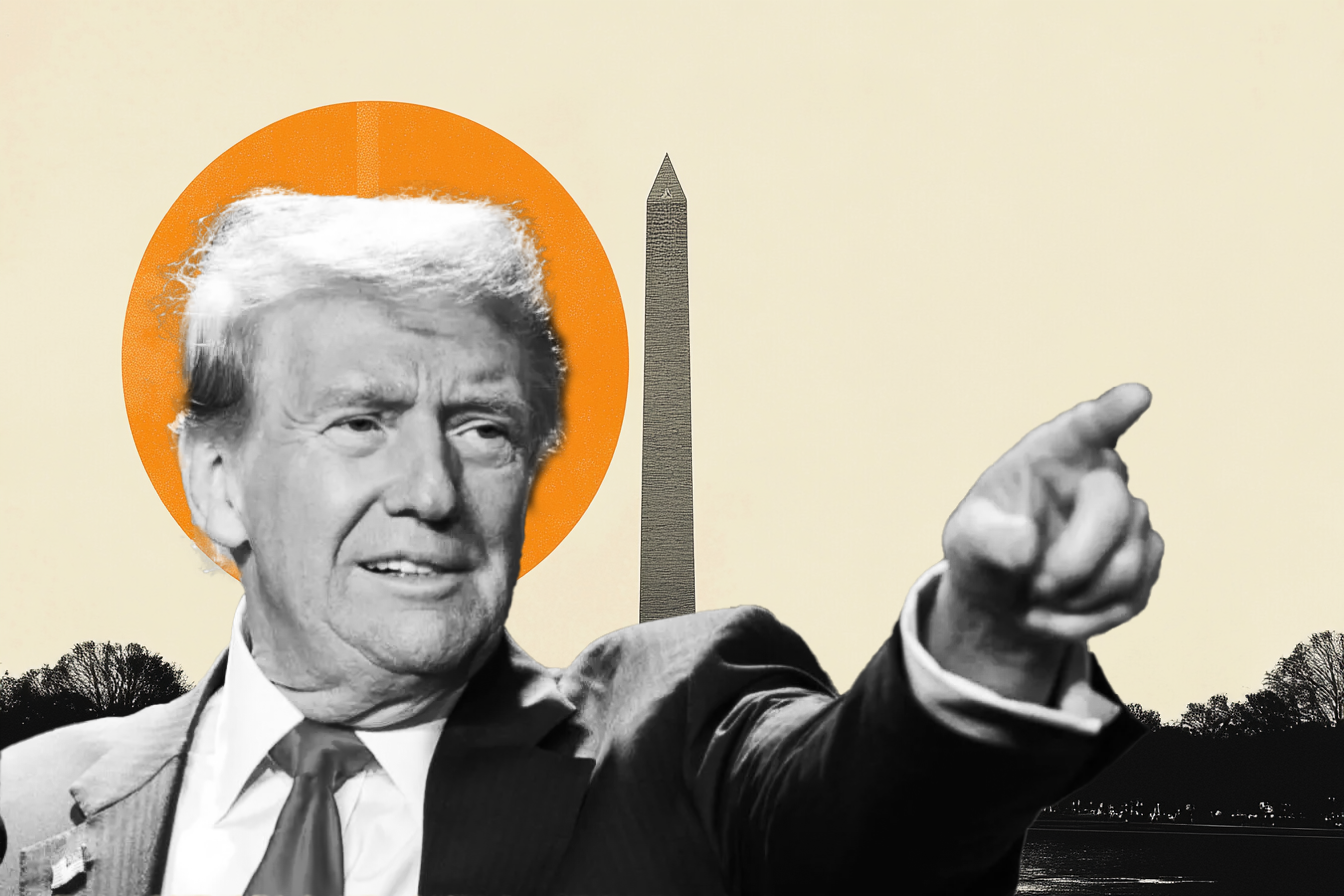
Just before Wall Street’s closing bell on Thursday, in classic form, Trump lobbed a fresh trade war salvo, declaring that the U.S. could hit Mexico and Canada with punishing 25% tariffs over the weekend. And perhaps not-so-surprisingly, this wasn’t a bolt from the blue—Trump had been telegraphing tariff decisions for weeks. The biggest question now? Who’s next in the crosshairs? Could China and Europe be the following targets in this escalating trade battle? Markets are on edge, with investors bracing for potential weekend fireworks that could define the next major market moves.
The market's mood music was decidedly upbeat until the shockwave of trade war tensions reverberated through global trading floors. The macroeconomic landscape appeared solid: the European Central Bank slashed rates with promises of more easing on the horizon, the Bank of Canada made its cut earlier in the week, and the Bank of England seemed ready to follow suit. Even a "hawkish Fed hold" did little to disturb the markets, with investors mainly dismissing fears of an imminent policy shift.
On the corporate stage, the scene was more tumultuous. Apple shares wavered in volatile after-hours trading on Thursday following announcing its latest results, setting the stage for potential ripples in Asian markets come Friday.
This week has been a rollercoaster for the 'Magnificent 7' tech giants. Nvidia took a hit on Monday with the unveiling of DeepSeek, shaking investor confidence. Microsoft shares tumbled after disappointing earnings were reported on Thursday, while Tesla and Meta enjoyed a lift from their respective earnings successes.
Adding a new layer to the U.S. tech saga, the Wall Street Journal reported that Japan's Softbank is discussing injecting a staggering $40 billion into OpenAI, signalling a more significant commitment to the US AI landscape than previously anticipated.
With the Chinese New Year holiday shuttering markets in China, South Korea, and Taiwan, liquidity in Asia will be unusually thin, leaving Japan to carry the torch. Here, FX traders are gradually rediscovering their yen prowess, bolstered by a more hawkish tilt from the Bank of Japan. However, the looming threat of Trump's tariff bomb could derail the BoJ's tightening trajectory and potentially propel U.S. treasury yields, setting the stage for a reversal of fortunes for the yen bulls. The actual impact, though, hinges on the finer points of these tariffs—and, crucially, who might be targeted next in this escalating trade standoff.
Will tarrif be a one-off or the more challenging to parse incremental route?
The pivotal role of inflation expectations in the Federal Reserve's strategy underscores the nuanced impact that tariff increases might have on their rate-setting decisions. In 2018, Fed economists explored how the central bank might respond to a surge in inflation driven by tariffs. Their findings suggested that the Fed could overlook temporary inflation spikes as long as two key conditions were met: inflation expectations remained anchored at low levels, and price increases dissipated swiftly across the economy.
Fed Governor Christopher Waller clarified this approach during a recent conference in Europe. He explained that if tariffs were implemented abruptly but not repeated, they would likely cause only a transient spike in inflation, which would subsequently stabilize.
However, the landscape grows increasingly complex as tariffs are applied in a staggered fashion, hitting various countries and products at different times. This nuanced rollout muddles the Federal Reserve's task of pinpointing whether escalating prices stem directly from these tariffs or are influenced by broader economic currents.
For capital markets traders, this scenario casts us into a deepening tariff abyss, compelling us to continuously assess whether we're facing a singular, isolated incident or the onset of a prolonged tariff onslaught that could perpetually destabilize market dynamics.
This ongoing uncertainty is a significant reason Fed officials remain on edge about maintaining stable inflation expectations. Their December projections anticipated that underlying inflation would taper to 2% from 2.8% at the year's end, continuing over the next two years despite robust economic activity and minimal economic slack, like unemployed workers or idle factories.
The last thing the Federal Reserve needs is a monthly tariff-induced price spike wreaking havoc on their inflation forecasts. Such volatility could significantly destabilize markets, creating a ripple effect that leads to unending turmoil. As traders and economists watch these developments closely, the potential for these persistent disruptions poses a critical challenge to maintaining economic stability and investor confidence.
Author

Stephen Innes
SPI Asset Management
With more than 25 years of experience, Stephen has a deep-seated knowledge of G10 and Asian currency markets as well as precious metal and oil markets.