Three fundamentals for the week: Trump's inauguration casts a long shadow on markets
- Investors will be following Donald Trump's expected flurry of actions in his first days in office.
- The Bank of Japan is projected to raise interest rates, contrary to the global trend.
- PMIs will provide an updated view of business sentiment at the beginning of the Trump 2.0 era.
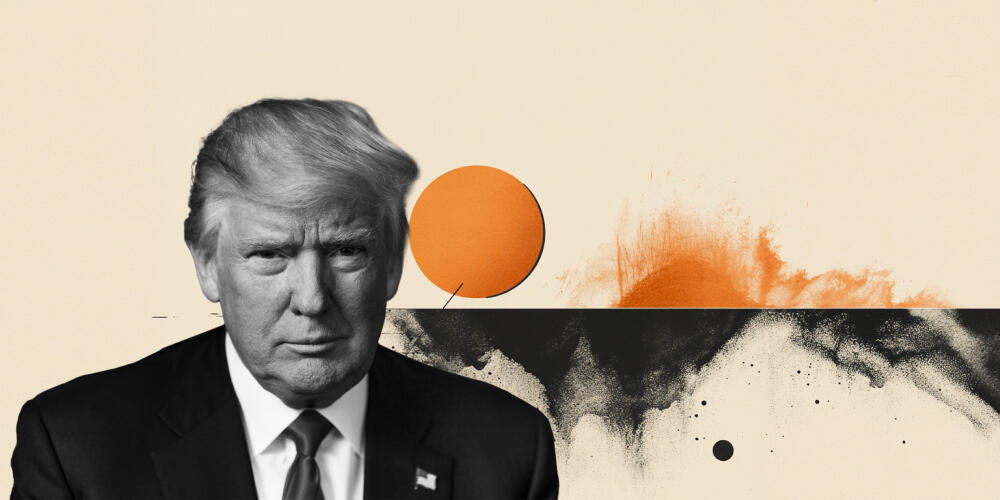
Shock and awe? Incoming United States (US) President Donald Trump enters the White House on Monday, and markets brace for a storm. Headlines from the Oval Office will likely dominate trading, but there are two other things to watch.
1) Trump enters the White House with a storm
Monday, from 17:00 GMT. Donald Trump returns to the White House, riding on his election victory and a long list of promises. According to reports, his first moves will be in the energy sector, where he will sign Executive Orders unleashing more output.
Tariffs on friends and foes alike are also of high interest, especially as Trump could enact them immediately. If he follows through with big levees, markets could suffer as they would mean higher inflation.
Another aspect is immigration, where he could declare an emergency. However, crossing at the southern border has dropped in Joe Biden's last year in office, and the moves have less immediate economic impact.
The US Dollar (USD) needs higher tariffs to rise, while Stocks and Gold would need softer policies. For Oil, Trump's decisions would likely impact output later, not immediately, but crude could come under pressure.
Trump's inauguration is on Monday, a bank holiday in the US in observance of Martin Luther King’s Day, which means no equity trading. Stocks will have time to digest – but currencies will be on the move.
More: Five keys to trading Trump 2.0 with Gold, Stocks and the US Dollar
2) Bank of Japan set to raise rates very cautiously
Friday, early morning. After a long wait, Bank of Japan (BoJ) officials are expected to raise interest rates from being capped at 0.25% to held down at 0.50%. These low rates reflect Japan's moderate level of inflation and the country's catching up with the rest of the world.
Officials in Tokyo will also want to hike borrowing costs to shore up the Japanese Yen (JPY), which has been under pressure in recent months. However, inflation is too low to justify a significant hiking cycle.
I expect the Yen to "sell the fact," especially if BoJ Governor Kazuo Ueda refrains from committing to further moves ahead and as the rate hike is already priced in.
If the BoJ does convey a message that more hikes are coming, it would not only boost the Yen but also show that the BoJ expects higher interest rates from the US, partially influenced by Trump's tariff policies.
3) US Flash PMIs may provide a first look at sentiment in the Trump era
Friday, 14:45 GMT. S&P Global preliminary Purchasing Managers Indexes (PMIs) do not usually rock markets, but this time may be different. Coming toward the end of Trump's first week in office, this forward-looking gauge provides an indication of sentiment.
Are businesses bullish about Trump, tax cuts and other pro-growth policies? Or do they fear tariffs will make running their companies costlier? The Manufacturing PMI stood at 49.4 in December, just below the 50-point threshold separating expansion from contraction.
The Services sector did much better, with an impressive score of 56.8, reflecting satisfactory growth. A higher score now would point to optimism, while a drop would express concerns.
Final thoughts
Fear and greed may be amplified in the first week of Trump 2.0. This calls for caution when trading, as headlines may hit at any moment.
Author

Yohay Elam
FXStreet
Yohay is in Forex since 2008 when he founded Forex Crunch, a blog crafted in his free time that turned into a fully-fledged currency website later sold to Finixio.