This isn’t a crash — It’s a slow breakdown
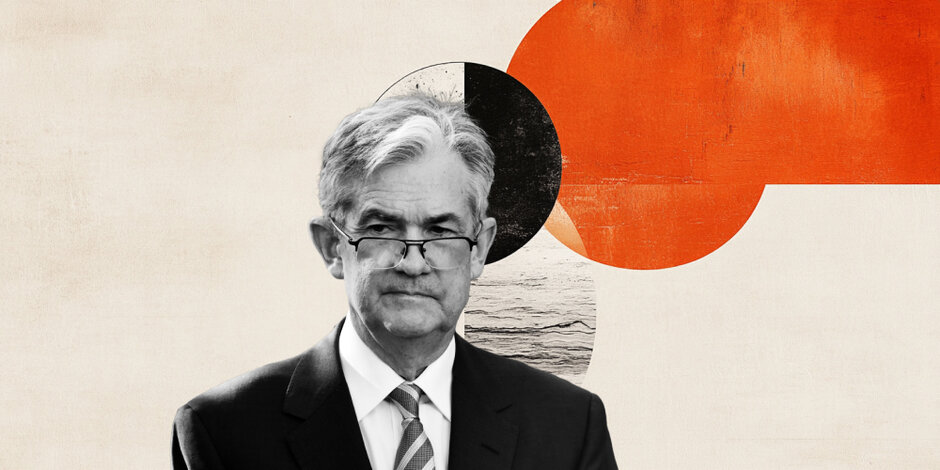

Luke Gromen says the US isn’t heading for a sudden collapse, but is slowly falling apart due to rising debt, inflation, and global changes in money.
Luke Gromen from FFTT recently shared his thoughts on the economy, and he didn’t hold back. While enjoying some spring baseball in Cleveland, he gave a serious warning: we’re in the middle of a big shift, not a one-day disaster.
Powell is stuck
When asked what advice he’d give Federal Reserve Chair Jerome Powell, Gromen joked: “Get a time machine, go back to 2021, and resign when everyone still liked you.” His point? Powell is stuck. No matter what he does now, one group or another—consumers, bondholders, the military, or politicians—will be upset. There’s no easy win.
Why debt matters now
Some people say we've always had debt, so why panic now? Gromen says this time is different. For example:
- Interest payments on U.S. debt are now higher than the defense budget—that’s never happened before.
- Government income (taxes) is no longer enough to pay for Social Security, Medicare, and interest on debt—this is also new.
- The Federal Reserve is losing money, which hasn’t happened since the Civil War.
These are huge warning signs. Gromen says we’re watching the system break slowly, not all at once.
Signs of the breakdown
Gromen calls this a "process." He explains we are already seeing:
- Prices for gold, Bitcoin, and stocks rising even when interest rates go up—which normally isn’t supposed to happen.
- US leaders constantly stepping in to keep bond markets from crashing.
- More drug overdoses, political anger, and tension with China—all signs of social and economic stress.
So, even if there are no zombies in the streets, the system is under pressure. It’s not a big bang. It’s a slow leak.
What's happening with currencies?
He points out something unusual: the Taiwan dollar is getting stronger, as are other Asian currencies. That’s strange, because the U.S. dollar is usually the king. Gromen thinks this may be part of a quiet deal happening behind the scenes—maybe countries are trying to make their currencies reflect trade strength more fairly. If that’s true, it could mean the U.S. dollar will get weaker over time.
Gold and Bitcoin as lifeboats
Gromen talks about a new strategy the U.S. Treasury may be using to weaken the dollar—buying foreign money using gold without asking Congress. That’s big, and it could make gold even more important in the future.
He also warns that countries might start blocking money from leaving their economies. This is called capital control. He thinks it could start in Europe or Japan, but eventually even the U.S. may do it in hidden ways—like forcing retirement accounts to hold more government bonds.
What should people do?
Gromen says this is a dangerous time. He calls it a period of “wealth destruction”—a time when you can lose money easily, even if you do nothing wrong. His advice:
- Don’t try to trade or time the market unless you’re a pro.
- Hold about 20% of your savings in gold and Bitcoin.
- Keep some cash in case things move quickly.
- Focus on protecting your money, health, and relationships—not just profits.
Final thoughts
This isn’t just an American problem. Gromen says that only Americans think a financial crisis means total collapse. People in other parts of the world see it as a rough patch—they survive and adapt. The U.S. needs to do the same.
Key takeaways
- Debt is now hurting the system in ways we’ve never seen before.
- The breakdown is slow but real—rising gold, inflation, and political stress are signs.
- Gold and Bitcoin can help protect your wealth as the dollar weakens.
Author
Jacob Lazurek
Coinpaprika
In the dynamic world of technology and cryptocurrencies, my career trajectory has been deeply rooted in continuous exploration and effective communication.

















