The Yen squeezes higher, though official fingerprints are elusive
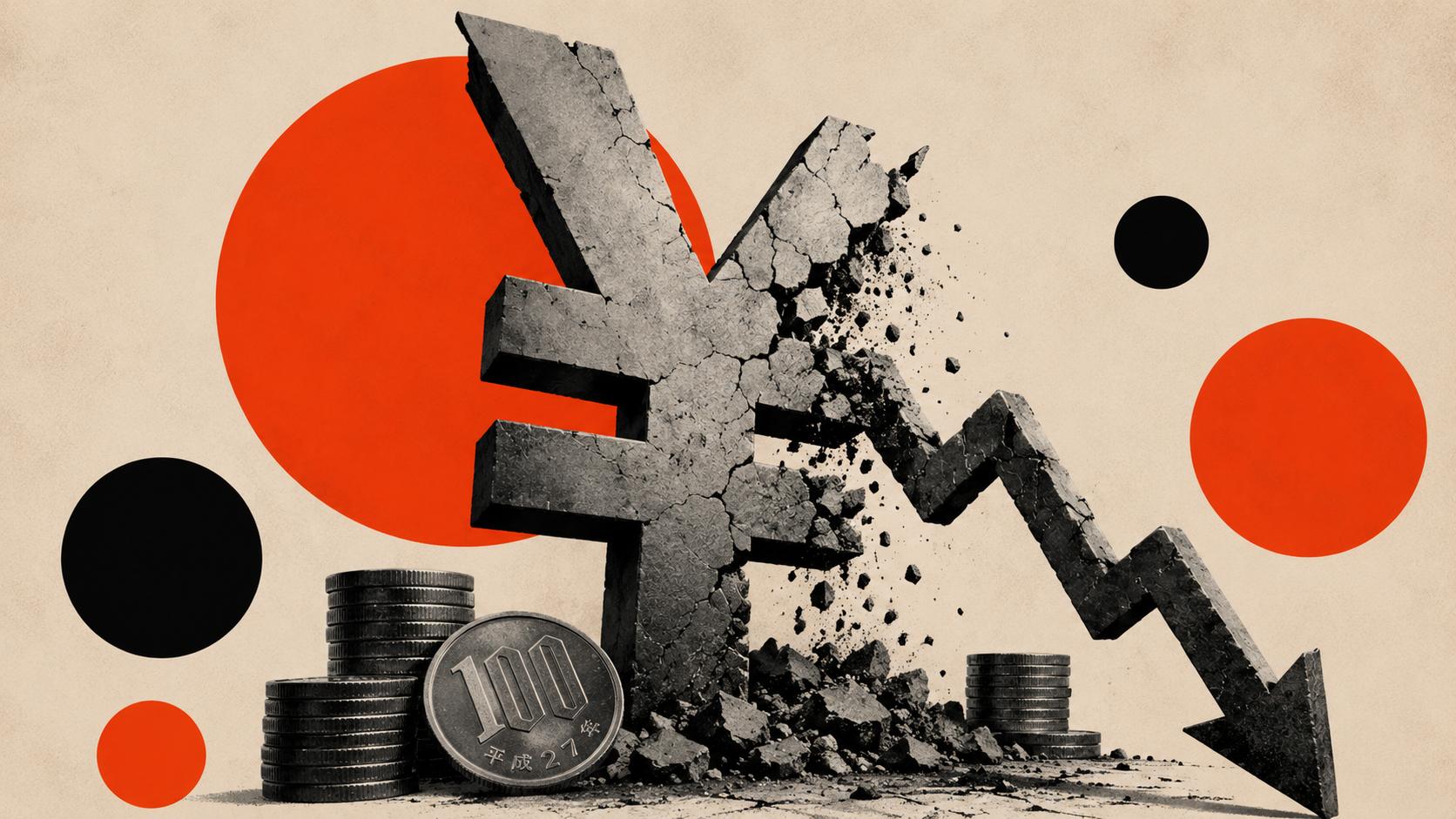
The main story today is the Japanese yen. It is sharply higher today. The move began early North America yesterday. No one claimed intervention and many, including ourselves, thought it may have been a rate check. An initial look at the BOJ’s balance sheet suggests that Japan likely did not intervene yesterday. The dollar trended lower through the European morning today, but the price action was smooth and not spikey as intervention often appears. The dollar’s weakness against the yen spilled over and dragged it lower against most the other major currencies.
Meanwhile, the Middle East hostilities continue and October WTI is at a new contract high near $93. However, pressure on bond yields appears limited today, with benchmark 10-year yields in Europe softer and the US 10-year Treasury yield little changed. Tomorrow sees the market sensitive US jobs report and ahead of it, short-term participants’ confidence appears to have been shaken.
Prices
G10
After being sold to almost $1.1565 in late in the Asia Pacific session yesterday, the euro rose to session highs in early North American trading amid a sharp bounce in the yen, which some suspected was intervention. It reached almost $1.1610. The broad dollar set back today has seen the euro reach $1.1615. Nearly 1.3 bln options at $1.1625 expire today, and the intraday momentum indicators are stretched. A smaller stack of about 920 mln euro options at $1.1600 also expire today.
The dollar sold off against the yen from around JPY159.70 to almost JPY158.20 relatively quickly in the North American morning. Some suspected intervention but we would not be surprised to learn it was a rate check, perhaps done at the US Treasury’s request. The dollar recovered to almost JPY159 by midday in NY. With slightly softer US rates, the market was denied fundamental cover to take the dollar much higher. Comments from BOJ Governor Ueda supported market expectations for a rate hike later this month, while a noted hawk on the central bank’s board (Takata) raised the possibility of a larger (than 25 bp) move. The dollar stalled early today near JPY159, and the decline has been steady to slightly below JPY156.20 in Europe. The price action itself does not look like intervention. It has been smooth. Bloomberg reports that a preliminary review of the BOJ’s balance sheet suggests it did not intervene yesterday. FT Alphaville estimates that the US Treasury may have sold around 500 mln euros in its intervention operation in July, considerably smaller than many thought. The key level now is JPY155, which was the low in the spring intervention and again more recently. The swap market took the “bait” and now has slightly more than a quarter point hike discounted. The swaps market has about 49 bp of tightening priced before the end of the year, up from 40 bp at the end of last week and about 22 bp before the intervention in late July.
Two weeks ago, sterling reached a six-month high near $1.3675. Yesterday, it reached a low near $1.3475, its lowest level since August 13. It bounced but stalled slightly below the session high recorded in the Asia Pacific session (~$1.3520). Sterling met retracement target of the rally since the June and July lows, but the momentum indicators are still falling, suggesting the move it now complete. It is trading quietly today in a little more than a quarter of a cent above $!.3480. A break of $1.3475 signals the next leg down that may extend into the $1.3400-$1.3445 area.
The Canadian dollar got a bigger lift from the Bank of Canada’s hawkish hold than the New Zealand dollar got on the RBNZ rate hike and signal that another one is likely before the end of the year. The Canadian dollar settled about 0.4% higher, while the New Zealand dollar lost about 0.7%. The greenback posted an outside day—after reaching its best level since August 13 (~CAD1.3940), it fell through Monday and Tuesday’s low and briefly traded below CAD1.3840. Still, it settled slightly inside Tuesday’s range. With yesterday’s losses, the US dollar nearly met the (50%) retracement of the gains scored in the wake of the breakdown of trade negotiations with the US. The next retracement (61.8%) is near CAD1.3810 has been met today. Nearby support is seen in the CAD1.3780 area.
Even after Australia reported slightly stronger than expected Q2 GDP yesterday, the Australian dollar continued to sell off. It reached almost $0.7120 in early in the North American session before it recovered to new session highs near $0.7175. It stalled in front of Tuesday’s high, slightly above $0.7180. It extended the gains marginally today to almost $0.7180. Last week’s high was almost $0.7210.
EM
The Mexican peso consolidated in quiet turnover yesterday. For the third time in four sessions, the greenback tested the 20-day moving average but could not establish a foothold above it. The 20-day moving average is near MXN17.0125 today, and the dollar’s high so far is almost MXN17.03. With a brief exception on Tuesday, the US dollar has largely remained within last Friday’s range (~MXN16.9440-MXN17.0645). The Brazilian real rose by almost 1%, and while it led the Latam currencies higher, it was unable to best the South Korean won’s gain (~1.05%), which was the top EM performer yesterday. The Bovespa rallied nearly 3% yesterday and extended its rally for the 11th consecutive session.
The Dollar was turned back from about CNH6.7265 against the offshore yuan and fell to a marginal five-day low near CNH6.7160 yesterday. It has mostly traded between CNH6.7160 and CNH6.7200 today. The multiyear low was recorded on August 25 slightly below CNH6.7130. For a little more than a week, the PBOC has been alternating daily between higher and lower dollar fixes. Yesterday’s fix was slightly higher and today’s was slightly lower but at a marginal new three-and-a-half-year low (CNY6.7807 vs. CNY6.7829 yesterday). The previous multiyear low was set on August 20 at CNY6.7808.
News that $136 bln flowed into India in the special initiative to attract deposits from overseas citizens was well above expectations lifted the Indian rupee today. This is seen building the central bank’s war chest for intervention. The rupee rose about 0.5% today, its biggest gain since June. The dollar gapped sharply lower today and fell to almost INR94.27. It settled near its high, INR94.4950. The gap extends to yesterday’s low (~INR94.8425).
Other markets
US equities did better than expected yesterday and this, arguably, helped stabilize Asia Paciifc and European equities today. The S&P 500 rose and closed the upside gap created by Tuesday’s low opening. The Nasdaq composite held below Tuesday’s high (~26261). The US index futures are narrowly mixed. The MSCI Asia Paciifc Index snapped six-day advance yesterday but stabilized today. Europe’s Stoxx 600 is fighting for its first gain of the week.
The US 10-year yield stabilized yesterday around 4.80% after having risen for the previous five sessions from slightly below 4.63% last Tuesday. It is hovering near 4.79% now. A smooth 30-year bond auction and a recovery of the yen helped push Japan’s 10-year yield five basis points lower, after poking above 3% yesterday. European yields are a little softer, though the 10-year Gilt is off three basis points.
Gold held a key retracement objective yesterday and recovered to settle higher on the day. Gold was initially sold a little through $4283. It reached almost $4400 in North America and nearly $4445 today. To lift the tone, the yellow metal needs to overcome the $4450 area. Silver overshot the (50%) retracement of last month’s rally, which is found around $63.85. It recovered to new session highs, a little above $65.50 before European markets closed. It has risen to about $66.25 today to test the 20-day moving average from below. The week’s high was on Monday around $67.50.
The war in the Middle East drags on. Iran is not making it easy for the US to have a face-saving exit, but at the same time, a blockade is recognized as an act of war. October WTI slipped below $80 a barrel seven days ago, and it reached almost $92.30 yesterday. It pulled back to around $89 in North America yesterday but recovered back above $91 later in the session. The gains have been extended to almost $92.60 today, a new high for the year for the contract.
Data
There is a slew of US data today. The most important is likely the new news in the ISM services index, which stood at 54.1 in July. The year’s high was before the war on Iran began at the end of February. It was at 56.1 in February, the highest since July 2022. The July trade deficit is expected to have widened, and this was already in the advance goods balance previously report. Productivity and unit labor costs are not measured directly but are derived from the GDP report. The services and composite PMI are final reading, and the preliminary estimates are usually close enough for market participants. Weekly job claims are overshadowed by tomorrow’s non-farm payroll report.
Canada reports Q2 productivity, and more importantly, July goods trade balance and the services and composite PMIs. In H1 26, Canada reported a modest trade surplus of about C$4.2 bln. In H1 25, the deficit was nearly C$17.8 bln. In July, the services and composite PMI were below the 50 boom/bust level.
The eurozone final August services and composite PMI stand at 51.6 (flash was 51.7). The composite PMI is at 52.0 (flash was 52.1 and 52.0 in July). Separately, the year-over-year increase in producer prices accelerated to 5.8% from 4.6%, a bit more than expected. The multiyear high was recorded in May at 5.9%.
The UK’s final August services PMI was slightly lower than the preliminary reading (52.5 vs.52.8), but the composite PMI confirmed the preliminary estimates of 52.5.
Australia’s final August PMI stronger than the preliminary estimated. The services PMI rose to 53.2 from 52.9, but still down from 53.6 in July. The composite stands at 52.7 (52.5 flash estimate and 53.2 in July. Unlike Canada, which we noted has swung from a goods deficit to a surplus this year, Australia’s goods surplus has been shaved. It was A$31.7 bln in the first seven months of 2025 and a little less than A$9 bln in Jan-July 2026.
Japan’s PMI typically does not draw much of a market response and today’s final readings are in line with the preliminary estimates. The services PMI is at 52.5 (vs. 52.3 preliminary estimate) and composite stands at 53.5 (vs.53.4 flash estimate). Japanese investors were net sellers of foreign bonds last week, for the second consecutive week, which practically offset the purchases made in the first two weeks of August, following the late July intervention. The Ministry of Finance weekly report showed that Japanese investors bought small amount of foreign equities last week.
China’s RatingDog manufacturing PMI surprised on the upside earlier this week and today’s reports also were stronger than expected. The services PMI edged up to 51.4 from 50.4. The composite rose to 52.1 from 50.8. It is the first increase in three months.
Author

Marc Chandler
Marc to Market
Experience Marc Chandler's first job out of school was with a newswire and he covered currency futures and Eurodollar and Tbill futures.

















