Our latest views on the major central banks
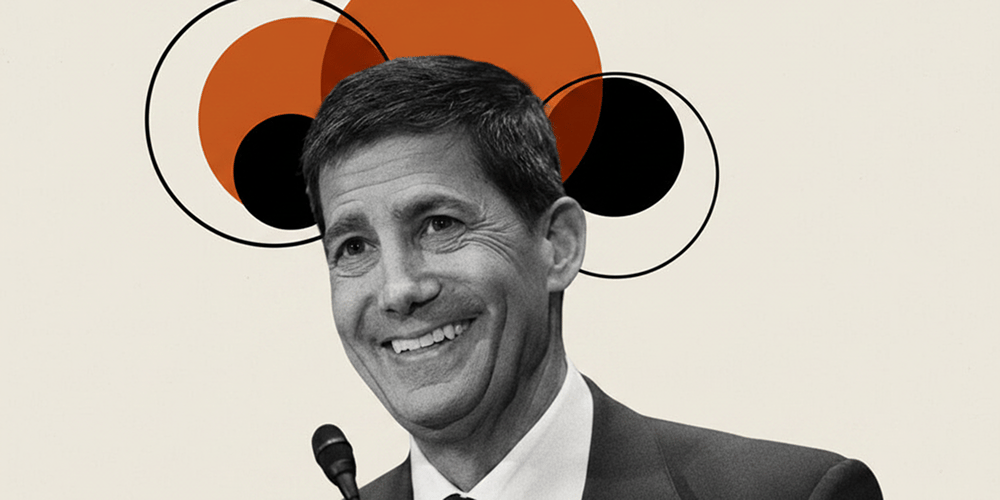
Our take on what could be next for the Federal Reserve, the European Central Bank, the Bank of England and the Bank of Japan over the coming months.
Federal Reserve
We had been in the camp that felt the Fed could wait it out and inflation would return to 2% within the next 12 months. However, Chair Kevin Warsh’s Jackson Hole speech suggested he is minded to take action, given inflation has run too hot for too long in an environment of full employment and where he suggests financial conditions aren’t especially tight. We don’t think anyone on the FOMC is hostile to the idea of a rate hike and, as such, we are now in an environment where it seems as though the Fed’s position is to hike rates, unless the data justifies a pause, versus the previous position of holding rates steady unless the data justifies a hike. This suggests a 16 September rate hike is now the most probable outcome. Given our macro view of tepid job creation, on-trend growth and cooling inflation, we see this as a risk management move rather than the start of a series of hikes.
European Central Bank
The stage looks set for another rate hike at the ECB's September meeting. Not only because some ECB members actually advocated for a rate hike at the July meeting, but since the July meeting, the eurozone economy has shown an almost unexpected resilience to the war in the Middle East. This is partly due to good luck and to Asian competitors being hit harder by the closure of the Strait of Hormuz and losing orders to European competitors, but also to long-announced fiscal stimulus.
At the same time, headline inflation has continued to edge higher, even if other inflation measures like core and services currently provide no reason to panic. With oil prices remaining elevated and the risk of a fresh gas price shock increasing, most ECB policymakers are likely to see the case for another rate hike.
Even if the ECB doesn’t like the term, the second rate hike this year would also fall into the category of ‘insurance rate hike’, or maybe more to the central bank's liking: a rate hike to strengthen its credibility and to preempt any possible indirect or even second-round effects from the current energy price shock.
Bank of England
We think the bar is still relatively high for a Bank of England rate hike. Markets are pricing three by next summer. While three of the nine-strong committee voted for a hike in July, the remaining six look fairly embedded in the ‘on hold’ camp. It was telling that Claire Lombardelli, the most obvious candidate to join that hawkish group, said that it wasn’t a difficult decision to vote for no change at the last meeting. Officials have previously drawn a line in the sand at 4% inflation, which the Bank has argued is historically more likely to spark ‘second round effects’. Even after the latest rise in natural gas prices, we’re forecasting inflation to briefly peak at 3.5% next winter. That’s below the peak we saw in 2022, a time when the Bank was still actively cutting rates. Unless the October budget sees a material loosening in fiscal policy, we expect two rate cuts in 2027.
Bank of Japan
It looks like the Bank of Japan will hike rates by 25bp in September, taking the policy rate to 1.25%. Most at the BoJ see the neutral policy rate close to 2.00% and see inflation sustainably above 2% over their policy horizon. The big question for the market is whether September’s hike represents an acceleration of the tightening cycle or merely some quid pro quo for the US Treasury’s support for the yen in late July. Our base case assumes two follow-up hikes in January and April next year, with the BoJ preferring to front-load tightening before April’s large consumption tax kicks in. Thereafter, the optics of hiking as headline inflation falls become more difficult. 75bp of tightening over the next six months is far from a given, however. The government remains fully committed to its pro-growth agenda and will be wary of too much tightening too soon.
Author

ING Global Economics Team
ING Economic and Financial Analysis
From Trump to trade, FX to Brexit, ING’s global economists have it covered. Go to ING.com/THINK to stay a step ahead.