The UK economy slows, but the BoE may be able to pause on rate hikes
- Global economy remains resilient in face of challenges.
- Inflation concerns picked up in PMI data.
- OECD calls on BOE to resist rate hikes.
- Oil price breaks longest losing streak in a year.
- Signs of geopolitical pressures easing.
- Stocks pause, as we wait for next driver of next leg in rally.
There are further signs that the global economy remains resilient to the latest energy price spike. The European and UK PMI data for September has been released, and the news is optimistic. Eurozone and UK data showed continued expansion in the private sector this month, even though the UK data slowed compared to the readings in August.
Price pressures remain
The composite PMI for the UK was 51.7, down from 52.5 in August, in Europe, the composite PMI rose to 53.1 from 52. This was driven by strong gains for French and German service sector activity. However, input price inflation accelerated sharply, which is to be expected. It rose back to June levels and higher input cost pressures were noted in both the manufacturing and the service sectors this month.
Sustained fuel, labour and raw materials prices are forcing private sector businesses to increase their costs for consumers, which may worry some Bank of England members who are currently sitting on the fence about a rate hike at the October meeting. This data would typically support a hawkish bias from the BOE in the coming weeks, however, the OECD has a different view on what the BOE should do next.
OECD tells BoE to keep rate hikes on the back burner
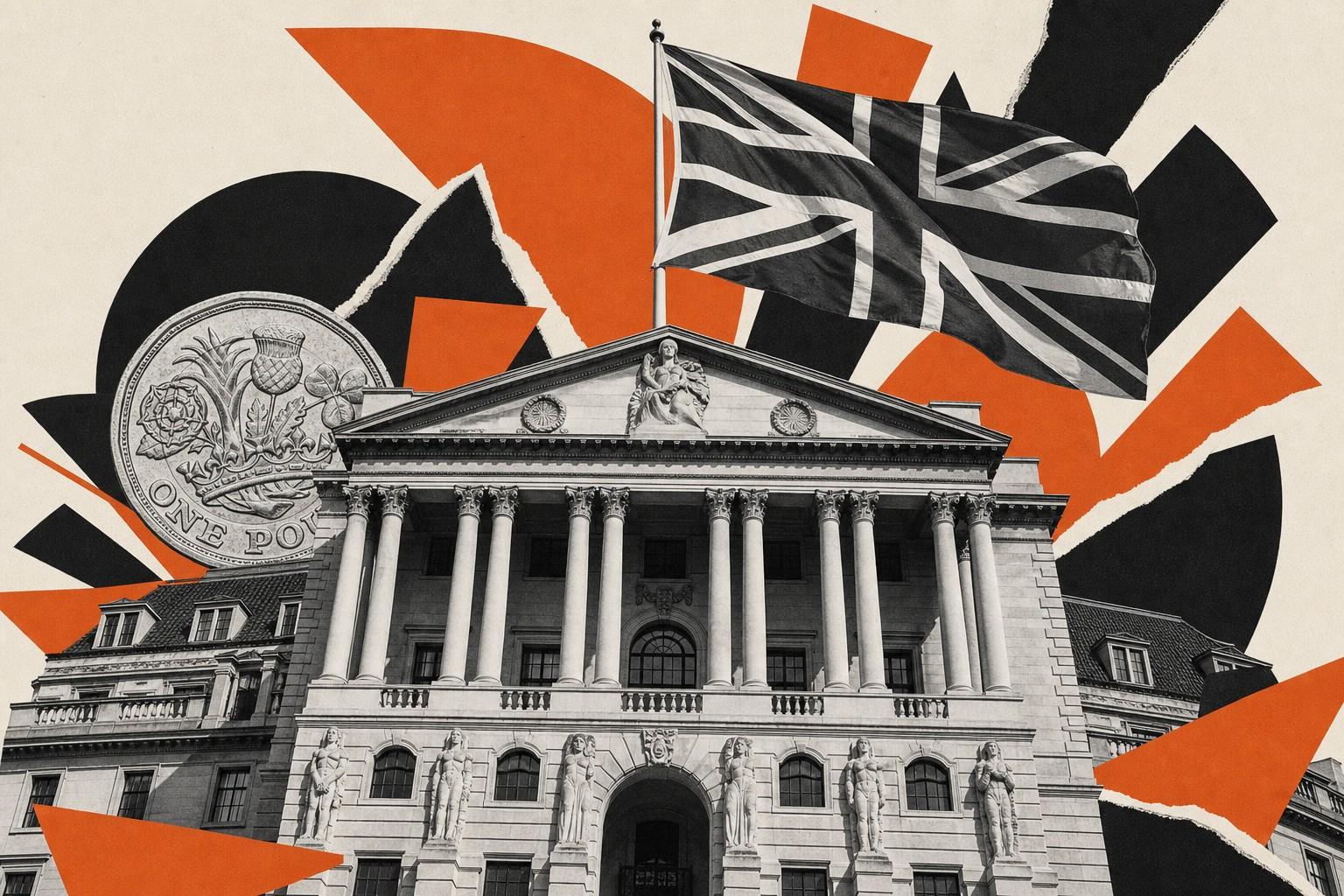
Interestingly, although this data supports a BOE that is on the cusp of raising interest rates, the OECD, has said that the BOE can avoid raising interest rates because policy is already tight enough. They believe that the BOE can keep interest rates steady at 3.75% well into next year, and they do not have to follow their central bank peers into tighter monetary policy. This is helping UK bonds to recover today, and yields are falling along the curve, this is weighing on sterling, and GBP/USD is lower by 0.3% today, as the dollar makes a comeback.
The OECD’s view on the BOE is one of the most upbeat assessments of the UK economy as we head into Budget season for the UK, which is set to be ‘challenging’, according to Andy Burnham. However, while the UK government blames external factors for its current fiscal woes, the OECD’s message suggests that it is not all bad, and there are other signs that inflation pressures may ease off in the coming months.
Oil price stabilises below $100 per barrel
The oil price is stabilising after suffering its worst losing streak in a year, falling for 6 straight sessions and dropping below $100 per barrel. Brent crude is higher by 0.5% on Wednesday, and has been volatile so far today, eroding earlier 1% losses, but is still lower by more than 4% this week. Easing geopolitical tensions are aiding the oil price decline, and this is boosting overall market sentiment.
Easing geopolitical fears
Bond yields are lower once more this morning as investors digest news that US and Iranian officials had a ‘very productive’ meeting, even though the President talked tough about the war in a speech to the UN. He also said that talks would be ongoing. This is likely to be a long process, and we doubt a peace deal or a ceasefire will be forthcoming. Iran has already responded to Trump’s claims and has listed their demands to the US via Qatari intermediaries. These include an end to the fighting, lifting the US blockade of the Strait of Hormuz, and unfreezing Tehran’s assets.
President Trump unveiled Operation Economic Outcast against Iran only a month ago, so the latter point may be difficult to achieve. Even after these latest talks, we are 6 months into this war and the two sides still do not appear ready to bring it to an end.
What next for stocks
As the oil price stabilises, this is limiting the upside for stocks. Nasdaq futures are pointing to a slightly lower open later today, while the S&P 500 is basically flat. European indices are also giving back earlier gains, as investors look to new drivers for the next leg of the US tech rally.
Ultimately, geopolitics will remain centre stage for the foreseeable, as the end of the war in the Middle East is necessary to pave the way for lower inflation and brighten the global growth outlook.
Author

Kathleen Brooks
XTB UK
Kathleen has nearly 15 years’ experience working with some of the leading retail trading and investment companies in the City of London.