|

The subtle push for price level targeting continues

  • The Federal Reserve’s persistent undershooting of its inflation target sparked comments about a move to price level target at the past two FOMC meetings.
  • In our view, introducing a price level target would help the Federal Reserve return inflation to 2%, but it would face some operational hurdles.
  • At the current stage we put 15% probability of the Federal Reserve adopting a price level target in the coming years and in 2019 at the earliest.
  • The introduction of a price level target would have a negative impact on the USD.
  • Momentum for a shift to price level targeting is building The Federal Reserve continues to struggle to meet its 2% inflation target, which it has undershot since the target was formally introduced in 2012.
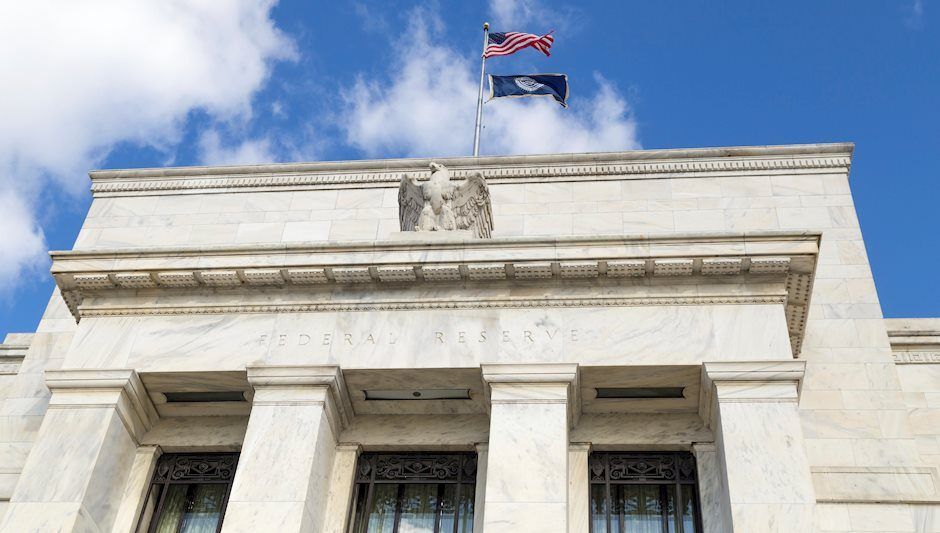
In the Minutes from the December FOMC meeting the idea of introducing a price level target to solve this issue was mentioned again (see quote from Minutes below). It was first mentioned in the November FOMC Minutes and former Federal Reserve chairman Ben Bernanke also discussed it last autumn (see for instance his blog here).

‘Due to the persistent shortfall of inflation from the Committee's 2 percent objective, or the risk that monetary policy could again become constrained by the zero lower bound, a few participants suggested that further study of potential alternative frameworks for the conduct of monetary policy such as price-level targeting or nominal GDP targeting could be useful.’

Download the full report

Author

Danske Research Team

Danske Research Team

Danske Bank A/S

Research is part of Danske Bank Markets and operate as Danske Bank's research department. The department monitors financial markets and economic trends of relevance to Danske Bank Markets and its clients.


More from Danske Research Team
Share:

Editor's Picks

EUR/USD hits two-day highs near 1.1820

EUR/USD picks up pace and reaches two-day tops around 1.1820 at the end of the week. The pair’s move higher comes on the back of renewed weakness in the US Dollar amid growing talk that the Fed could deliver an interest rate cut as early as March. On the docket, the flash US Consumer Sentiment improves to 57.3 in February.

GBP/USD reclaims 1.3600 and above

GBP/USD reverses two straight days of losses, surpassing the key 1.3600 yardstick on Friday. Cable’s rebound comes as the Greenback slips away from two-week highs in response to some profit-taking mood and speculation of Fed rate cuts. In addition, hawkish comments from the BoE’s Pill are also collaborating with the quid’s improvement.

Gold climbs further, focus is back to 45,000

Gold regains upside traction and surpasses the $4,900 mark per troy ounce at the end of the week, shifting its attention to the critical $5,000 region. The move reflects a shift in risk sentiment, driving flows back towards traditional safe haven assets and supporting the yellow metal.

Crypto Today: Bitcoin, Ethereum, XRP rebound amid risk-off, $2.6 billion liquidation wave

Bitcoin edges up above $65,000 at the time of writing on Friday, as dust from the recent macro-triggered sell-off settles. The leading altcoin, Ethereum, hovers above $1,900, but resistance at $2,000 caps the upside. Meanwhile, Ripple has recorded the largest intraday jump among the three assets, up over 10% to $1.35.

Three scenarios for Japanese Yen ahead of snap election

The latest polls point to a dominant win for the ruling bloc at the upcoming Japanese snap election. The larger Sanae Takaichi’s mandate, the more investors fear faster implementation of tax cuts and spending plans. 

XRP rally extends as modest ETF inflows support recovery

Ripple is accelerating its recovery, trading above $1.36 at the time of writing on Friday, as investors adjust their positions following a turbulent week in the broader crypto market. The remittance token is up over 21% from its intraday low of $1.12.














