The RBA hikes for a fifth time this year
Boom crash (opera)
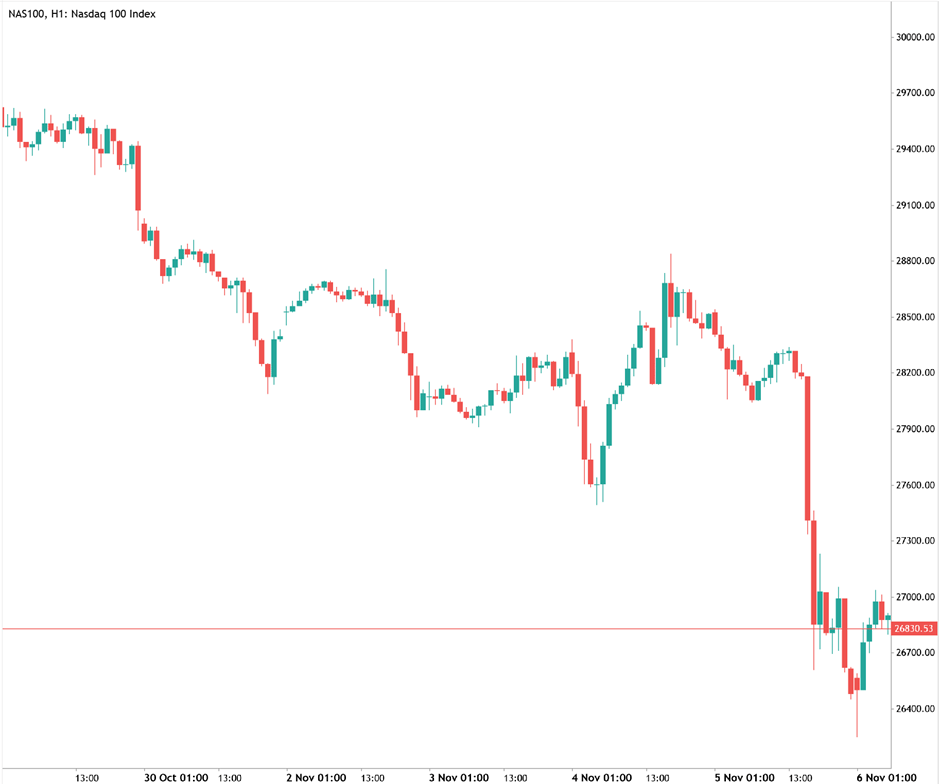
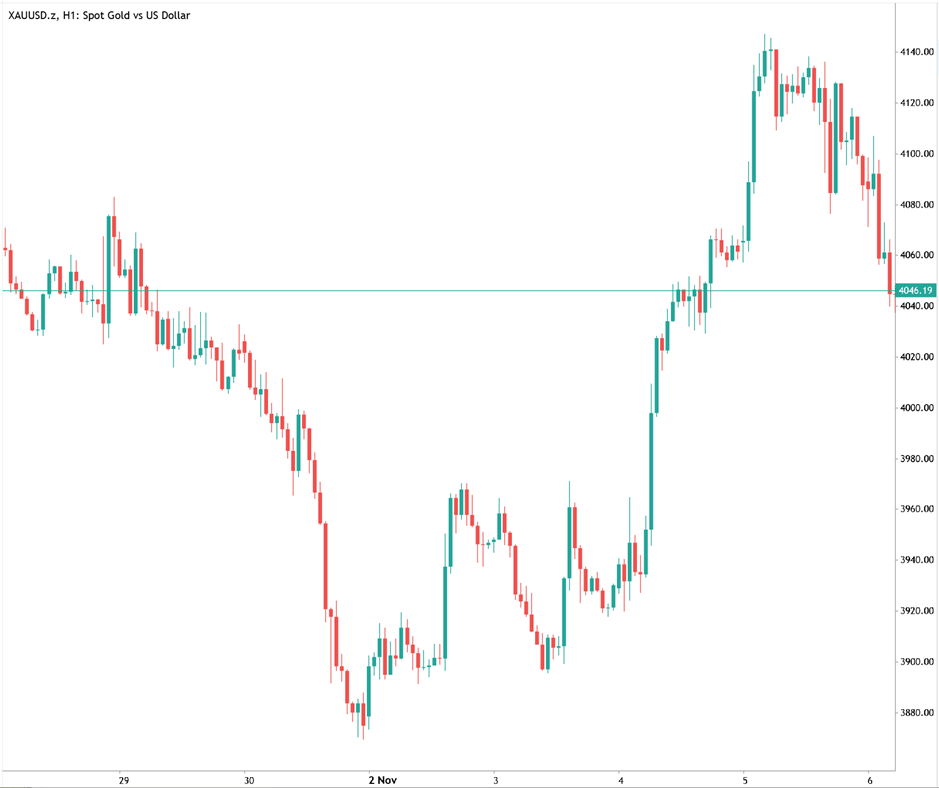
$2.3 trillion in market value erased from the Nasdaq in a single session, the largest destruction ever. Hopes for market stabilisation following the midterms short-lived, as a renewed dip swiftly flips into a widespread rout, turning screens into a sea of red. Nikkei enters technical bear market, down 20% from its peak in June this year. Nvidia down 9% in a session, erasing the year's gains. Musk's companies hit particularly hard, following his very public siding with and backing of the Republicans, TSLA closing down 11% on the day. Rates hiked by the Bank of England for the first time in three years, plus a warning of more pain to come for mortgage holders in the UK. The RBA hikes for a fifth time this year, bringing rates to their highest level since 2008 and flagging that inflation is not likely to return to their target range for another two years. Treasury yields continue to retreat as investors turn increasingly to traditional safe havens. Metals rallying hard midweek, silver (XAGUSD) +5% in one session. Energy markets falling on hopes the Democrats now have the power to find a path out of Iran, in turn going some way to ease inflationary worries. Dollar index down to a one-month low midweek, as the Yen rallies. Cryptos sliding with risk off moves, BTCUSD now testing key technical support level.
Blunami wipe-out
The sound of a wave crashing comes primarily from the air bubbles popping at its leading edge. Well... this week brought a so-called "blunami" wave in the US, shortly followed by what could now be fairly called the popping of a handful of bubbles in the sector at the cutting edge of tech. While the overall result of the midterms was never really in doubt, the scale of the shift was a shock. As a result, election day itself brought moves reminiscent of Trump's shock win back in 2016. In short a brief panic followed by a V-shaped recovery and indeed relief rally. The relief was short-lived however. While reporters were busy labelling Thursday the worst session since the tariff wars of April 2025, it quickly became the worst session since the Covid-related panic of March 2020. And all it really took was the "hint of a slowdown in the AI build-out narrative", according to Michael Burry. Fragile forecasts are hurriedly being reassessed, as the environment they rely upon has been greatly altered via the polling booths. Does the shift in administrative power provide a less encouraging backdrop for the extraordinarily outsized expenditures in the AI boom.
Author

Scott Redford
Fintrix Markets
Through his 14 years in the industry, Scott has managed risk for a number of the world's biggest brokers, including IG and Pepperstone.