Tariffs, Rate Cuts, and Devaluation Whispers Set Up Gold & Silver

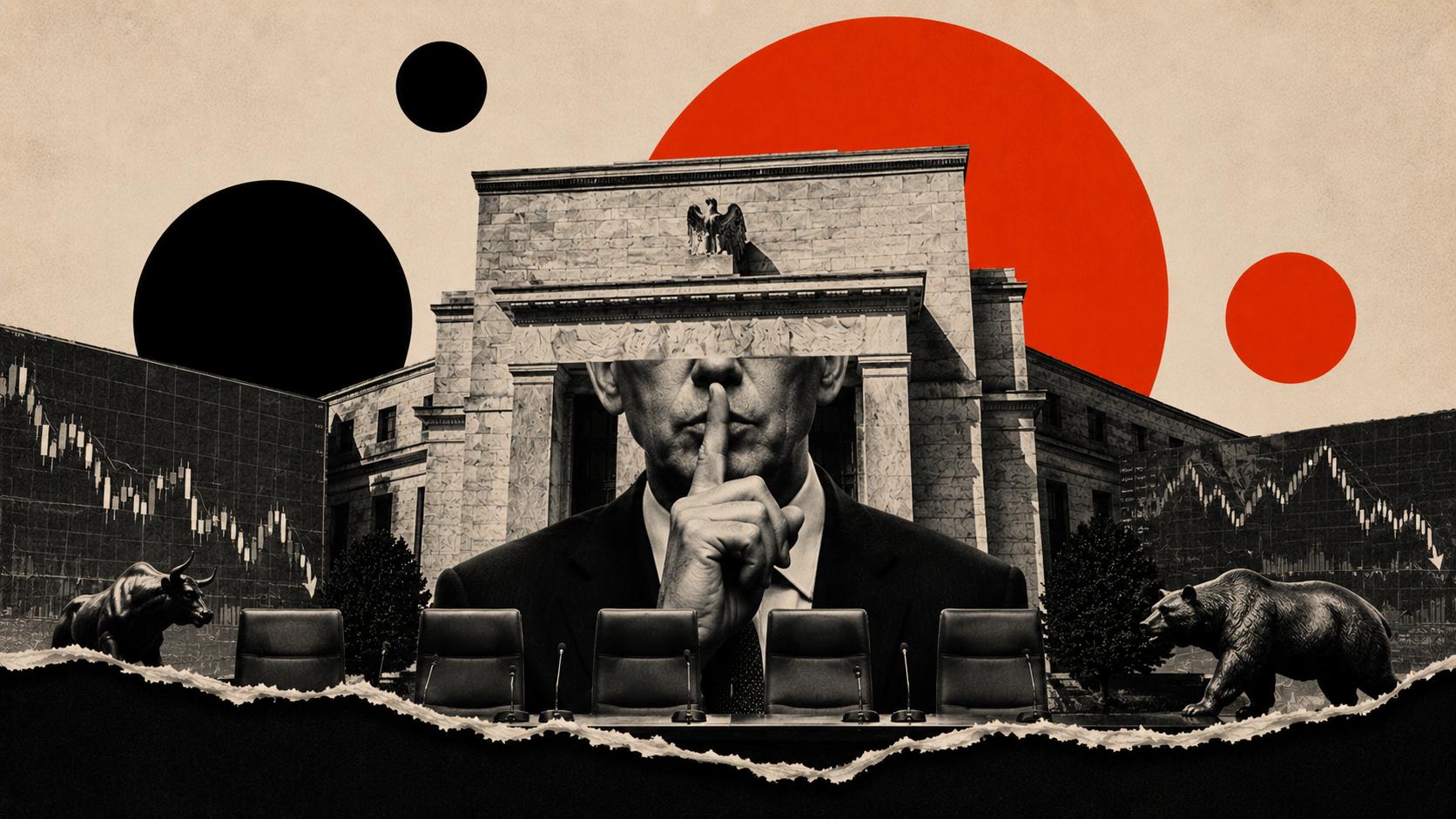
Well, after months of presidential complaining, tweeting, and pressuring, Donald Trump finally got a rate cut from the Fed.
A lower interest rate was supposed to stimulate the stock market and make the dollar cheaper versus the currencies of exporting countries -- thereby making U.S. products more competitive according to Trumponomics.
Instead, stocks fell, and the U.S. Dollar Index broke out to a two-year high following the Federal Reserve’s policy move on Wednesday.
Edward Lawrence Fox Business: And the Federal Reserve cuts interest rates a quarter of a percentage point, the interest rate range now at 2% to 2.25%. The Federal Reserve also announced that it would stop the roll off of its balance sheet two months early, starting on August 1st. Now the distinction there is that Treasuries will still be reinvested as they're matured and that leaves the balance sheet at about $4.2 trillion.
Eamon Javers - CNBC: The President is not pleased with Jay Powell. Here's the tweet from the President just a few seconds ago saying, "What the market wanted to hear from Jay Powell and the Federal Reserve was that this was the beginning of a lengthy and aggressive rate cutting cycle, which would keep pace with China, the European Union, and other countries around the world. As usual. Powell let us down."
Sara Eisen - CNBC: I mean, I think the question here is can the President actually do anything about it? And I never really have a clear answer on what the legality is.
Eamon Javers - CNBC: The President appointed Jay Powell, right? This is his guy. But he's frustrated that he's not going far and fast enough. And the question is a gray area of whether the President could fire a Fed chair.
It appears unlikely at this point that Trump will attempt to remove Powell from his position at the Fed. The bipartisan political backlash that would be sure to follow wouldn’t do anything to help his broader policy agenda on Capitol Hill.
Trump still hopes to reshape the Fed by getting his prospective nominees to the Fed Board of Governors confirmed. The most difficult one will be Judy Shelton, who has often advocated for a gold standard but is currently calling for more aggressive rate cuts by the Fed. She views easier monetary policy as a way to put the U.S. on a level playing field with the rest of the world as Europe, China, and Japan try to devalue their way to prosperity.
One way the Trump administration could pursue a currency devaluation without any help from the Fed is through direct intervention in foreign exchange markets. Believe it or not, the Treasury Department has a slush fund set up specifically for this purpose. It’s called the Exchange Stabilization Fund.
It need not check with the Federal Reserve or get permission from Congress in order to act. The Exchange Stabilization Fund has nearly $100 billion at its disposal to manipulate currency markets. And it’s all off budget. It reports to no one except the Treasury Secretary and President of the United States.
White House officials have been quietly debating whether to deploy the Treasury Department’s resources toward lowering the dollar’s exchange rate. Treasury Secretary Steven Mnuchin reportedly opposes the idea. He has thus far persuaded President Trump to avoid direct foreign exchange market interventions.
That doesn’t necessarily mean he will continue to stand by and watch other currencies depreciate against the dollar, thwarting his trade policy objectives.
On Thursday, President Trump announced his administration will impose additional tariffs on China. In response, the general stock market turned lower by the end of the day. So did the U.S. dollar.
The best performing asset class on the day ended up being gold mining stocks. Major mining indexes gained close to 5%. In the days since, gold and silver have gyrated around with no clear direction.
The mixed performance in metals markets is a largely a reflection of concerns about China and the potential for tariffs to crimp global growth. Industrial metals and energy commodities got hit hard on Thursday, while gold and gold miners benefited from safe-haven buying.
If Trump strikes a deal with China to avert new tariffs, economically sensitive commodities could rebound sharply. The bigger question is whether the dollar has put in a top. A lower-trending U.S. currency should ultimately help lift all hard assets.
Gold and silver have been performing quite well this summer in spite of the dollar rally. In fact, the metals have been rallying in terms of all major fiat currencies.
If the value of the Federal Reserve Note heads lower into the fall at the same time as seasonal strength in demand for jewelry and coins kicks in, precious metals investors will have sound reasons to get ready for some big gains ahead.
To receive free commentary and analysis on the gold and silver markets, click here to be added to the Money Metals news service.
Author

Mike Gleason
Money Metals Exchange
Mike Gleason is a Director with Money Metals Exchange, a national precious metals dealer with over 500,000 customers.