Tariff tempest ahead — Dollar dips as deadline dangers mount
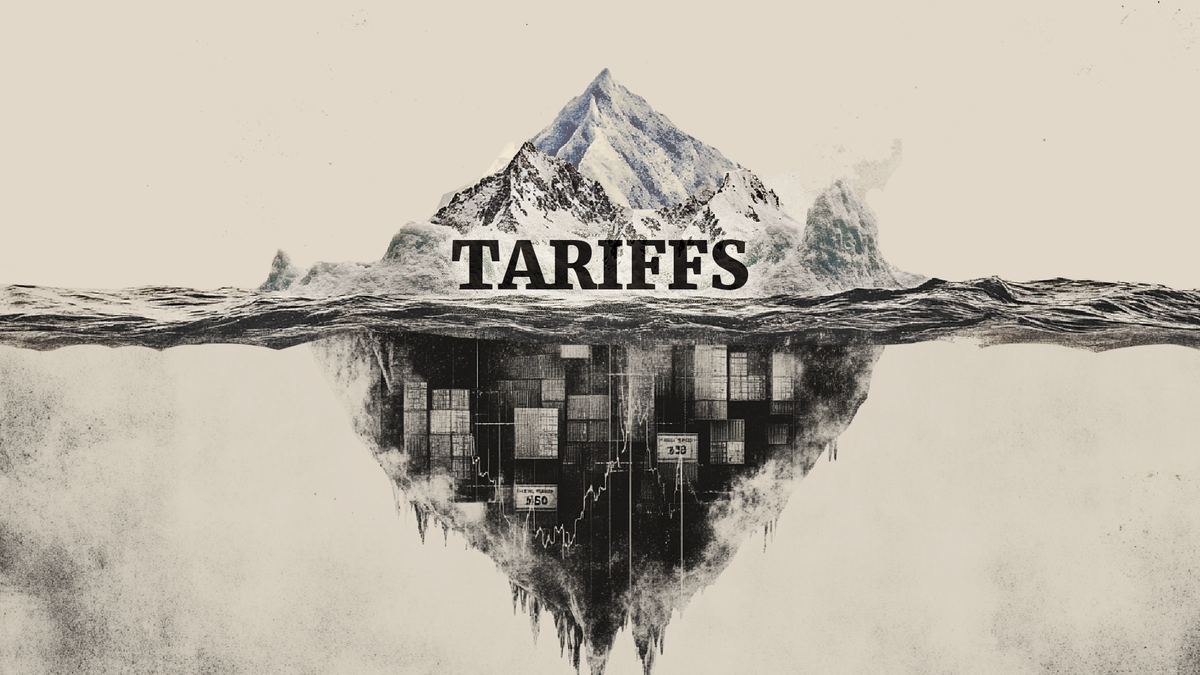

Markets have been swaggering through the tariff thicket like they’ve seen this movie before—chest out, chin up, calling every headline a bluff. But that bravado may be running on fumes. With the August 1 tariff deadline looming and no meaningful trade deals inked, the stage is set for a rude awakening. The market’s collective shrug might soon give way to a flinch—or worse, a stampede.
The dollar has started to wobble, not from panic, but from a subtle change in the wind. Treasury yields are drifting lower again, but not in a way that signals a crisis—more like a quiet recalibration as traders consider the real cost of a tariff war that might not just affect China this time, but also stateside. EUR/USD’s recent strength isn’t so much a euro love story as it is a dollar divorce; safe-haven flows have lost their North Star, and instead of fleeing to the greenback, capital is dipping a toe in European waters—tentatively, but tellingly.
But the euro’s resilience is hardly ironclad. CFTC data shows positioning creeping up, and while that’s not yet screaming "overcrowded," there’s a danger here: the EU may be next in Trump’s firing line. With some European capitals pushing back against U.S. demands, the risk of a tit-for-tat spiral is growing. If Europe ends up collateral damage while others—Malaysia, Vietnam, India—cut side deals, the euro could quickly go from safe harbour to sitting duck.
Over in Yenland, Monday’s rally looked like a classic short (JPY) squeeze wrapped in a thin veil of political relief. Prime Minister Ishiba may have bought himself a few days of continuity, but his grip on power is slipperier than a bar of soap in a hot spring. With LDP grandees sharpening their knives and a September reshuffle on the calendar, the idea that Japan now offers “stability” is about as reassuring as a sushi chef with a blindfold.
That said, Japan’s bond market is getting twitchy. The 30-year JGB yield is quietly creeping up—not because of imminent stimulus, but because of what might come if Ishiba falls and a more populist hand takes the wheel. The Ministry of Finance is still talking tough on fiscal discipline, but everyone knows that talk is cheap—and so are political promises when polling tanks.
In Washington, trade negotiators are running the clock, perhaps hoping the market doesn’t notice. But the silence from USTR after backchannel talks with Japan’s Lutnick-led delegation says plenty. If there were a breakthrough, we’d know. Instead, we’re left parsing tea leaves and leaks—never a comforting pastime when tariffs are involved.
So what happens next? FX markets are nearing an inflection point. The dollar may still have a comeback story to tell—especially if the Fed doubles down on its hawkish stance—but any upside could be capped by tariff trauma. The DXY is trading like a boxer with a glass jaw: still in the ring, but taking hits more easily.
As for EUR/USD, 1.1725-50 might prove more of a ceiling than a launchpad. If the trade war widens to include Brussels, it won’t be a matter of dollar weakness helping the euro—it’ll be mutual injury. And in that kind of environment, gold will shine more attractively than either side of the FX ledger.
Tariffs are back on the tape, and this time they’re not just background noise. They’re front and center, with real teeth and real consequences. If August 1 lands without a deal, the market’s cocky swagger could swiftly turn into a scramble—out of risk, out of dollar longs, and possibly out of patience.
The beach was calm, but the tide is shifting. Traders would do well to check for jellyfish before diving back in.
Author
Stephen Innes
SPI Asset Management
With more than 25 years of experience, Stephen has a deep-seated knowledge of G10 and Asian currency markets as well as precious metal and oil markets.

















