Tariff earthquake: Washington set to slam the door on India at 50%
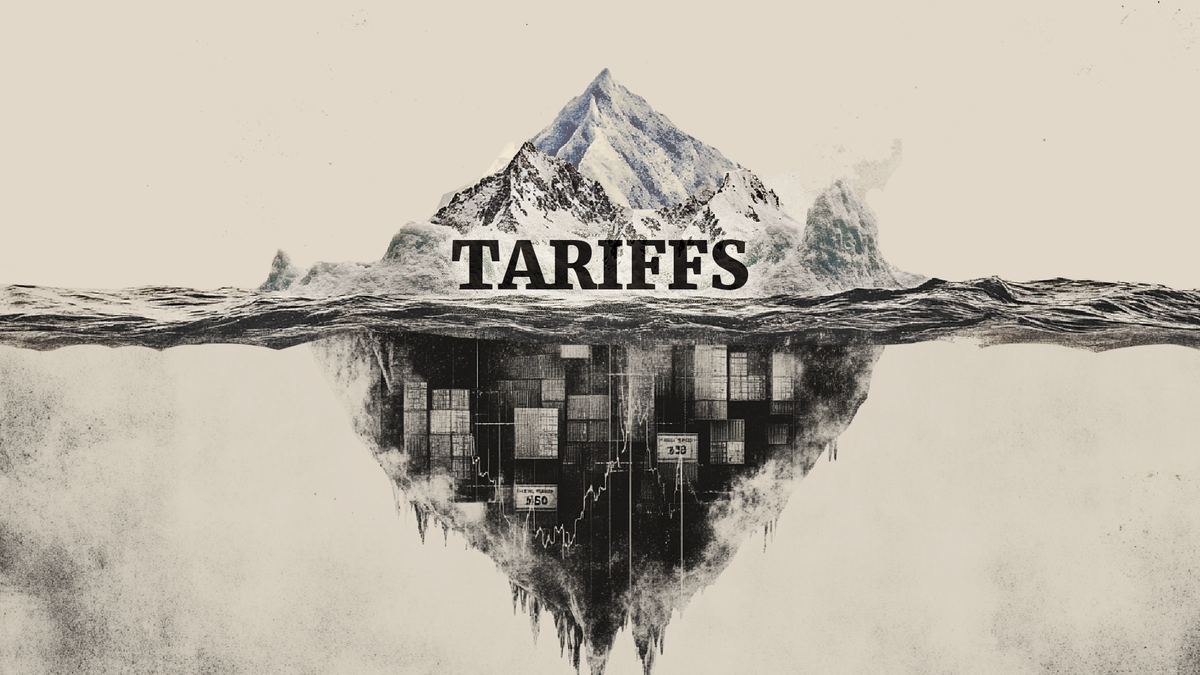

The 50 % lever
The U.S. is about to pull the tariff lever to its maximum setting on India, jacking duties on selected exports to 50%, the highest wall Washington has built against any Asian partner. This isn’t just another skirmish in Trump’s tariff wars; it’s a frontal collision with New Delhi at a time when India thought it was cementing its role as Washington’s counterweight to Beijing.
For traders, this is more than just noise — it’s a tectonic shove that realigns trade flows. India’s labor-intensive exports, the stitching and stitching together of supply chains, now face a brick wall in their largest market. That’s not just a tariff, it’s an eviction notice from a house they’ve lived in for decades. The blow risks idling factories across India’s export hubs, with unemployment the inevitable spillover. And once those orders migrate to Vietnam or Mexico, don’t expect them to boomerang back. Global supply chains are like rivers — once they carve a new channel, the old bed dries out.
But here’s the paradox: while Washington swings the tariff hammer to punish India for buying cheap Russian barrels, the global oil market could end up feeling the bruises too. India absorbs nearly 2 million barrels a day of Russian crude. Strip that away suddenly and crude prices wouldn’t just ripple — they’d geyser higher, right back into U.S. consumers’ gas tanks. It’s the energy market’s boomerang effect: squeeze one end of the balloon and it bulges in your own backyard. Trump may be betting that India will trim purchases quietly, but oil has a way of forcing politicians into checkmate.
New Delhi, for its part, isn’t blinking. Modi’s government insists that Russian oil isn’t about geopolitics, it’s about economics — cheap barrels that keep the lights on and factories humming. India is leaning harder into BRICS ties, reopening channels with Beijing and doubling down on Moscow. The deeper the U.S. digs its tariff trench, the more India drifts toward a camp Washington once hoped to peel it away from.
Markets are already marking the shift. The rupee has slumped to the bottom of Asia’s FX heap, sagging under foreign outflows, and equities have shed billions in capital as global investors wonder whether India’s reform drive will be derailed. Yes, India’s growth is still largely powered by domestic demand, and Apple’s factories and pharma exports are conveniently spared from the tariff axe. But the narrative has changed: India is no longer the teacher’s pet in Washington’s trade class; it’s the kid sent to detention.
The bottom line: this isn’t a one-day tariff shock, it’s the start of a structural reroute in trade politics and energy flows. For traders, the move adds another unpredictable spin to a wheel already rattling from Ukraine, Fed cuts, and China’s slowdown. Watch crude spreads, watch the rupee, and watch how fast supply chains re-wire. When tariffs rise to 50%, it’s not protectionism — it’s economic divorce proceedings.
Author
Stephen Innes
SPI Asset Management
With more than 25 years of experience, Stephen has a deep-seated knowledge of G10 and Asian currency markets as well as precious metal and oil markets.